
PlayStation 6 and Xbox Project Helix Could Cost $1000

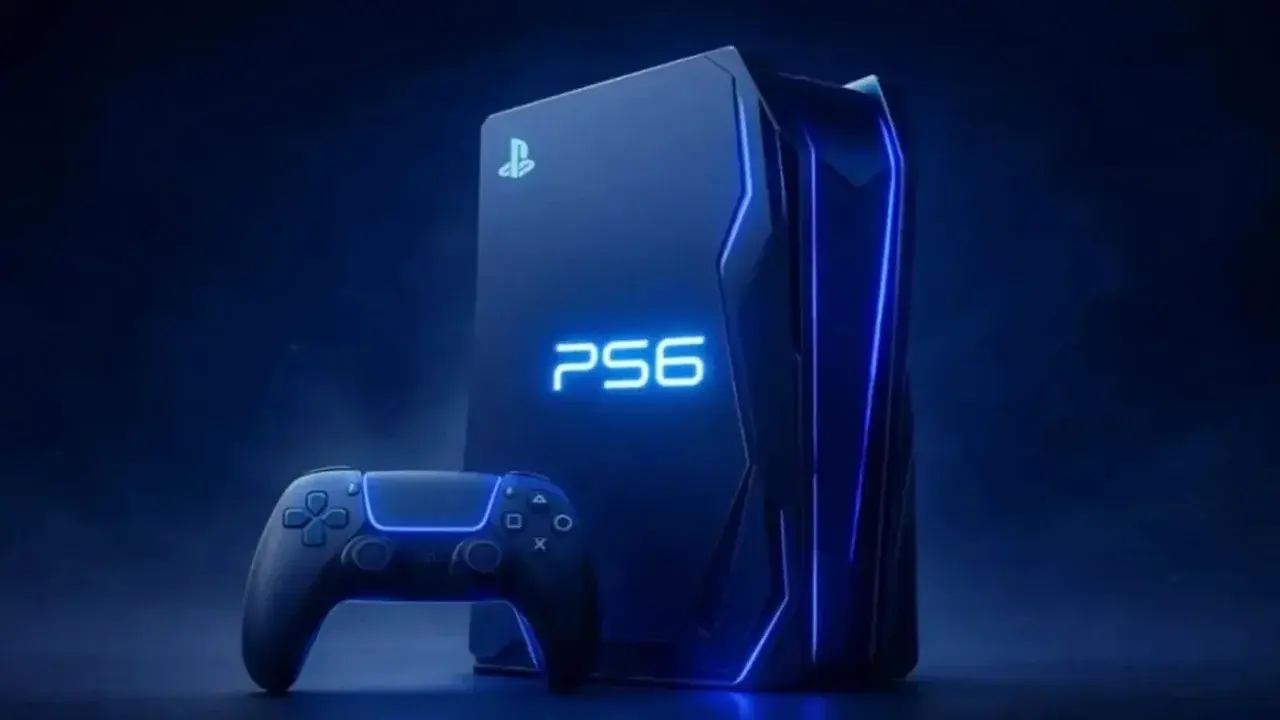
Industry experts are raising alarms as anticipation builds for the release of Sony’s PlayStation 6 and Microsoft’s Xbox Project Helix, currently expected to arrive between late 2027 and early 2028. According to recent reports from Ampere Analysis, the rising costs of advanced components may force both tech giants to set a retail price of $1000 or more for their next-generation consoles. This significant price hike threatens to reshape the gaming landscape, with analysts warning that such a high barrier to entry could reduce market adoption rates by as much as 38 percent, potentially stalling the growth of the entire gaming industry.
- Market analysis suggests that a $1000 launch price could decrease new console sales by 38 percent.
- Hardware cost increases may force manufacturers to prioritize subscription-based revenue models.
- Industry projections indicate a potential 12 percent decline in total software and service revenue if hardware prices remain elevated.
- Companies are evaluating alternative form factors to maintain consumer interest without relying solely on graphical performance gains.
Market Growth May Be Limited by High Prices
The potential implementation of a $1000 price point is viewed by many market analysts as a catalyst for a major industry shift. Beyond the immediate impact on hardware unit sales, the ecosystem surrounding these consoles—including software and digital service revenue—could face a contraction of approximately 12 percent. To mitigate these losses and protect profit margins, major companies like Sony and Microsoft are likely to increase their reliance on recurring revenue streams, such as expanded subscription tiers and digital-only service models.
A high-price strategy threatens to significantly dampen consumer enthusiasm for next-generation hardware upgrades.
Manufacturers Are Exploring Strategic Alternatives
Ampere Analysis has outlined several paths Sony and Microsoft may take to navigate this economic challenge. While delaying the launch could be considered, logistical constraints and the risk of losing market share make this an unlikely solution. Instead, manufacturers are looking toward aggressive hardware subsidies, paired with a heavier focus on digital content monetization. This approach could exacerbate existing tensions with consumers, particularly as users have already expressed frustration over recent price hikes in services like PlayStation Plus.
Hardware Designs Are Being Reimagined
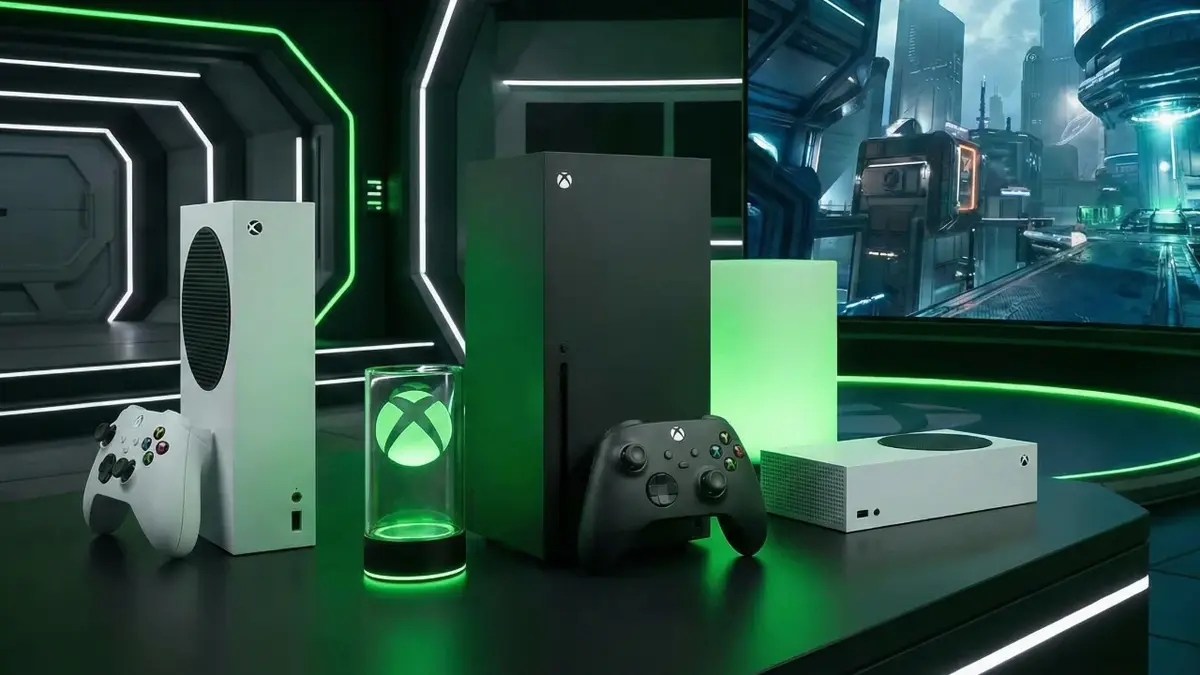
A third strategy involves shifting focus away from incremental graphical improvements toward entirely new device form factors. Microsoft’s development of Xbox Project Helix and Sony’s exploration of specialized handheld hardware reflect a growing desire to bridge the gap between traditional console gaming and PC architecture. By offering unique user experiences rather than just raw power, these companies hope to justify the increased cost of next-generation systems.
The launch of these consoles coincides with one of the most prolonged generational transitions in gaming history.
The Decision to Upgrade Is Becoming Difficult
Economic pressures and the diminishing returns of graphical fidelity are making the transition to the PlayStation 6 and Xbox Project Helix a difficult decision for the average gamer. With the visual leap between generations becoming less pronounced, consumers may choose to maintain their current systems rather than invest heavily in new, expensive hardware. To succeed, manufacturers must prioritize experience-driven innovation over simple hardware specifications to win over a cautious consumer base.
How would a $1000 price tag impact your decision to upgrade to a new console, or do you feel satisfied with your current gaming setup? We invite you to share your thoughts and predictions in the comments section below.
Your comment has been submitted,
it will be published after approval.