
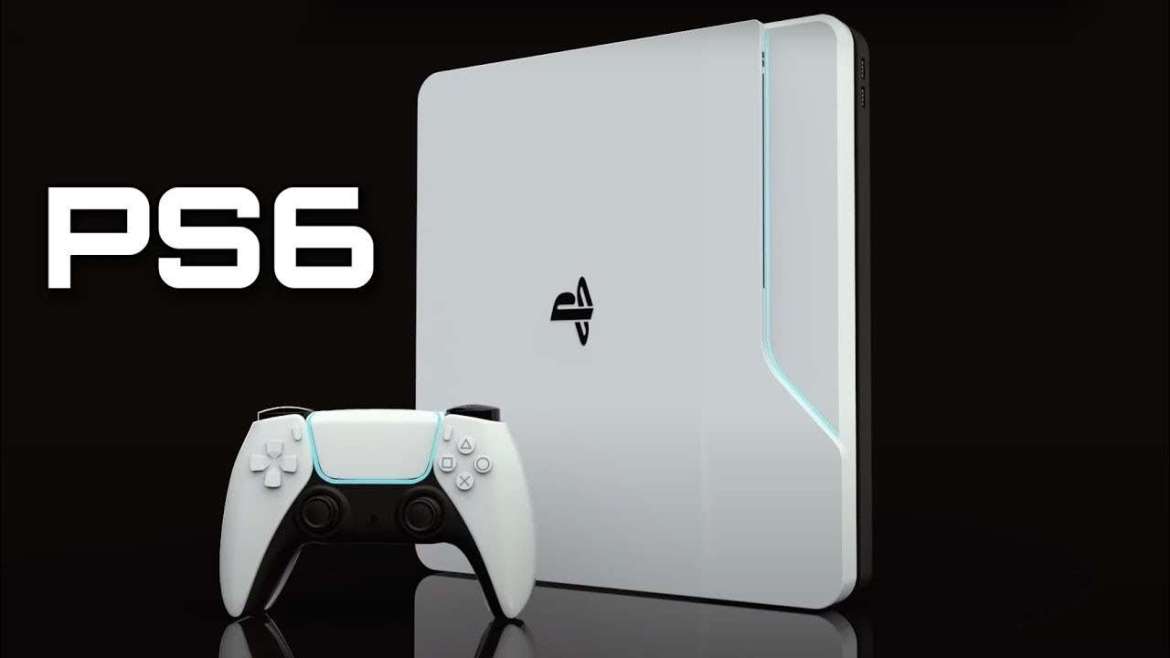
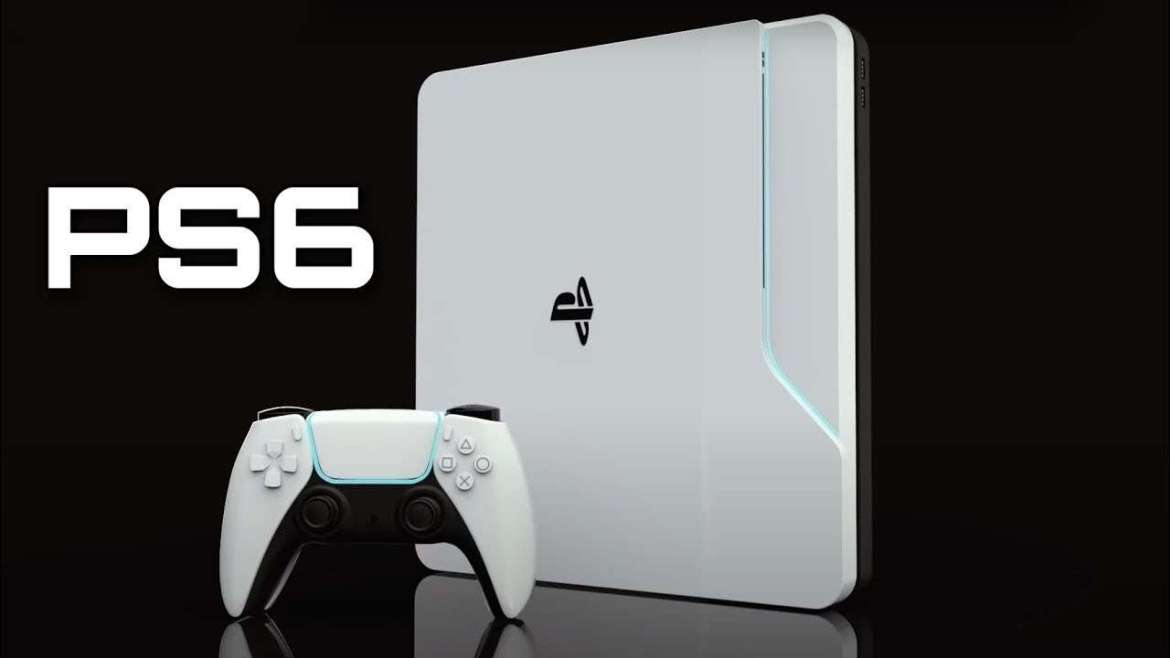
Gamers eagerly awaiting news on the PS6 release date may need to be more patient, as a new claim suggests expectations could be shifting. According to a report from a reliable analysis firm, Sony might extend the lifecycle of its current-generation console, the PlayStation 5, which could postpone the arrival of its successor. This development could have significant implications for both players and developers.
What Do New Reports Suggest for the PS6 Release Date?
A report authored by MST Financial analyst David Gibson and published by Sandstone Insight Japan indicates that Sony Group is planning an unusually long life cycle for the PlayStation 5. As a direct result of this strategy, the launch of the PlayStation 6 (PS6) could be pushed to a later date than many in the industry currently anticipate. The report highlights that Sony’s gaming division has been achieving financial results that exceed market expectations, thanks to strong performance in both first-party and third-party game sales. This success is seen as a key factor in the decision to prolong the PS5 era.
Furthermore, Sony’s gaming and network services revenue is expected to reach 1.8 trillion Yen in the third quarter, with an operating profit of around 160 billion Yen. This robust financial standing supports the company’s inclination to continue generating profits from existing hardware rather than rushing into a new hardware investment. Planned PS5 discounts during the holiday season also reportedly had a positive impact on sales, demonstrating the continued vitality and profitability of the PS5 ecosystem.
Another crucial piece of data supporting this strategy comes from the sales performance of the PS5 Pro model. Mat Piscatella, Senior Director at market research firm Circana, shared that Pro models account for 13% of PS5 purchases in the United States. This figure is on par with the lifetime sales percentage of the previous generation’s PS4 Pro, indicating a significant success. Consequently, the strong market reception for even an upgraded mid-generation console makes Sony’s strategy of extending the PS5 generation seem quite logical.
RAM Shortage Rumors and Production Facts
Another topic fueling speculation about a potential PS6 delay is the rumor of a RAM shortage in the global technology market. Some sources claim that difficulties in accessing the high-speed memory required for next-generation consoles could slow down production, making a postponement inevitable. However, a different perspective has emerged from within the industry to counter these claims.
Moore’s Law Is Dead (MLID), a well-known name in the hardware world, stated that Sony has not decided to delay the PS6 due to a RAM shortage. According to MLID, Sony and its processor partner AMD have existing contracts with TSMC for the production of the APUs that will power the PS6, with a timeline pointing to mid-2027. As of now, there are no changes to these plans. MLID emphasizes that APU production and RAM selection are separate processes. This means Sony can proceed with chip manufacturing as planned while making the final decision on memory configuration much later. This flexible approach allows the company to adapt to market conditions. A delay would only be considered if memory supply conditions were to deteriorate significantly.
In conclusion, Sony’s desire to fully leverage the PS5’s successful sales figures and strong game library increases the likelihood that the PS6 will arrive later than the expected 2027-2028 window. While potential issues in the global tech supply chain could affect this, current plans appear to remain on schedule. Gamers may just need to be a little more patient for the next generation.
So, what are your thoughts on the potential PS6 delay? Share your opinions with us in the comments!