
Qualcomm Targets Gaming Laptop Market with Snapdragon X2 Elite

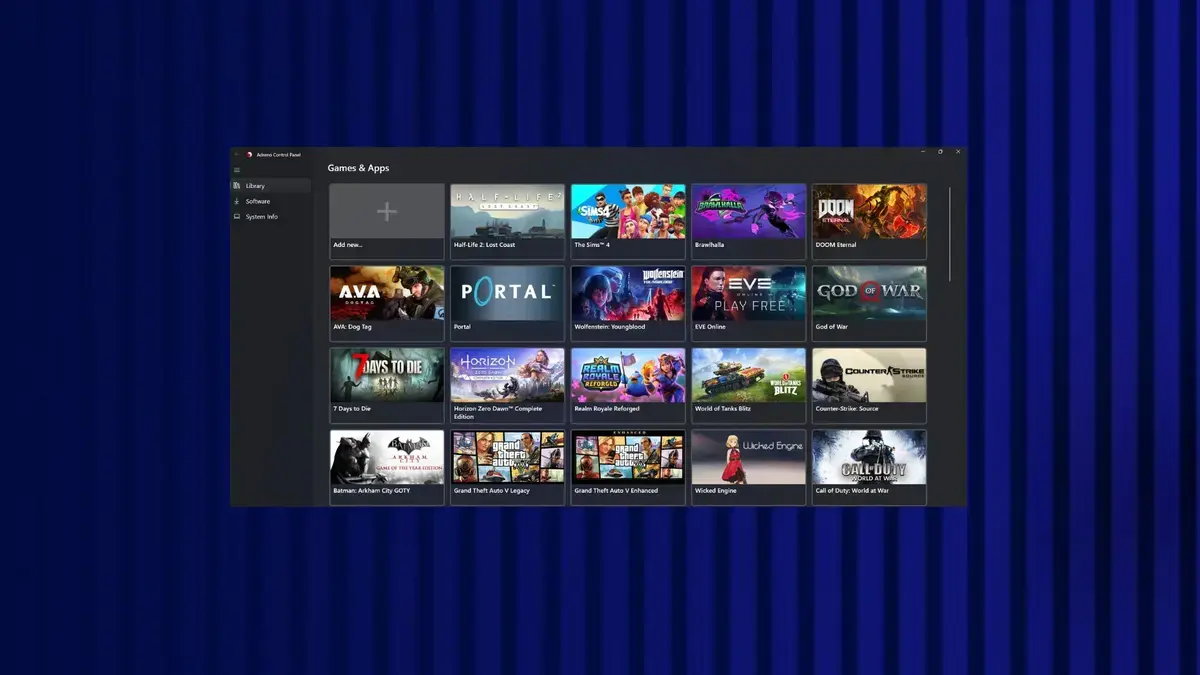
Qualcomm is aggressively positioning its Snapdragon X2 Elite processor to disrupt the gaming laptop market through a series of strategic software enhancements and driver optimizations. By rolling out significant updates to the Snapdragon Control Panel, the company is simplifying access to NPU drivers and refining game library management to improve overall performance. This shift signals a broader effort by Qualcomm to transform its ARM-based architecture from a productivity-focused tool into a viable competitor for portable gaming. As component costs inflate the price of traditional gaming rigs, the X2 Elite offers a cost-effective alternative that challenges established market leaders.
- Qualcomm has updated the Snapdragon Control Panel to optimize NPU driver accessibility and game management performance.
- Tests indicate that Snapdragon X2 Elite devices can achieve performance levels comparable to the RTX 5060 in specific gaming scenarios.
- The Windows Prism emulation layer currently presents compatibility challenges for various competitive titles.
- Rising hardware costs in the traditional gaming laptop segment have created a strategic entry point for Qualcomm-based hardware.
Snapdragon X2 Elite Enhances Gaming Performance Capabilities
The debate regarding whether Snapdragon X2 Elite devices can function as dedicated gaming machines has intensified following recent benchmark results. Independent evaluations, such as those performed by the tech channel ETA Prime, have demonstrated that the processor can run demanding titles like Cyberpunk 2077 at playable frame rates on devices like the Asus Zenbook A14. By utilizing automated super-resolution technologies, these ultrabooks are closing the performance gap previously held by mid-range laptops equipped with discrete graphics cards.
The Snapdragon X2 Elite effectively turns slim, lightweight ultrabooks into highly capable portable gaming machines.
Market Conditions Alter Competitive Dynamics
The current landscape for gaming laptops is defined by steep price tags, with many premium devices ranging between $1,500 and $2,000. Models such as the Asus Zenbook A14 are beginning to capture market share by offering a compelling balance of portability and power that rivals traditional gaming-focused hardware. When compared to premium entries like the Razer Blade 14 or the Asus ROG Zephyrus G14, systems utilizing Qualcomm technology may offer superior value, particularly for users prioritizing efficiency alongside utility.
However, it is important to note that this shift does not signal the immediate obsolescence of x86 architecture. The reliance on Microsoft’s Prism emulation layer means that the ecosystem is still in a transitional phase. While many games run smoothly, some competitive titles continue to experience compatibility hurdles or failure to launch, highlighting that the software stack still requires further refinement to achieve universal stability.
High-end systems featuring RTX 5070 graphics cards or above will remain largely unaffected by this transition in the short term.
As Qualcomm continues to iterate on its software and driver support, the potential for ARM-based hardware to capture a larger share of the laptop market grows. While high-end enthusiasts may stick to established x86 platforms for the foreseeable future, the casual and mid-range gaming segments are primed for a major disruption. Whether this technology will eventually replace traditional gaming PCs remains a subject of intense debate among industry analysts and enthusiasts alike.
We are curious to hear your take on this shift in the mobile computing landscape. Do you believe the Snapdragon X2 Elite has the potential to replace your current gaming setup, or will you stick with traditional hardware for now? Share your thoughts and experiences in the comments section below.
Your comment has been submitted,
it will be published after approval.