
Qualcomm to Launch 2nm Processors With Dual Memory Options


Qualcomm is currently developing a cutting-edge 2nm chipset for Android flagship devices, with a scheduled release set for 2027. According to recent reports, the semiconductor giant is testing two distinct versions of this processor to provide flexible options for smartphone manufacturers. While the standard model will feature support for LPDDR5X memory, a high-performance ‘Pro’ variant is being engineered to utilize the advanced LPDDR6 memory standard. By leveraging TSMC’s sophisticated 2nm manufacturing process, Qualcomm aims to establish this new series as the most powerful SoC solution ever integrated into the Android mobile ecosystem.
- Qualcomm plans to release its 2nm processor in both standard and Pro configurations to address varying market segments.
- The Pro variant will incorporate LPDDR6 memory and UFS 5.0 storage to deliver peak hardware performance.
- The transition to 2nm architecture provides significant improvements in energy efficiency and computational power over previous generations.
- This dual-tier strategy serves to mitigate rising production costs while maintaining competitive reach across premium and ultra-premium smartphone tiers.

2nm Architecture Sets New Performance Standards
The core of this upcoming chipset generation is built upon TSMC’s 2nm fabrication technology. This shift allows for greater transistor density, which directly translates to enhanced processing power and improved battery longevity. As artificial intelligence continues to dominate mobile software requirements, the demand for high-speed memory bandwidth has become a critical bottleneck for hardware engineers.
The integration of LPDDR6 support in the Pro model is expected to revolutionize on-device AI performance capabilities.
Qualcomm is positioning the standard model as a robust, cost-effective solution for flagship manufacturers, whereas the Pro version is specifically tailored for the ‘Ultra’ segment of the market. This strategic segmentation allows smartphone brands to optimize their device pricing structures while still offering top-tier hardware to their consumers.
Rising Production Costs Dictate New Market Strategies
Industry analysts have projected that the unit cost for the Pro variant could exceed $300, necessitating a diversified product approach. This premium pricing model forces manufacturers to carefully select their hardware components to maintain profitability. By offering a standard model that relies on established LPDDR5X technology, Qualcomm provides a balanced performance-to-cost ratio for brands that want flagship features without the prohibitive expense of bleeding-edge memory modules.

Technical Specifications Reveal Future Capabilities
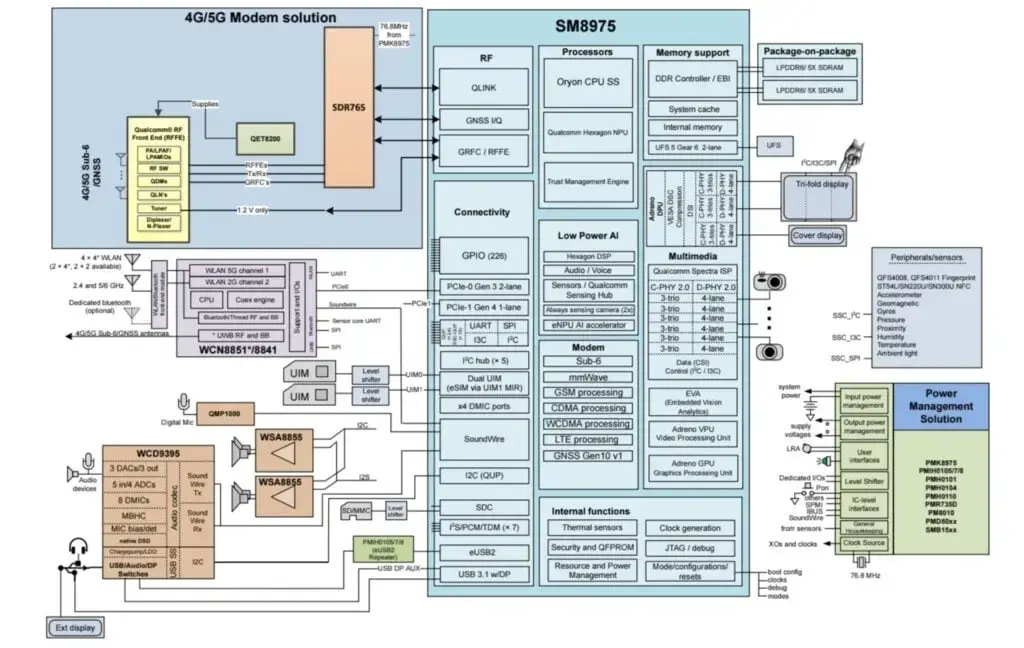
Early technical documentation suggests that the Pro model will house the new Adreno 850 GPU, which is anticipated to significantly outperform current graphics processing units. Furthermore, the company is exploring potential variants featuring seven-core CPU configurations to provide additional flexibility in cost management for its partners.
Qualcomm’s calculated approach offers a sustainable path forward in an increasingly expensive premium hardware market.
While official announcements are expected throughout 2026, the industry is already anticipating the arrival of the Snapdragon 8 Elite Gen 6 Pro in 2027. The final choices made by smartphone manufacturers regarding these two versions will likely define the market identity of flagship devices for years to come.
What are your thoughts on Qualcomm’s decision to split the 2nm processor line between LPDDR5X and LPDDR6 memory? Do you believe the jump to LPDDR6 will noticeably change your day-to-day mobile experience, or is it overkill for most users? Let us know your opinions in the comments section below.
Your comment has been submitted,
it will be published after approval.