
Samsung Accelerates Exynos Production to End Qualcomm Dependency

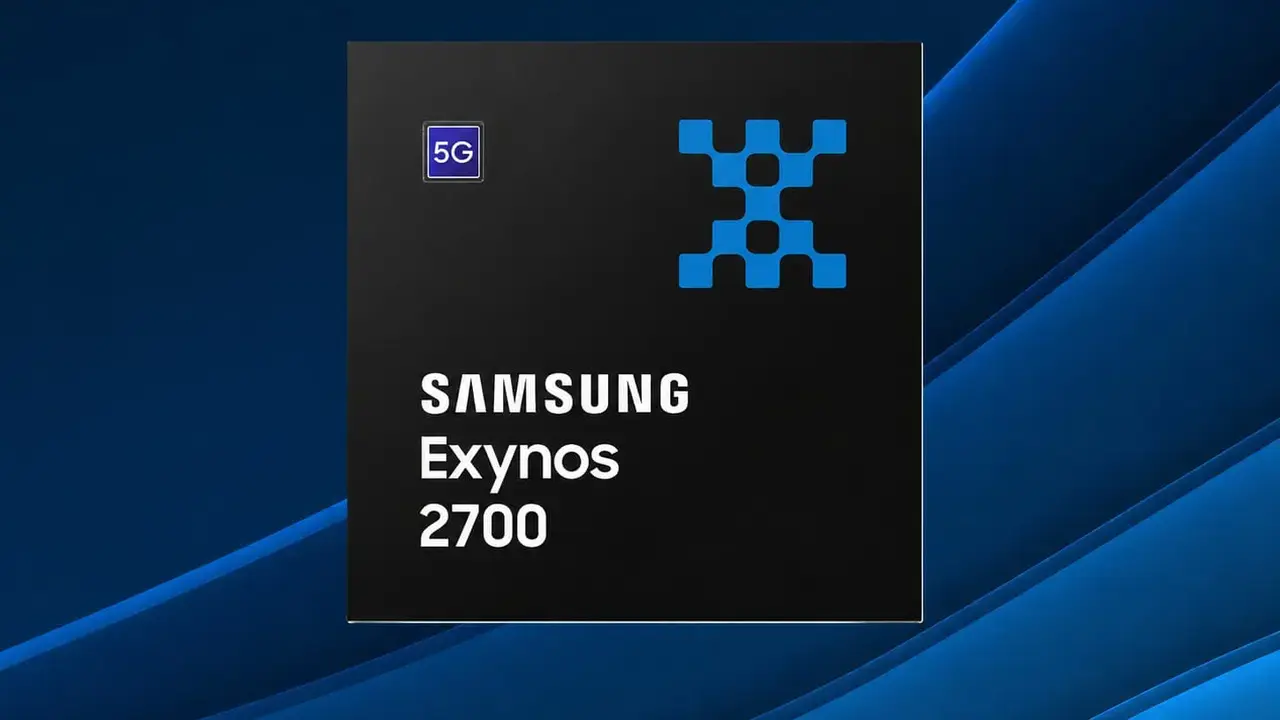
In a strategic move to secure its technological autonomy, Samsung is launching a comprehensive three-generation roadmap to reduce its reliance on Qualcomm chips by advancing its proprietary Exynos chipset line. According to recent industry reports, the company is preparing to debut the Exynos 2700, 2800, and 2900 processors, which are designed to strengthen the Samsung device ecosystem. By leveraging the expertise gained from the Exynos 2600 and integrating cutting-edge 2nm and 1.4nm manufacturing processes, the Korean tech giant aims to achieve a significant performance and efficiency advantage in the global smartphone market.
- Samsung has announced a three-generation roadmap for Exynos processors to decrease its reliance on external chip suppliers.
- The upcoming Exynos 2800 chipset will feature the first internally developed GPU following the end of the partnership with AMD.
- The Exynos 2900 model is scheduled to enter mass production in 2029 utilizing a 1.4nm manufacturing node.
New Generations of Exynos Chips are Being Developed
Samsung is preparing to usher in a new era of semiconductor excellence with its upcoming chip lineup, codenamed Ulysses for the Exynos 2700, Vanguard for the Exynos 2800, and Whistler for the Exynos 2900. The Exynos 2700 is expected to leverage the SF2P production node to deliver high-performance capabilities, while the Exynos 2800 is being engineered to serve a broader spectrum of mobile devices. These next-generation components are central to the company’s broader strategy to capture a larger share of the global semiconductor market.
Samsung intends to achieve industrial leadership by transitioning to 1.4nm manufacturing technology.
Advanced Packaging Technologies are Solving Thermal Challenges
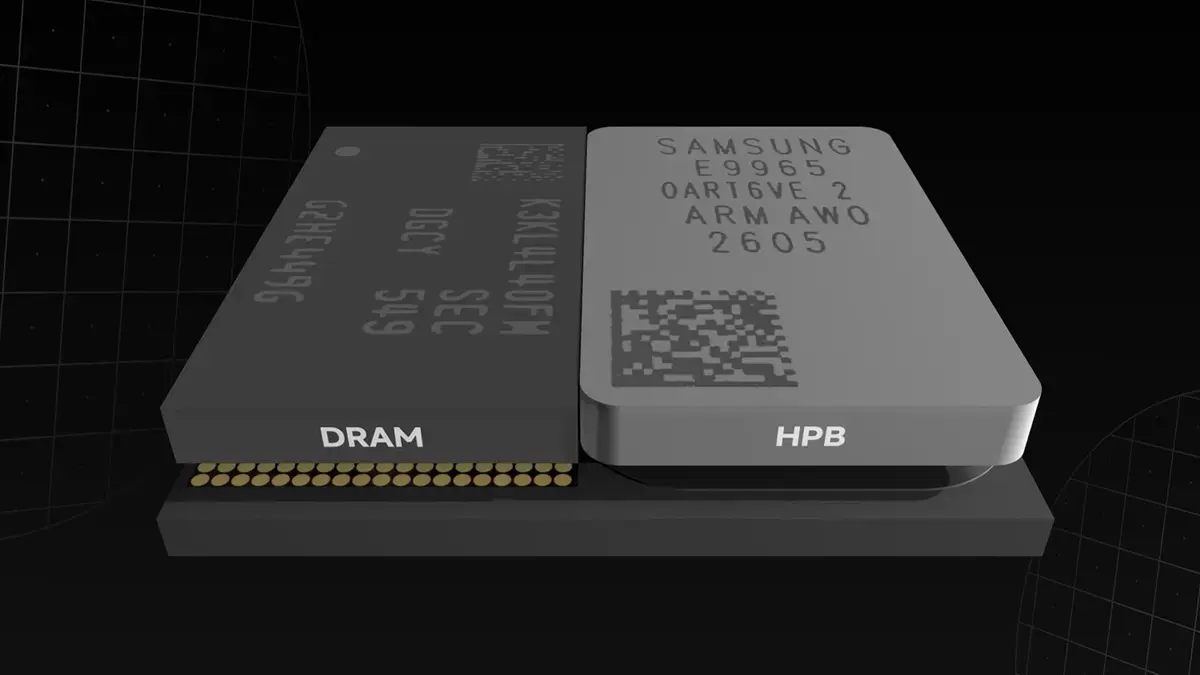
Historically, Exynos processors have faced criticism regarding thermal management during intensive tasks. To address these concerns, Samsung is implementing advanced packaging solutions that significantly improve heat dissipation. The use of “Heat Pass Block” technology, combined with the structural separation of the RAM and the System-on-Chip (SoC) die, allows for better thermal regulation. These hardware-level refinements are expected to drastically improve the reliability and sustained performance of the Exynos series in future flagship devices.
Thermal performance is being significantly enhanced by separating the RAM from the main processor.
Strategic Production Nodes are Improving Efficiency
Samsung is focusing on the technical refinement of its production cycles to ensure long-term stability and efficiency. The Exynos 2800 will utilize the optimized SF2P+ process, while the Exynos 2900 is set to revolutionize the industry with its 1.4nm architecture. Rather than engaging in a race of raw specifications, the company is prioritizing stable yield rates and architectural consistency. If the company maintains its current development trajectory, its foundry unit could successfully reshape the competitive landscape of the smartphone industry by significantly reducing the current gap between proprietary and third-party solutions.
Do you believe Samsung can successfully break Qualcomm’s market dominance with its upcoming Exynos lineup, or will the competition remain fierce? Please share your expectations for the next generation of Exynos chipsets in the comments section below.
Your comment has been submitted,
it will be published after approval.