

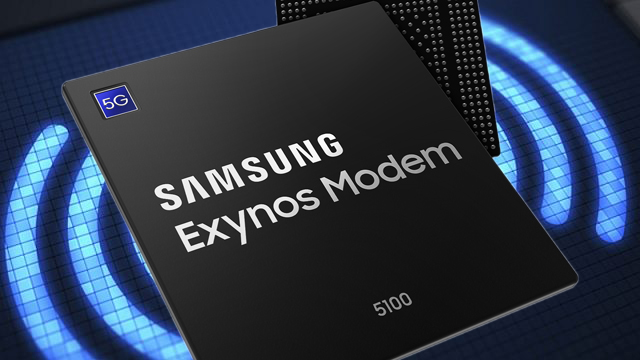
Samsung has officially introduced the Exynos Modem 5410, a new generation connectivity solution compatible with the Exynos 2600, the world’s first mobile processor manufactured using a 2nm process, which it recently announced.
New 5G Modem Unveiled
Developed because the new Exynos 2600 chipset does not include a built-in cellular modem, this external solution stands out with its high data speeds and advanced satellite communication capabilities. Manufactured with Samsung Foundry’s 4nm FinFET architecture, the Exynos Modem 5410 offers higher power efficiency compared to previous generations, minimizing device energy consumption in standby mode.
In terms of technical capabilities, the new modem supports both mmWave and sub-6GHz 5G networks, achieving very high download speeds of up to 14.79 Gbps per second. Fully compatible with existing 5G technologies as well as 2G, 3G, and 4G networks, the chip offers users a wide range of connectivity options.
One of the most significant innovations of the modem is its satellite communication support. While the previous model, the Exynos Modem 5400, only supported two different satellite technologies, the new 5410 model supports three different structures: LTE DTC, NB-IoT NTN, and NR-NTN.
Thanks to these technologies, devices can perform operations such as voice calls, video calls, and messaging via satellite, even in areas outside the coverage of traditional base stations.
In terms of security, the Exynos Modem 5410 features a hybrid protection system built on a hardware-based Root of Trust (ROM) architecture. The built-in security processor protects critical data such as the device’s IMEI using advanced encryption methods.
This new connectivity unit from Samsung will be the main component accompanying the Exynos 2600 processor in the Galaxy S26 and Galaxy S26+ models, which will be sold in global markets. While using an external modem represents a different design approach, the compatibility of a 2nm processor with a 4nm modem plays a decisive role in balancing performance and efficiency in next-generation flagship devices.