
Samsung Develops Thicker Foldable Screen Technology to Reduce Creases

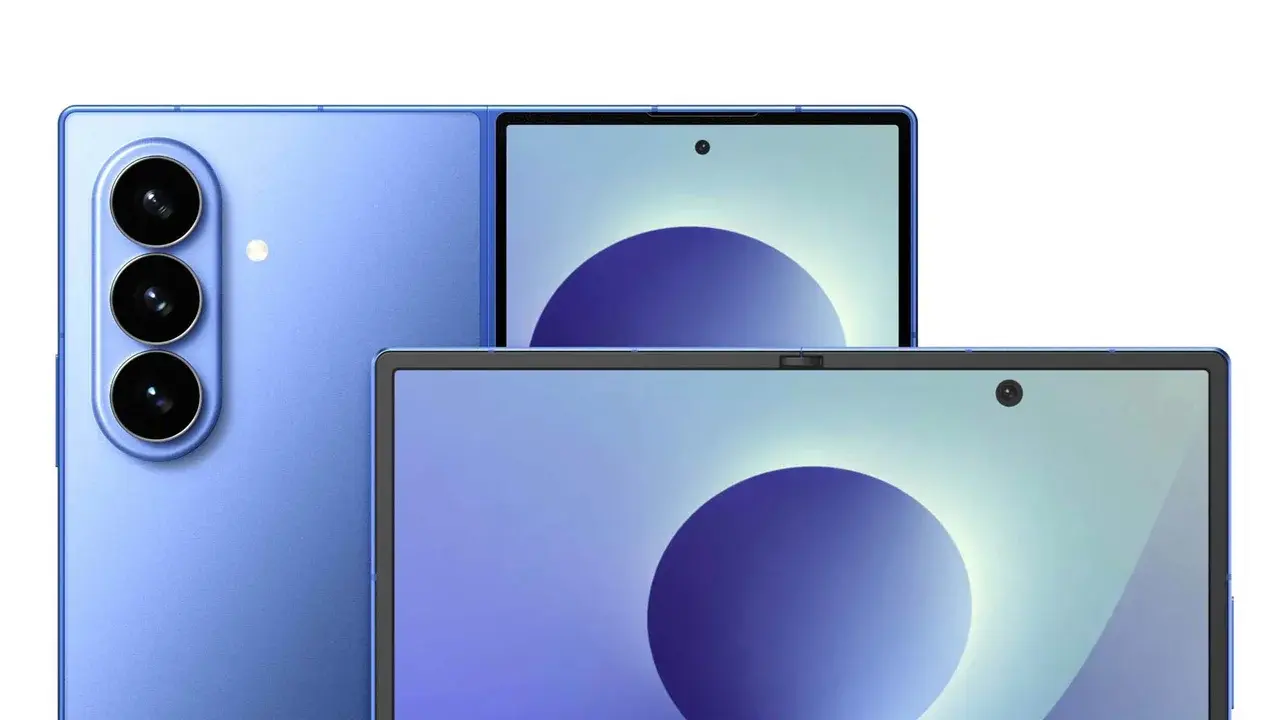
Samsung is currently engineering a significant advancement in foldable screen technology to address the persistent industry challenge of visible creases on display panels. By shifting toward a more robust Ultra Thin Glass (UTG) architecture, the tech giant aims to enhance both the physical durability and the aesthetic quality of its next-generation foldable devices. This initiative, reported by ZDNet Korea, focuses on the upcoming ‘Wide Fold’ model, which is expected to feature a 60μm thick glass layer. This development represents a strategic move to compete with rumored foldable projects from Apple, ensuring that the brand maintains its leadership in the mobile display market while providing a smoother, more resilient user experience for global consumers.
- Samsung is increasing the thickness of its Ultra Thin Glass to 60μm to minimize display creases.
- The new 60μm glass represents a 30 percent increase in thickness compared to the 45μm glass found in the Galaxy Z Fold 8.
- Engineers must ensure the new, thicker material maintains a durability threshold of 200,000 folds.
- This technological shift aims to improve resistance against sharp objects and long-term mechanical wear.
Samsung Targets Improved Display Aesthetics
For years, Samsung has relied on thinner glass layers to facilitate the complex folding mechanics of its devices. While these thinner panels successfully reduced the risk of cracking under pressure, they often resulted in a highly visible crease at the hinge point. Furthermore, thinner glass is inherently more susceptible to damage from sharp objects or heavy impacts. 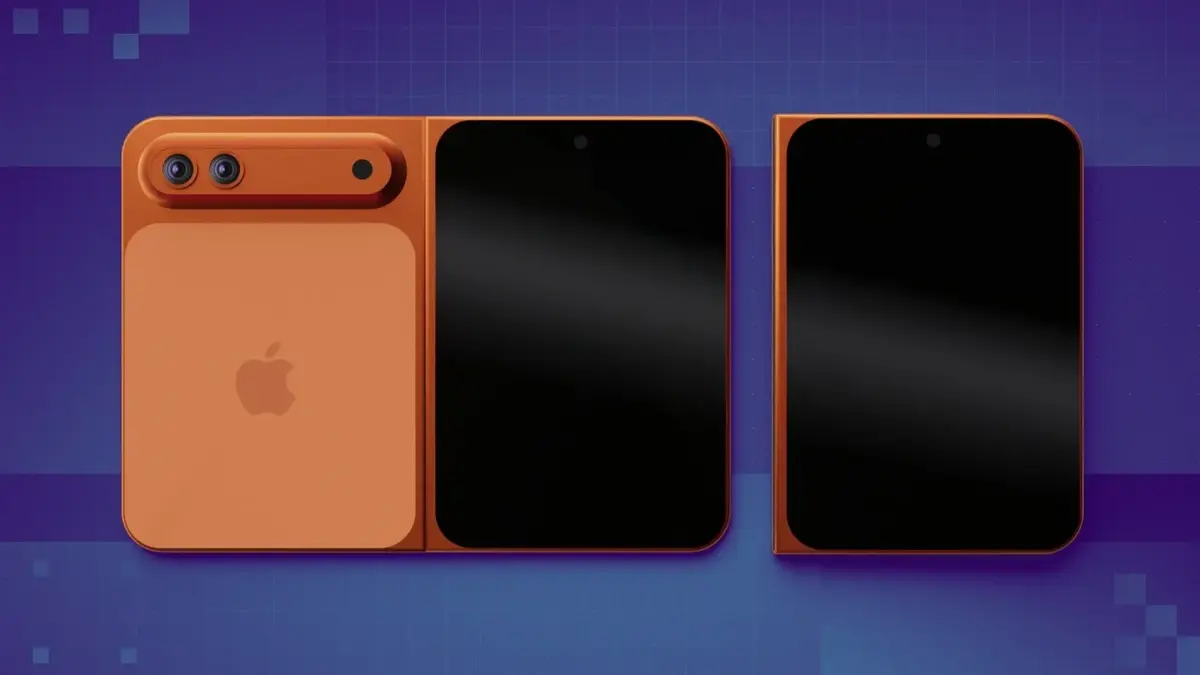
By transitioning to a 60μm glass standard, the company is attempting to balance structural integrity with the sleek design language consumers demand. This evolution is partly driven by the competitive landscape, as rivals like Apple reportedly prioritize a seamless display surface for their prospective foldable hardware.
The adoption of thicker glass marks a departure from previous manufacturing strategies that prioritized flexibility at the expense of surface smoothness.
Engineering Challenges Require Precision
Implementing a thicker substrate presents significant hurdles for the research and development teams. Increasing the thickness of the material makes the panel more rigid, which complicates the folding process. To maintain the industry-standard durability of 200,000 folds, Samsung must refine its underlying display architecture to ensure the glass does not fracture under repeated stress.
These technical requirements necessitate higher production costs and more sophisticated manufacturing processes. Despite these financial implications, Samsung remains committed to elevating the standards of the foldable sector. The transition to a 60μm thickness is expected to provide a sturdier screen that feels more like a traditional smartphone while retaining the unique benefits of a foldable form factor.
Achieving this balance is crucial for Samsung to maintain its dominant market position against emerging competitors.
Future Market Standards Are Being Defined
As the foldable market matures, the focus is shifting from simply making screens that fold to making screens that endure daily use without visible degradation. The development of this new UTG technology is a clear indicator that the industry is entering a more mature phase of hardware design. If successful, this iteration could become the new baseline for high-end foldable smartphones, effectively mitigating the common complaints regarding screen creases and structural fragility.
We are curious to hear your thoughts on this development: do you believe that increasing the thickness of the glass will finally make foldable phones a viable daily driver for everyone, or is the crease an unavoidable trade-off of the technology? Share your opinions in the comments section below.
Your comment has been submitted,
it will be published after approval.