

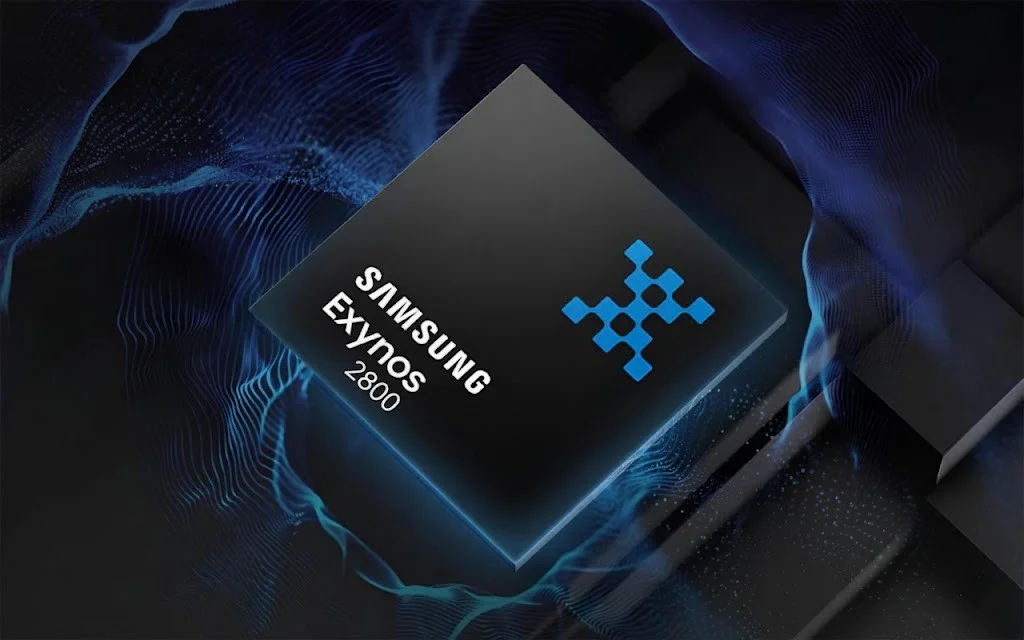
Preparing to reshape the power dynamics of the smartphone market with the Exynos 2800 processor, Samsung has already accelerated behind-the-scenes work for the Galaxy S28 series, planned for release in 2028. According to the latest industry reports from South Korea and strong leaks, the tech giant is opening the doors to a brand-new era targeting direct field performance and device efficiency rather than just figures on paper.
The next-generation processor project, meticulously carried out under the internal codename “Vanguard,” aims to finalize the basic design process before the end of 2026 and immediately transition to prototype production at the Samsung Foundry division. Seeking to bury the heating and optimization bottlenecks previously experienced by the Exynos series, the brand is following a cautious, engineering-focused strategy for this major test.
Exynos 2800 and the 2nm SF2P+ Architecture
In Samsung’s previous roadmap for mobile processors, an aggressive transition to a 1.4nm production process was expected by 2027. However, considering the production risks and yield losses brought by shrinking nanometers, the company decided to postpone this revolution until 2029. Instead, the Exynos 2800 will roll off the line using a much more refined and matured production technology called “SF2P+,” based on the third-generation 2nm architecture.

Supported by advanced techniques called Optical Shrink, this production process tightens circuit designs on the chip to increase performance without changing the nanometer node. The primary goal is to maximize the production yield. This ensures the processor consumes much less energy, operates at lower temperatures even under heavy loads, and physically reduces the die area. In short, Samsung is focusing on the perfect harmony between hardware architecture and production lines rather than chasing smaller numbers for marketing purposes.
A New Turning Point in Competition with Qualcomm Snapdragon
As is known, Samsung has occasionally been the target of criticism from hardware enthusiasts due to the Exynos processors used in devices offered in markets like Europe and Türkiye. Previous generations that lagged behind rival Qualcomm’s flagship Snapdragon series in energy efficiency and thermal management under heavy gaming loads directly impacted the overall user experience.
However, the company, having learned great lessons from the challenges faced in previous node transitions, is drawing significant courage from the Exynos 2700 model, whose tests are currently continuing smoothly based on the same 2nm architecture. This massive investment in chip stability, thermal balance, and production line optimization could permanently change the course of relentless competition in the mobile processor world. Furthermore, rumors circulating in industry circles suggest that the possibility of Samsung launching a custom in-house GPU architecture developed entirely within its own structure is seriously on the table.
If Samsung succeeds in this rational engineering strategy focused on “maximum stability instead of aggressive innovation” and manages to obtain high-quality dies from the SF2P+ production line, the Galaxy S28 series will take its place as one of the devices with the strongest hardware-software balance in the brand’s history. Would you like me to research the GAA (Gate-All-Around) transistor improvements in the SF2P+ node or look for the latest leaks regarding Samsung’s custom GPU collaboration with AMD? Share your thoughts in the comments!