
Samsung Galaxy S27 Screen Supply Chain Excludes BOE

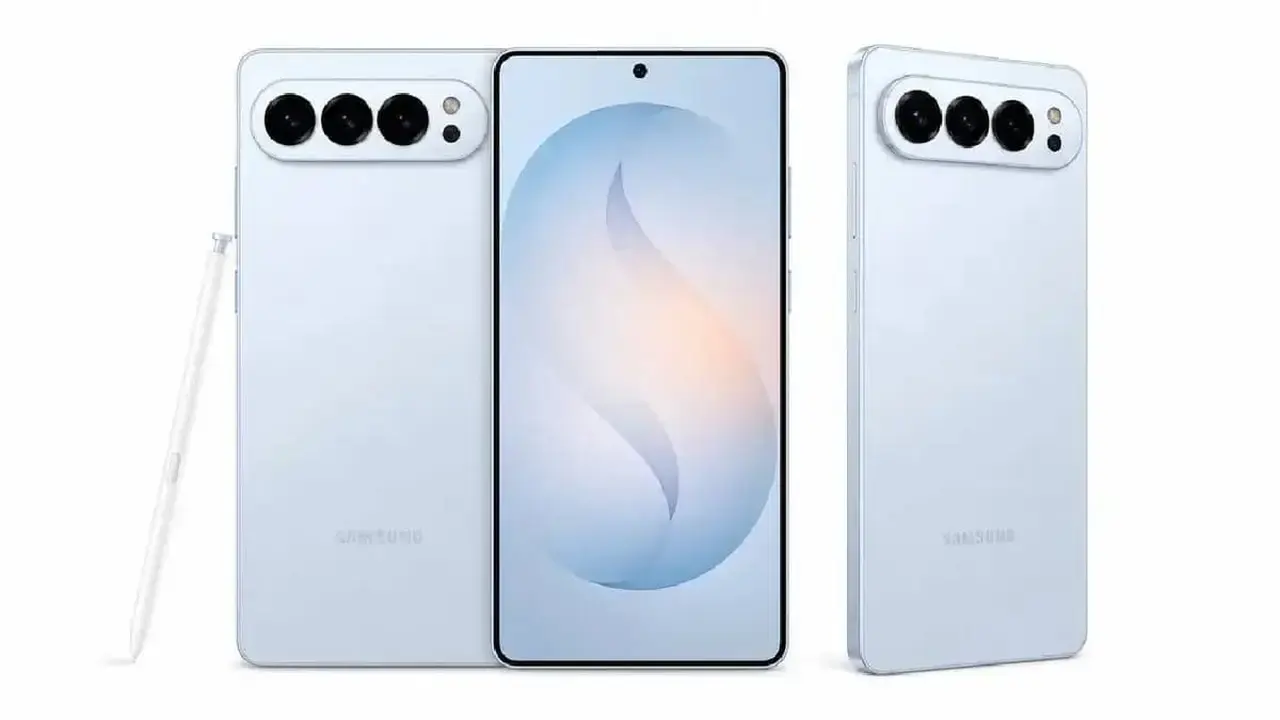
In a significant shift regarding the production of its upcoming flagship devices, Samsung Electronics has officially decided against partnering with Chinese manufacturer BOE for the display panels of the Galaxy S27 series. Following extensive negotiations and technical evaluations, the South Korean tech giant determined that the Chinese supplier would not meet the rigorous requirements necessary for the next generation of its smartphones. This decision effectively halts ongoing development efforts that had been underway between the two companies. By choosing to rely on its established internal supply chains, Samsung reaffirms its commitment to maintaining strict control over the display technology integrated into its high-end mobile products.
- BOE has terminated all development activities related to OLED panels for the Samsung Galaxy S27 series.
- Samsung Electronics executives opted to maintain existing supply chain partnerships instead of integrating new external providers.
- Samsung Display remains the primary and dominant provider of screen technology for the forthcoming flagship lineup.
The strategic move by Samsung serves as a definitive statement on the company’s hardware quality standards and operational security. 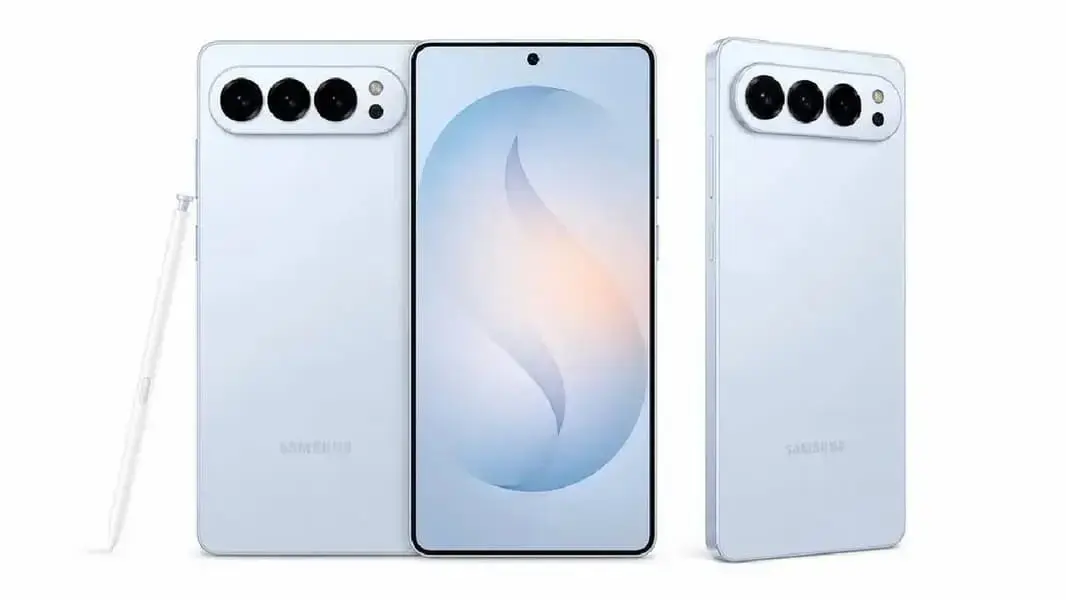 While BOE had invested significant capital and effort into winning the contract, the internal consensus within Samsung Electronics favored the reliability of its existing ecosystem. Industry analysts suggest that the decision reflects a broader risk management strategy designed to prevent potential supply chain disruptions during the critical launch phase of the new flagship series.
BOE’s Strategic Market Expansion Attempts Failed
For BOE, securing a position in the Galaxy S27 supply chain represented a major opportunity to bolster its global standing and prestige. The company had dedicated substantial resources to prototyping OLED panels that would meet the exacting specifications of Samsung’s engineers. Despite high-level visits to BOE production facilities by Samsung executives, the collaborative effort ultimately reached an impasse. The prevailing sentiment among Samsung’s leadership was that the potential risks associated with diversifying the supply chain at this specific juncture outweighed the projected benefits of incorporating a new manufacturer.
Samsung prioritizes internal supply chain stability over third-party integration for its flagship devices.
Samsung Display Continues to Maintain Its Market Dominance
As a subsidiary of the parent company, Samsung Display functions as both a technological powerhouse and a strategic asset for Samsung Electronics. By maintaining a vertically integrated structure, the company ensures that its most advanced mobile devices feature proprietary panels that meet strict performance benchmarks. This approach keeps the technological edge within the company while protecting trade secrets and ensuring consistent production quality across the global market.
While BOE continues to improve its technological capabilities and market presence, the high-quality threshold set by the Galaxy S27 series remains a challenging hurdle for third-party suppliers. Samsung is clearly not willing to compromise on the visual performance or reliability of its devices, choosing instead to rely on the proven excellence of its own display division. Moving forward, BOE will likely shift its focus toward securing supply agreements with other major smartphone manufacturers who are looking to expand their vendor pools.
The decision underscores the difficulty that external display manufacturers face when attempting to enter the inner circle of top-tier hardware producers. For consumers, this signifies that the Galaxy S27 will likely arrive with the consistent display quality that has become a hallmark of the series. The emphasis remains firmly on reliability and control in an era where screen technology is often the most vital component of the user experience.
How do you feel about Samsung’s strategy of keeping screen production within its own ecosystem, and do you think this leads to a better user experience? Share your thoughts in the comments section below.
Your comment has been submitted,
it will be published after approval.