
Samsung Galaxy S27 Ultra Battery Capacity and Charging Specs Emerge

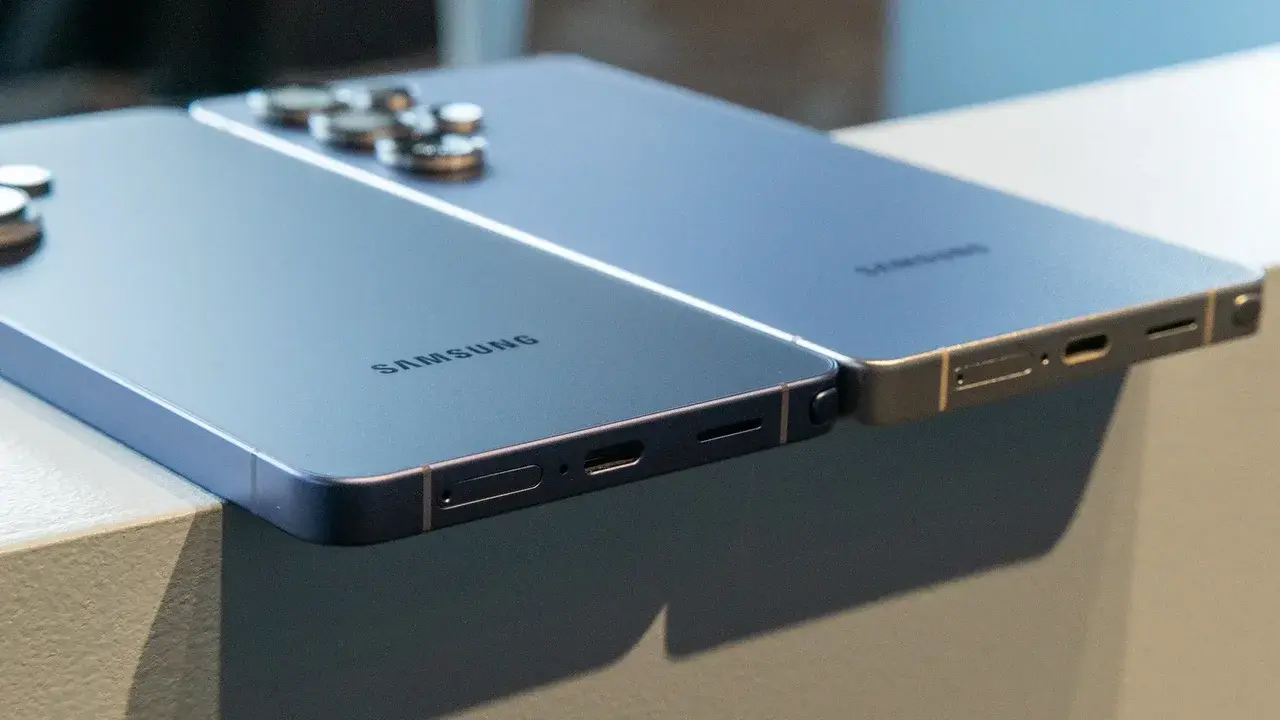
As anticipation builds for Samsung’s next flagship lineup, recent leaks have provided significant insights into the Samsung Galaxy S27 Ultra battery capacity and its overall charging performance. Industry reports suggest that while the device will likely maintain its 60W charging threshold, the manufacturer is implementing sophisticated efficiency optimizations to improve the user experience. According to regulatory filings and industry analysts, the upcoming flagship is expected to debut in early 2025, likely during a January or February launch event. These developments represent a strategic focus on balancing hardware power with software-driven energy management to maintain a competitive edge in the premium smartphone market.
- The Samsung Galaxy S27 Ultra will likely feature an upgraded 5,700mAh battery capacity.
- Charging speeds are expected to remain capped at 60W for the new flagship model.
- Enhanced software optimization techniques will theoretically reduce total charging time by 2 to 3 percent.
- Samsung intends to bridge the gap between hardware limitations and user demand for faster power replenishment.
Battery Capacity Will Exceed Previous Hardware Limits
For several generations, the premium segment of Samsung’s S-series remained tethered to a 5,000mAh battery capacity. Recent leaks from regulatory bodies suggest that the Galaxy S27 Ultra will finally break this barrier, incorporating a significantly larger 5,700mAh unit. This hardware upgrade is designed to extend daily usage cycles, providing users with more longevity between charges. While a larger battery typically implies longer downtime for replenishment, the company is reportedly mitigating this through advanced power management protocols.
Charging Efficiency Will Be Improved Through Software
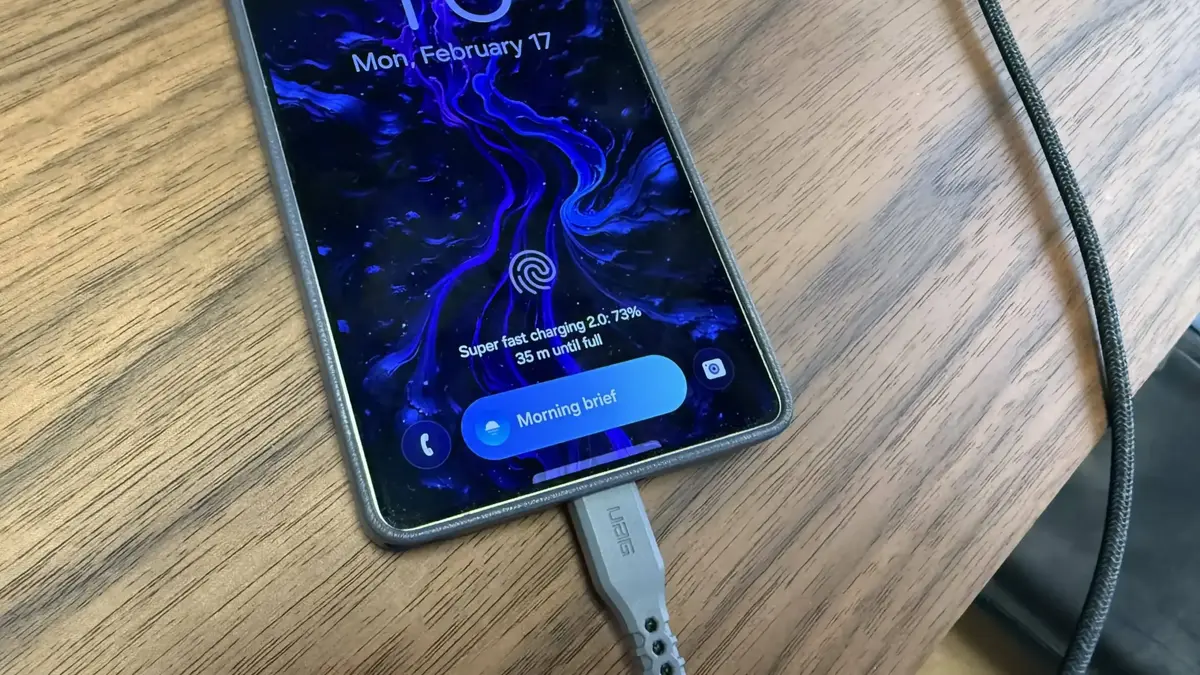
Although the maximum charging power will stay at 60W, the overall charging experience is projected to improve. Reports from Android Headlines indicate that despite the increase in battery capacity, the device will achieve a full charge roughly 2 to 3 percent faster than its predecessor, the S26 Ultra. This improvement is attributed to specialized optimization techniques that allow the hardware and software to communicate more effectively, thereby maximizing the power intake throughout the charging cycle. By refining these internal processes, Samsung aims to improve the daily utility of the device without requiring a radical overhaul of its charging infrastructure.
Optimization Strategies Are Being Evaluated for Broader Implementation
A critical question remains regarding whether these battery efficiency improvements will be exclusive to the Galaxy S27 Ultra or if they will extend to the entire S27 series. Furthermore, tech enthusiasts are questioning if these software-based enhancements could be rolled out to existing models like the S26 Ultra via firmware updates. The technical feasibility of such updates depends heavily on the underlying hardware architecture of each device. If these improvements are purely software-driven, it is possible that Samsung may offer similar optimizations to its legacy flagship users in the future.
The prospect of a larger battery paired with smarter charging software is certainly an intriguing development for power users. We would love to hear your thoughts on these potential hardware updates—do you prioritize a larger battery capacity over faster raw charging speeds, or is the current 60W limit sufficient for your daily needs? Share your opinions in the comments section below.
Your comment has been submitted,
it will be published after approval.