
Samsung Galaxy Watch 9 Shifts to Qualcomm Snapdragon Wear Elite


In a significant strategic pivot for its wearable lineup, Samsung is set to equip the upcoming Galaxy Watch 9 with Qualcomm’s Snapdragon Wear Elite chipset. This decision marks the departure from the company’s long-standing reliance on its proprietary Exynos processors for its flagship smartwatch series. The transition was confirmed through leaked imagery shared by prominent industry analyst Evan Blass, which explicitly displays the ‘Powered by Snapdragon Wear Elite’ branding on the device’s marketing materials. As excitement builds ahead of next week’s official launch event, tech enthusiasts are keenly observing how this 3nm architecture will influence the watch’s performance and battery efficiency compared to previous iterations.
- Samsung replaces its internal Exynos processors with the Qualcomm Snapdragon Wear Elite chipset for the Galaxy Watch 9.
- The new 3nm-based processor aims to deliver significant improvements in raw processing power and overall energy efficiency.
- Leaked promotional materials confirm the integration of the Snapdragon hardware within the upcoming wearable device.
- The official unveiling of the Galaxy Watch 9 is scheduled to take place at Samsung’s upcoming product showcase next week.
The integration of Qualcomm hardware signals a major shift in Samsung’s long-term wearable development strategy.
Exynos Processors Are Being Phased Out
Since the inception of the Galaxy Watch series, Samsung has consistently utilized its own Exynos chipsets to power its wearable ecosystem. This vertical integration allowed the manufacturer to maintain strict control over both hardware and software optimization. 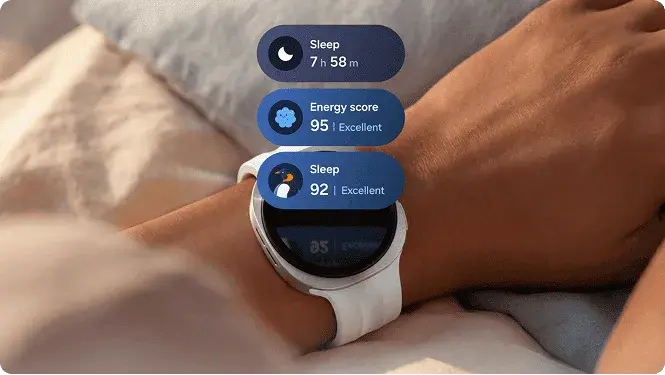 However, the decision to pivot to the Snapdragon Wear Elite represents a clear change in trajectory.
 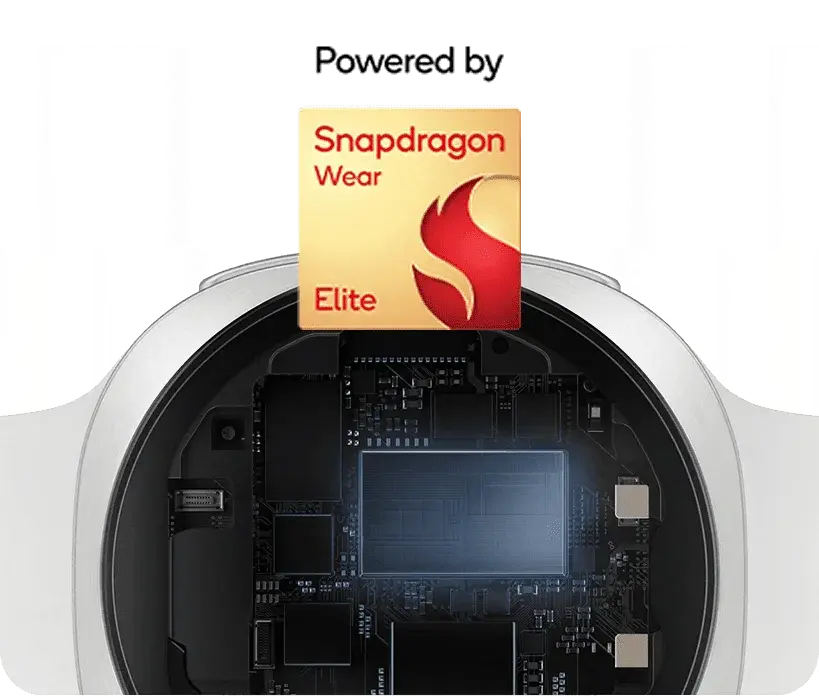 Industry analysts suggest that this shift may be driven by the need for more specialized processing capabilities that the new 3nm Qualcomm architecture offers.
  By leveraging a third-party partner, Samsung might be prioritizing peak performance and power management to stay ahead in a highly competitive market.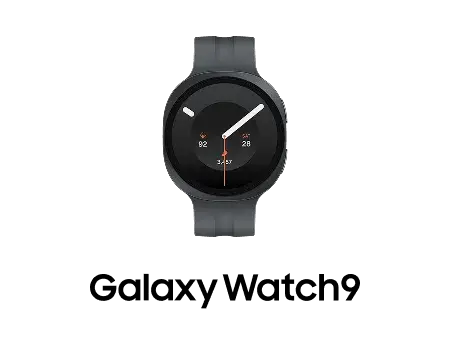
Performance Expectations Are Rising Among Users
The transition to a 3nm manufacturing process is expected to provide substantial benefits for the end-user experience. 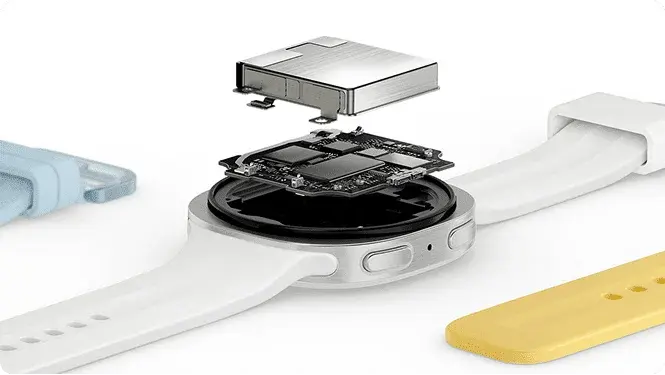 Beyond mere speed, the Snapdragon Wear Elite is designed to handle intensive background tasks more effectively, which could lead to a more fluid interface and longer battery life.
  While specific software features tailored for this new chipset remain unconfirmed, the hardware jump alone suggests a higher ceiling for future health tracking and AI-driven applications. Samsung has managed to keep the finer technical details under wraps, but the industry expects the new chip to facilitate a smoother multitasking environment for watch users.
Official Launch Date Is Approaching Quickly
The Galaxy Watch 9 will make its official debut during Samsung’s scheduled event next week.  The company plans to showcase the new wearable alongside its latest generation of foldable smartphones, reinforcing its commitment to a unified ecosystem update.
  Industry observers will be watching closely to see if this shift to Qualcomm results in the performance gains promised by the 3nm architecture.
  As the launch date nears, the hardware specifications and the impact on daily battery longevity will likely become the primary focus of technical reviews.
We are eager to hear your thoughts on this major hardware transition; do you believe the move to Qualcomm will make the Galaxy Watch 9 a stronger competitor in the smartwatch market, or will you miss the integration of Samsung’s own Exynos chips? Share your opinions in the comments section below.
Your comment has been submitted,
it will be published after approval.