
Samsung Googlebook with Snapdragon X Elite Appears on Geekbench

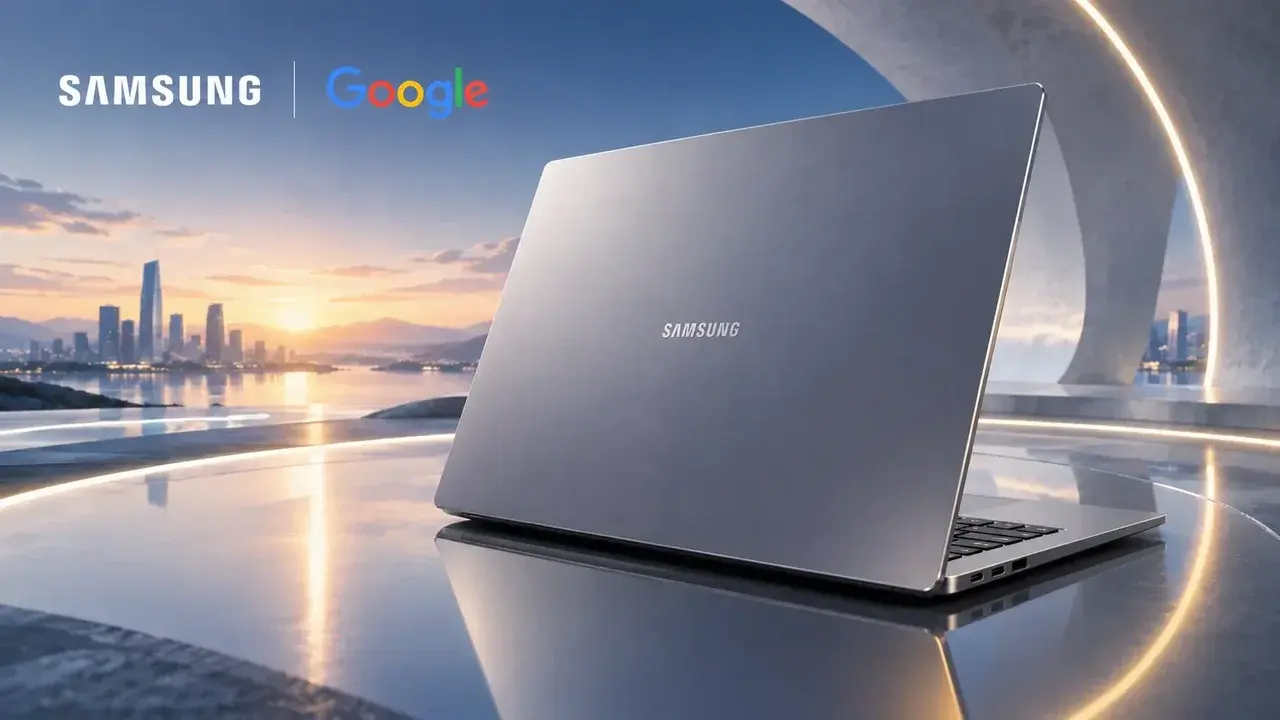
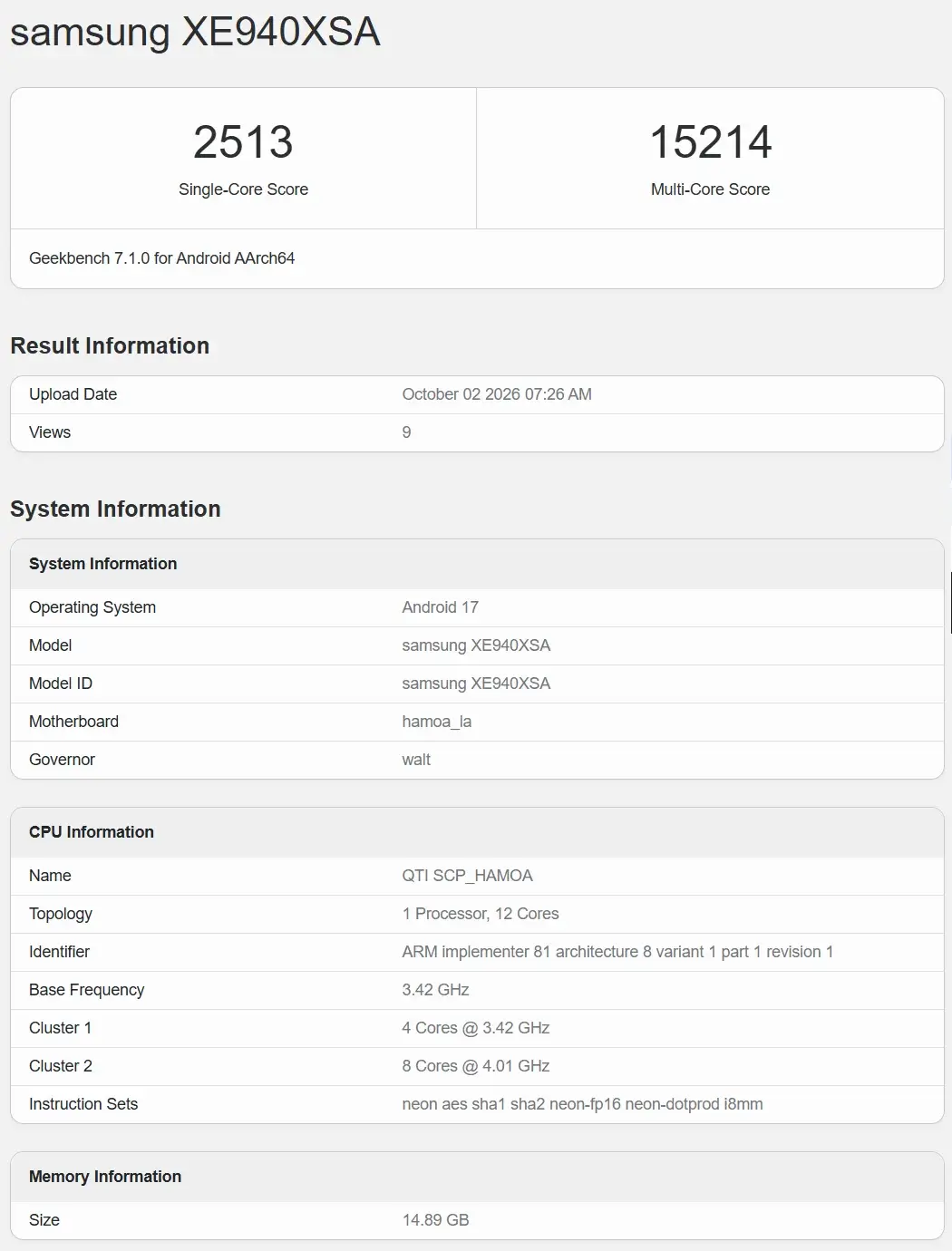
Samsung is expanding its portfolio by entering the Googlebook market, as a new device model identified as XE940XSA has surfaced on the Geekbench 7.1.0 database. This upcoming laptop, which marks the tech giant’s first major foray into Google’s Android-based notebook ecosystem, was spotted undergoing performance testing. The benchmark results confirm that the device is powered by Qualcomm’s high-performance Snapdragon X Elite processor, signaling a strategic move for Samsung to diversify its computing offerings beyond the Windows platform. As the industry closely monitors the shift toward ARM-based architectures, this hardware integration suggests that Samsung intends to compete aggressively in the evolving Android laptop segment.
- The Samsung XE940XSA model utilizes the Qualcomm Snapdragon X Elite chipset to deliver enhanced computing performance.
- The device is equipped with 16GB of RAM and runs on the Android 17 operating system.
- Samsung aims to integrate its proprietary One UI interface into the standard Googlebook software experience.
- This hardware launch signifies Samsung’s broader strategy to establish a stronger presence across multiple operating system platforms.
Hardware Specifications Reveal High Performance
Technical data from the Geekbench listing indicates that the device operates using the Hamoa-codenamed Snapdragon X Elite chip. This processor architecture features 12 Oryon cores combined with an Adreno X1-85 graphics processing unit, built on a 4nm process. Specifically, the clock speeds recorded in the test reveal that the laptop utilizes the X1E-80-100 variant, a chip already favored by premium manufacturers like Dell and HP. While some observers expected Samsung to debut with the newer X2 series, the choice of the X Elite ensures proven stability for this initial Googlebook release.
Regarding memory and storage, the benchmark confirms the presence of 16GB of RAM, aligning the device with the current industry standards for high-end Android notebooks. Although official storage capacities remain unconfirmed, industry experts anticipate a 512GB configuration, matching existing market alternatives. 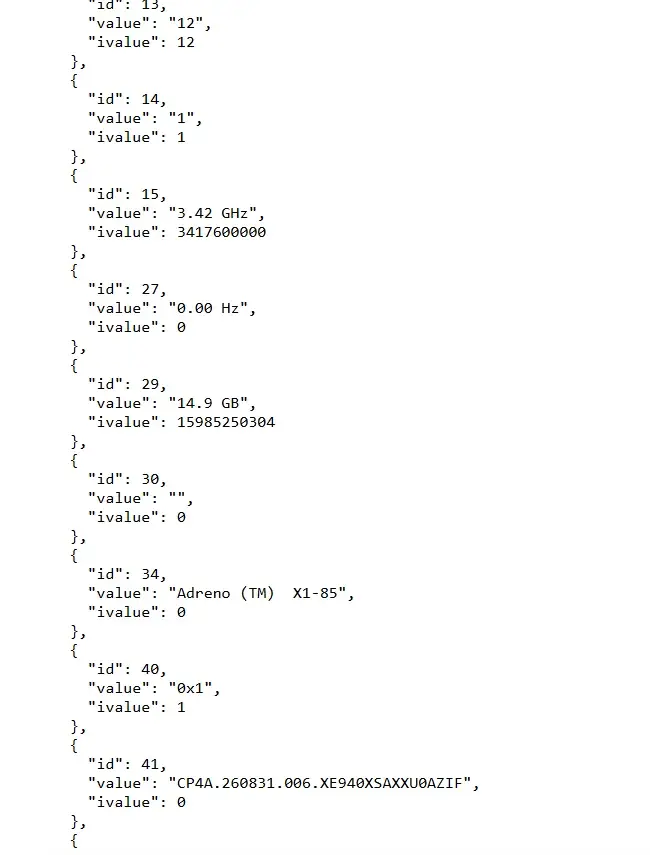 Furthermore, the device is verified to run on Android 17, which provides a specialized environment distinct from traditional ChromeOS experiences.
Strategic Implications for the Googlebook Ecosystem
The entry of Samsung into the Googlebook ecosystem intensifies competition among established manufacturers such as Asus, Acer, Lenovo, Dell, and HP. By adopting the Snapdragon X Elite, Samsung differentiates its offering from competitors who rely on Intel Core Ultra 5 processors. 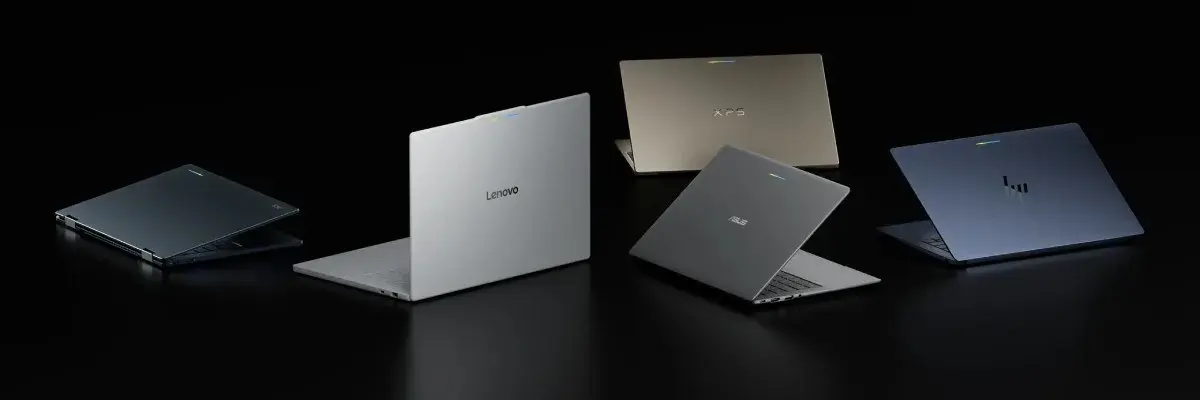 This move is consistent with the company’s historical trajectory, following its previous releases of the Windows-based Galaxy Book4 Edge and the subsequent transition to Snapdragon X2 Elite technology in the Galaxy Book6 Edge series.
While the product is currently identified by its model number, many analysts speculate that the final branding might adopt the familiar Galaxy Chromebook moniker. However, the unique integration of One UI customizations over the standard Googlebook interface remains the most anticipated feature for potential users. As the company refines its software strategy across different hardware platforms, this device could serve as a pivotal bridge between mobile-first experiences and traditional desktop productivity.
How do you feel about Samsung bringing its One UI experience to the Googlebook platform, and would you consider this as a replacement for your current laptop? Share your thoughts in the comments section below.
Your comment has been submitted,
it will be published after approval.