
Samsung Investigates Mysterious Red Stain on Galaxy S26 Ultra Displays

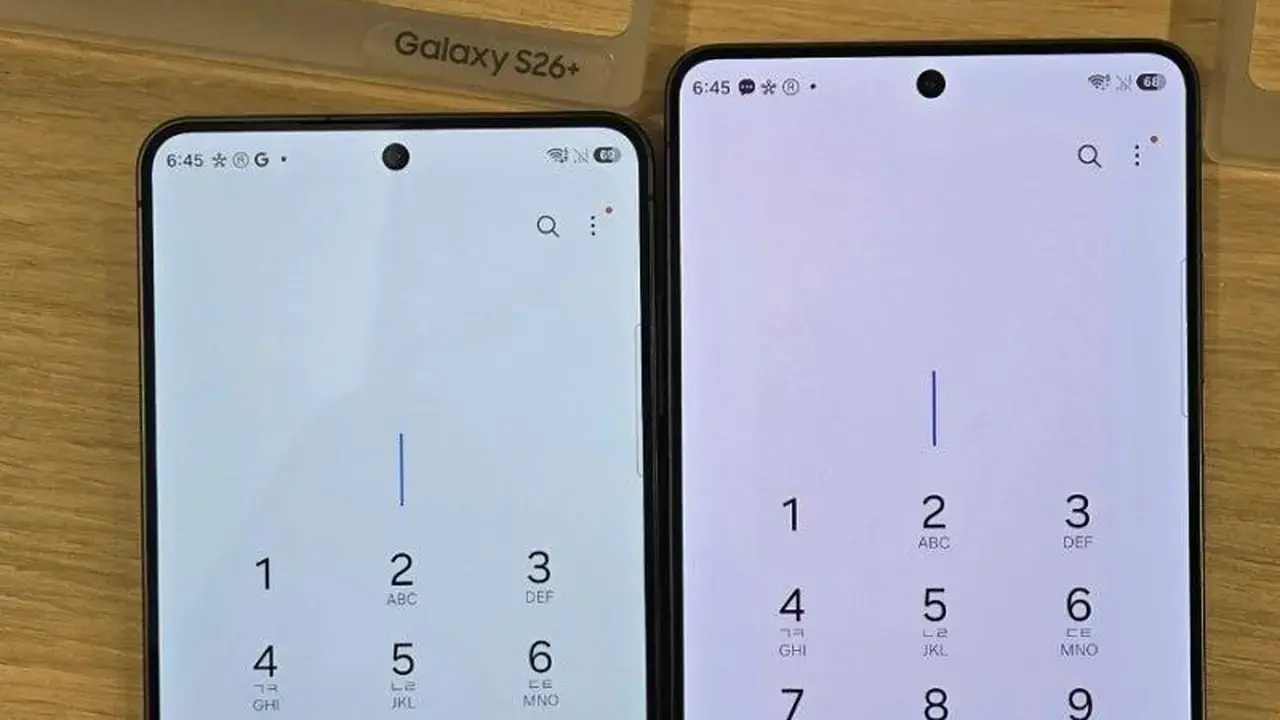
Samsung has officially launched a comprehensive internal investigation following reports from Galaxy S26 Ultra users regarding a persistent and concerning red stain appearing on their device screens. This technical defect, which typically manifests in the center of the display a few months after initial purchase, has triggered widespread concern among premium smartphone owners globally. As the Galaxy S26 Ultra represents the pinnacle of Samsung’s current mobile engineering, the emergence of this display anomaly shortly after launch has prompted the company to analyze its production lines and AMOLED panel quality control processes to determine if this is a systemic manufacturing flaw.
- Samsung has initiated an official inquiry to identify the root cause of the screen discoloration.
- Affected users report that the red stain typically surfaces after two to three months of regular device usage.
- Industry experts suggest that the specialized Privacy Display hardware may be contributing to the observed panel degradation.
The appearance of the red stain suggests a hardware-level irregularity rather than a standard software-based color deviation.
Privacy Display Technology Remains Under Scrutiny
A significant segment of the user community suspects that the issue might be linked to the proprietary Privacy Display technology integrated into the Galaxy S26 Ultra. This sophisticated system is designed to narrow viewing angles at the hardware level, effectively preventing unauthorized individuals from observing sensitive information from the sides of the device.
While this feature offers enhanced security for banking applications and private messaging, concerns are mounting regarding its long-term impact on the screen’s light-emitting diodes. Some technical theories circulating on online forums suggest that the layer responsible for restricting visibility may be causing uneven wear or thermal stress on specific segments of the AMOLED panel over time. 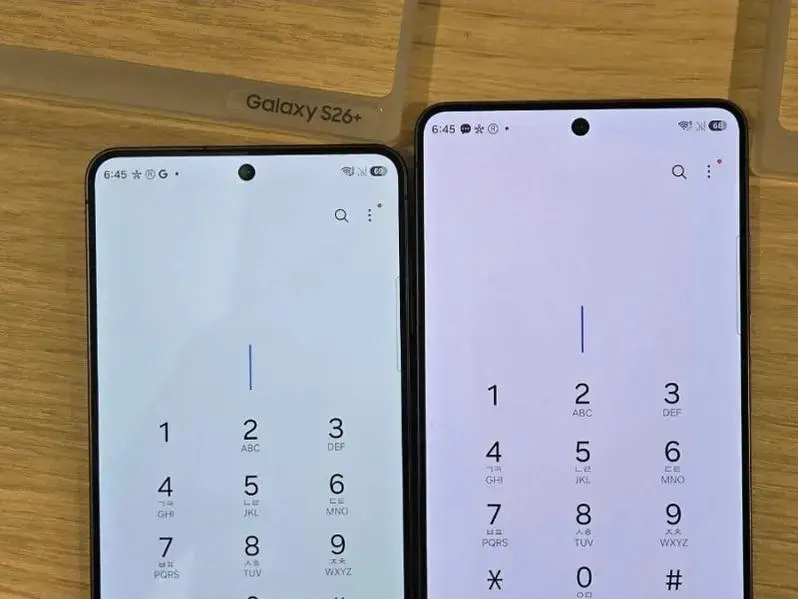
Although these theories are gaining traction among enthusiasts, Samsung has not yet confirmed any direct correlation between the Privacy Display feature and the reported red stain. The company maintains that all possibilities are being considered as they conduct their technical assessment.
Engineers Continue Their Detailed Analysis
Samsung officials have emphasized that they have not yet determined whether the defect is confined to a specific production batch or if it represents a broader design limitation. The company is currently performing a granular analysis of the panel architecture and the assembly processes used for the current flagship generation.
Samsung has not yet reached a definitive conclusion regarding potential manufacturing errors or underlying hardware vulnerabilities.
It is important to note that such hardware-related degradation generally cannot be rectified through standard firmware updates or user-configured color calibration settings. As users wait for further guidance, there is growing anticipation regarding whether the manufacturer will implement a formal replacement program for damaged units. Currently, the company has remained silent on whether affected customers will receive complimentary hardware repairs or full device replacements under warranty terms.
The tech industry is closely monitoring this situation, as the Galaxy S26 Ultra is positioned as one of the most capable smartphones on the market. Any failure in fundamental hardware components, especially in a premium device, carries the risk of damaging brand loyalty and long-term consumer trust. Consequently, Samsung is under significant pressure to provide a transparent and efficient resolution for those impacted by this screen issue.
Have you experienced this red stain issue on your Galaxy S26 Ultra, or have you noticed any other display irregularities? Please share your experiences and thoughts in the comments section below to help the community understand the scale of this problem.
Your comment has been submitted,
it will be published after approval.