
Samsung One UI 10 Promises a Radical Interface Transformation

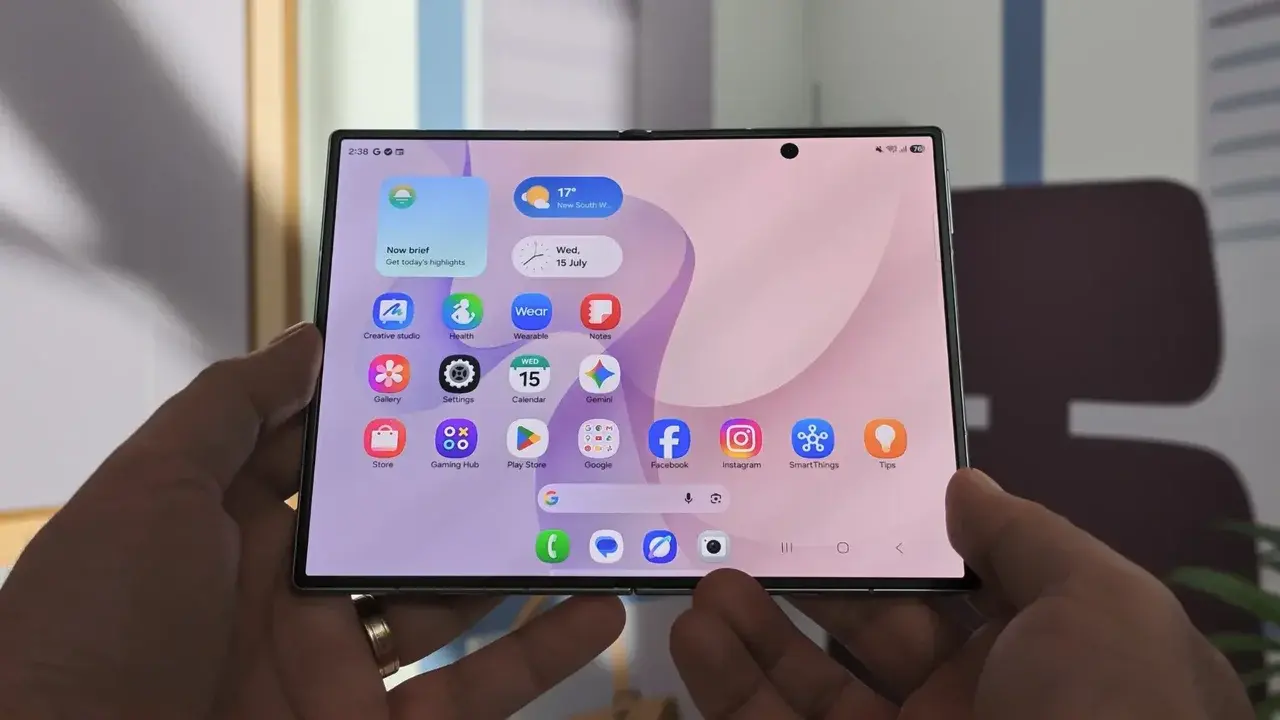
Samsung is preparing to fundamentally reshape the user experience with its upcoming software iteration, One UI 10. According to recent reports, the company intends to introduce an interface that prioritizes seamless cross-device interaction and streamlined navigation, marking one of the most significant software overhauls in the brand’s history. Industry insiders, including notable tech analysts, suggest that this update will move away from traditional app-centric silos toward a highly integrated ecosystem. While an official release date remains unconfirmed, industry speculation suggests that the Galaxy S28 series will serve as the primary platform for the debut of One UI 10, signaling a major strategic shift for Samsung’s mobile division.
- Samsung intends to replace app-centric navigation with an integrated, context-aware user experience.
- The update aims to minimize menu complexity by streamlining access to frequently used system functions.
- The company is exploring a subscription-based model for advanced, high-performance artificial intelligence tools.
- The new interface will likely debut alongside the upcoming Galaxy S28 smartphone series.
The Interface Moves Toward an Integrated Experience
The core objective of One UI 10 is to bridge the gap between disparate system utilities. Currently, users must frequently toggle between calendars, messaging platforms, and location services to coordinate simple tasks. Samsung plans to unify these services into a single, cohesive workflow. By reducing the number of hidden layers within the OS, the company intends to provide a more intuitive environment where data flows naturally between applications. This design philosophy aims to eliminate the friction that often accompanies complex mobile operations, allowing users to plan events or manage schedules without constantly switching screens.
The Ecosystem Becomes More Fluid Across Devices
Beyond the smartphone screen, Samsung is focused on enhancing the fluidity of its entire hardware ecosystem. The development team is reportedly prioritizing the transition between tablets, smartphones, and wearable devices to ensure a consistent experience regardless of the hardware in use. This ambition requires substantial technical optimization to maintain performance across different form factors. As the lines between these devices blur, the software layer must act as the glue that holds the user’s digital life together, ensuring that tasks started on one device can be completed effortlessly on another.
New Monetization Strategies Are Being Explored
One of the most discussed aspects of the upcoming update is the potential change in software monetization. While essential features of One UI 10 are expected to remain accessible to all users at no additional cost, Samsung is considering a tiered model for its advanced features. High-performance artificial intelligence capabilities, which require significant cloud processing power, may eventually be locked behind a subscription service. This move reflects a broader trend in the tech industry, where hardware manufacturers increasingly rely on software-as-a-service models to generate recurring revenue and support the heavy computational costs of modern AI infrastructure.
The Release Strategy Remains Under Consideration
While excitement builds regarding these radical changes, Samsung has yet to provide a definitive roadmap for the rollout of One UI 10. Current reports suggest that the company is bypassing the Galaxy Z Fold 9 as the primary launch vehicle, opting instead for the mainstream appeal of the Galaxy S28 series. This decision would allow Samsung to showcase its most experimental software innovations to its largest user base simultaneously. As development continues behind closed doors, the mobile community remains eager to see how these ambitious design goals translate into real-world performance.
We are eager to hear your thoughts on these upcoming changes. Do you believe a subscription model for advanced AI features is a fair trade-off for a more integrated interface, or would you prefer a more traditional software experience? Share your opinions in the comments section below.
Your comment has been submitted,
it will be published after approval.