
Samsung Plans to Integrate BOE Screens in Galaxy S27

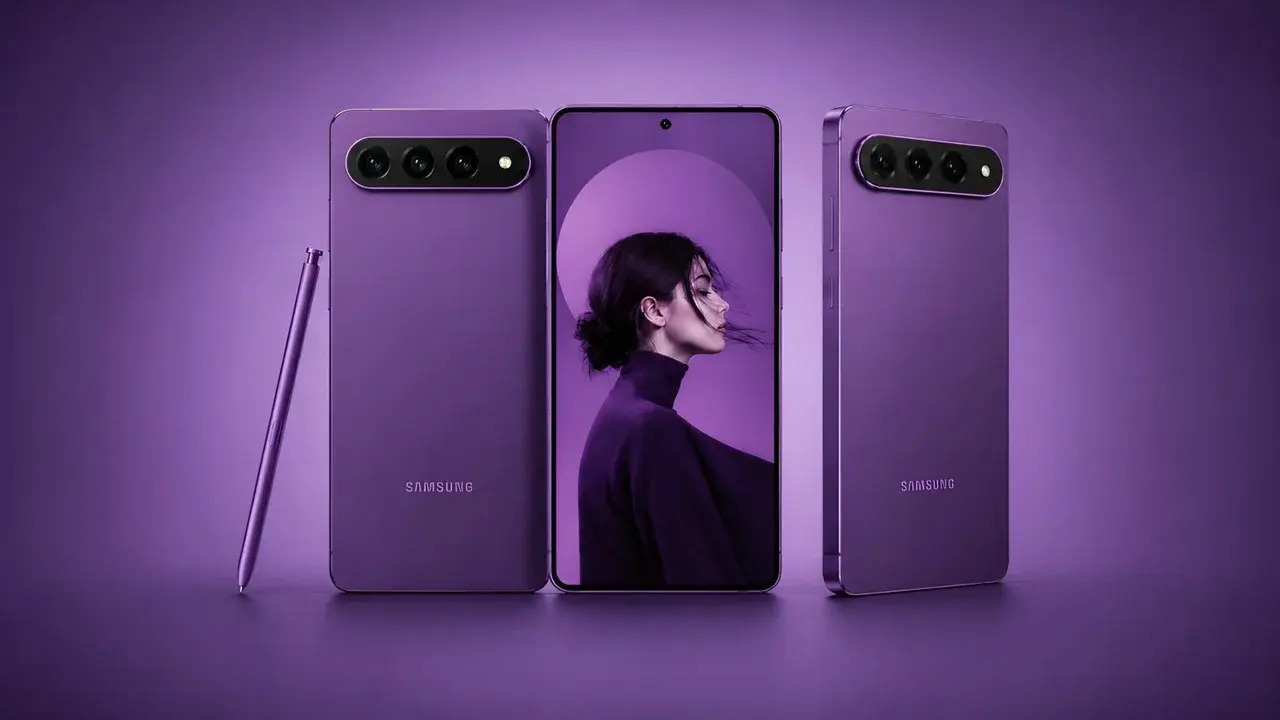
In a strategic shift to mitigate rising production expenditures, Samsung is reportedly planning to incorporate OLED display panels manufactured by the Chinese firm BOE into its entry-level Galaxy S27 model. As global memory chip costs continue to exert financial pressure on the tech giant, this initiative serves as a core effort to optimize profit margins for lower-tier devices. If the procurement process proceeds as expected, the Galaxy S27 series will mark the first instance of a Samsung flagship smartphone utilizing BOE display technology, signaling a significant transition in the company’s supply chain strategy for 2026.
- Samsung aims to lower production costs for the Galaxy S27 by diversifying its display panel suppliers.
- Executives from Samsung are scheduled to visit BOE facilities to negotiate technical requirements and supply terms.
- The potential adoption of BOE panels raises concerns among some users regarding long-term display reliability and quality control.
- BOE currently maintains a significant share of the global OLED market while supplying panels to other major industry competitors.
Samsung Seeks to Optimize Production Costs
The decision to explore a partnership with BOE stems from a broader necessity to navigate the challenging economic landscape of the mobile hardware industry. With the increasing price of mobile processors and memory modules, Samsung must find innovative ways to maintain competitive pricing without compromising its core performance standards. The company’s mobile division executives are reportedly preparing to visit BOE manufacturing sites this month to discuss potential commercial collaborations and evaluate the technical specifications of their OLED offerings.
This strategic pivot reflects the growing pressure on global manufacturers to balance high-end quality with cost-effective production methods.
Quality Concerns Create Potential Risks
Despite the potential financial benefits, the integration of third-party displays is met with caution by some segments of the consumer base. Historical instances of display defects, such as the emergence of green lines on certain devices, have led to skepticism regarding whether BOE panels can meet the stringent quality benchmarks established by Samsung’s internal display division. Maintaining brand reputation remains a paramount concern as the company navigates this transition.
BOE has established itself as a major player in the display market, accounting for approximately 25 percent of the global panel supply. The company is actively expanding its capabilities in LTPO OLED technology, which is essential for modern high-refresh-rate displays. Whether these panels can achieve the level of visual fidelity and durability expected by loyal Samsung users remains an open question for market analysts.
Competitive Dynamics Shape Future Decisions
The evolving landscape of the smartphone industry requires constant adaptation to competitive threats, particularly from rivals like Apple. By diversifying its supplier base, Samsung intends to enhance its supply chain resilience while keeping its entry-level flagship models accessible to a broader audience. The success of this move will largely depend on the rigorous testing phases that follow the initial procurement discussions. As the industry watches closely, the effectiveness of this partnership will be measured against the performance of the final product.
The upcoming Galaxy S27 release will serve as the ultimate test for Samsung’s new display procurement strategy.
We are interested to hear your perspective on this potential supplier shift; do you believe Samsung can maintain its display standards by partnering with BOE, or does this change concern you regarding device longevity? Please share your thoughts in the comments section below.
Your comment has been submitted,
it will be published after approval.