

In the OLED panel case between Samsung and China-based display manufacturer BOE, the U.S. International Trade Commission (ITC) issued a critical preliminary ruling in favor of Samsung. The ruling found that BOE violated Samsung’s trade secrets. The Commission ruled that BOE and seven of its subsidiaries improperly used Samsung Display’s confidential information. Consequently, a limited exclusion order was proposed to ban the import of BOE’s OLED panels and components into the US.
BOE may have stolen Samsung’s OLED technology
The ITC also filed a comprehensive cease-and-desist order, covering not only imports but also BOE’s activities such as promotion, sale, advertising, and distribution of products featuring this technology. This action directly targets BOE’s presence in the US market.
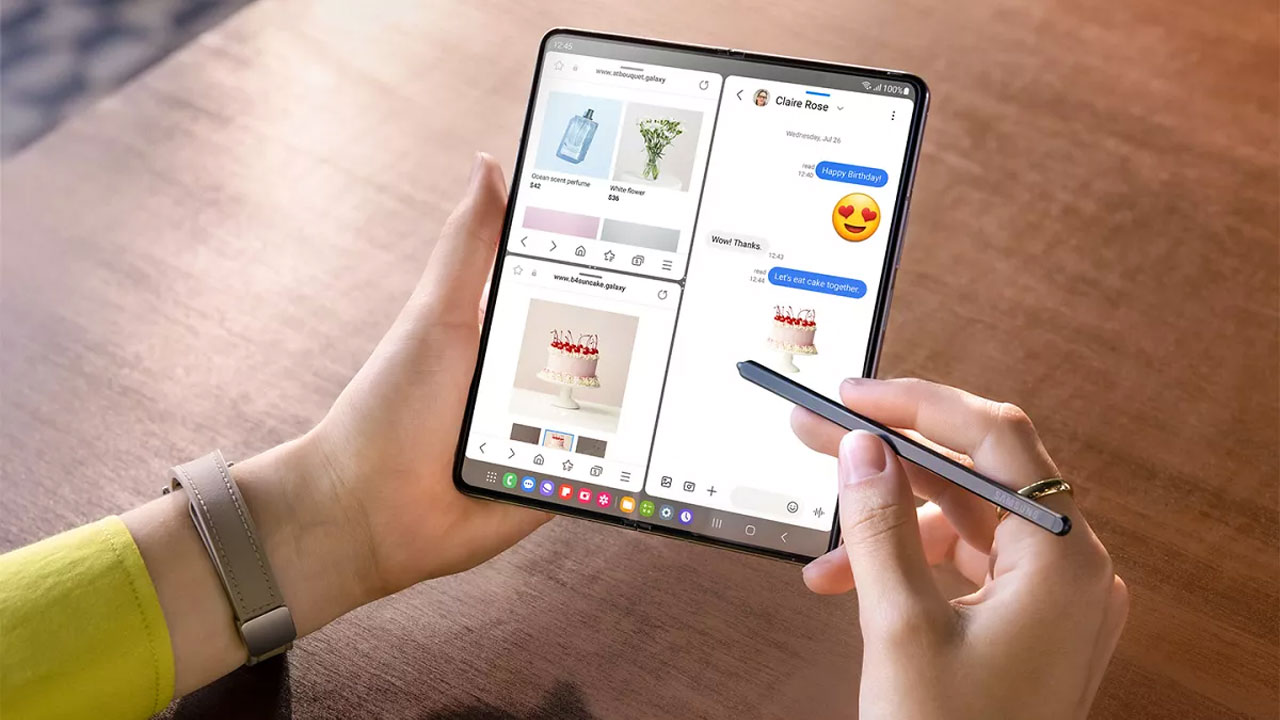
The impact of the ruling is not limited to BOE. Apple, which collaborated with BOE for affordable OLED panels, is also among the companies affected by this process. Apple, which relies on BOE panels, particularly for the iPhone 17e model, is facing potential import bans and is facing forced changes to its supply chain.
Turning to higher-cost suppliers like LG Display or Samsung instead of BOE could both increase Apple’s production costs and potentially impact product prices.
Apple had begun sourcing OLED panels from BOE for the Chinese market and activated the partnership after years of quality control. However, the ITC’s preliminary ruling has jeopardized this partnership. The company may be forced to restructure its supply plans.
For Samsung, this development not only protects its intellectual property rights but also represents a significant strategic advantage in the global display market. For BOE, the decision poses a serious threat to both its reputation and growth prospects. Export restrictions could not only limit its position in the US market but also restrict BOE’s international footprint if Samsung extends the decision to other countries.
The ITC’s decision is currently preliminary. The final decision is expected to be announced in November 2025. After that date, the US President has a 60-day veto power. However, given that this power has been rarely invoked, the likelihood of the decision becoming effective is considered high.