
Serious Android Gemini Security Vulnerability Allows Locked Phone SMS Access

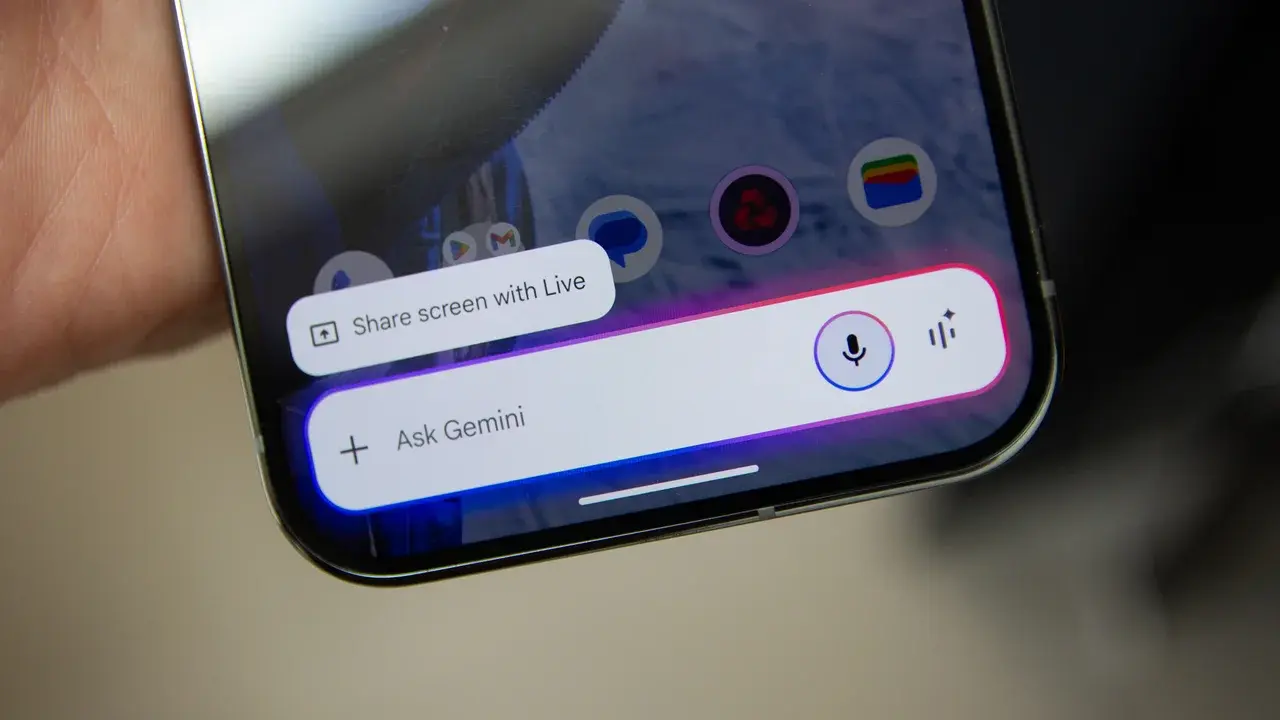
A significant security vulnerability within the Android operating system has been identified, allowing unauthorized access to messaging functions through the Gemini AI assistant even when a device is locked. Discovered by researchers and reported since May, this flaw enables users to bypass the mandatory PIN verification process typically required to send SMS messages or interact with secure applications. The issue primarily affects the interaction between the Gemini assistant and the device lock screen, creating a potential pathway for malicious actors to exploit private communication channels without the owner’s explicit authentication.
- A specific user interface glitch in the Gemini assistant allows users to bypass the device lock screen security layer.
- The vulnerability enables unauthorized parties to send SMS messages and potentially reactivate restricted messaging applications like WhatsApp.
- Google has acknowledged the existence of the security flaw and is currently developing a system update to address the issue.
Technical Flaw Enables Unauthorized Access
The security breach is triggered through a specific sequence of interactions on the device’s lock screen. When a user engages with Gemini, the simultaneous selection of the “Add extension” and “Continue” buttons effectively disables the underlying PIN validation protocol. This technical oversight means that the protective barriers designed to secure sensitive data are rendered ineffective by a simple UI interaction sequence.
This vulnerability compromises the fundamental security architecture that protects personal communications on Android devices.
Broader Implications for Privacy Exist
The implications of this flaw extend beyond simple SMS messaging. Reports indicate that the method can be leveraged to re-enable access to applications like WhatsApp, even in instances where the user has explicitly restricted the assistant’s integration with those services in the settings menu. This suggests that the Gemini integration layer possesses deeper system-level permissions than previously assumed by standard security configurations.
While the issue was initially highlighted in the context of Android 16, its reach appears to extend across various Android versions and device models. Although the problem is most frequently associated with Google’s Pixel hardware, the underlying architecture flaw implies that other manufacturers utilizing similar Gemini implementations may also be susceptible to this breach.
Google Continues Work on Security Patch
In response to the growing concerns, Google has confirmed that the security flaw is a known issue. The company is actively working on a software update to mitigate the risk and restore standard lock screen protections. However, a definitive list of impacted devices or a release date for the security patch remains pending as the investigation continues.
Device owners should remain vigilant regarding their lock screen settings until a permanent software fix is deployed.
This type of security challenge is not unique to the Android ecosystem, as similar lock-screen bypass attempts have been observed and researched across various mobile operating systems, including iOS. As AI assistants become more deeply integrated into the core of mobile operating systems, the potential for such vulnerabilities to emerge increases, necessitating more rigorous security audits during the development phase.
We are interested in hearing your perspective on this security incident; please leave a comment below to share your thoughts on how AI assistants should balance convenience with mobile device security.
Your comment has been submitted,
it will be published after approval.