
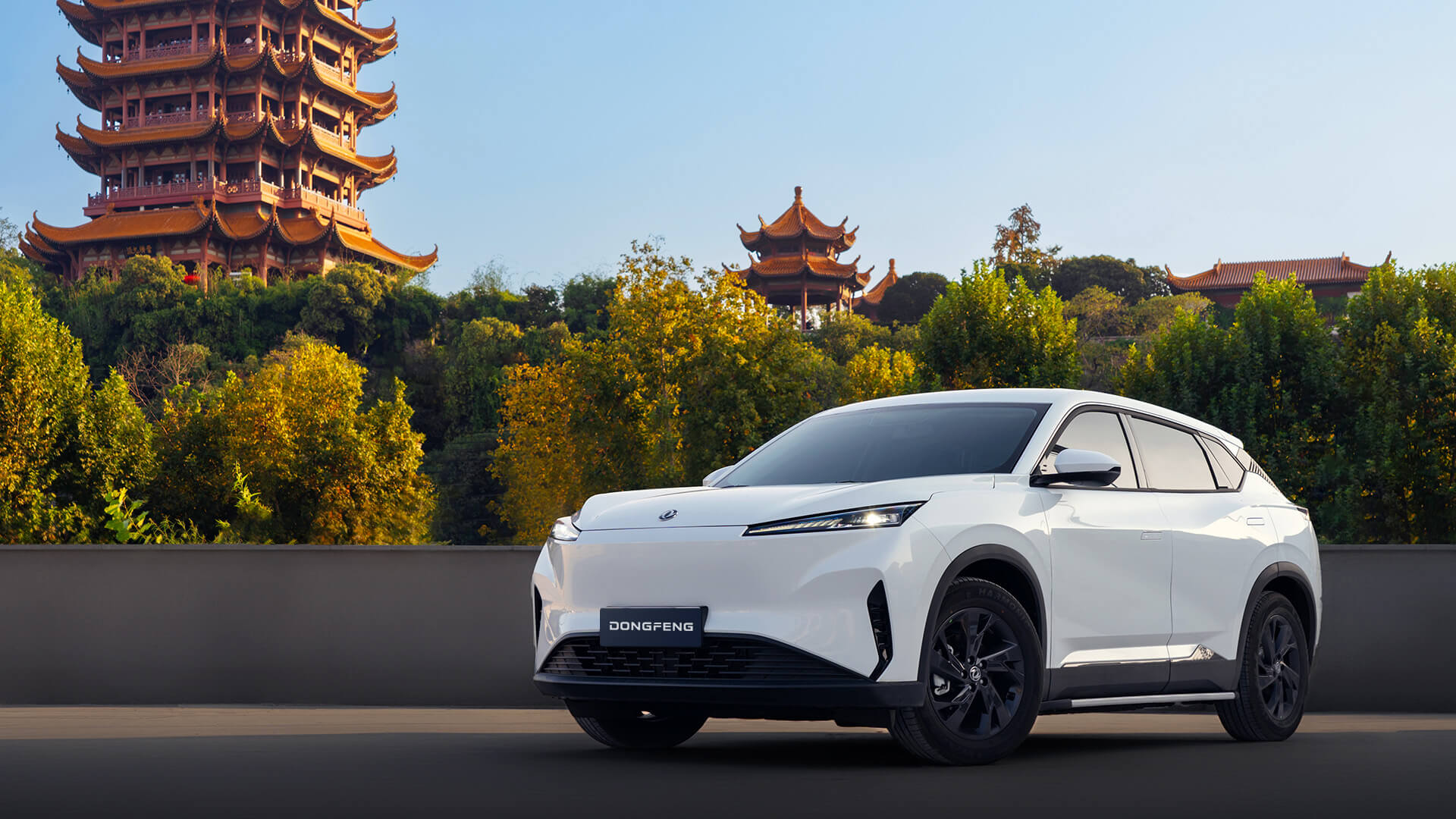
China has officially launched its first passenger vehicle that completely bypasses the US-based Global Positioning System (GPS). The new Sky EV01, developed by Dongfeng Motor, relies solely on China’s homegrown BeiDou satellite network, making it the first mass-market car to do so.
Sky EV01 uses BeiDou instead of GPS
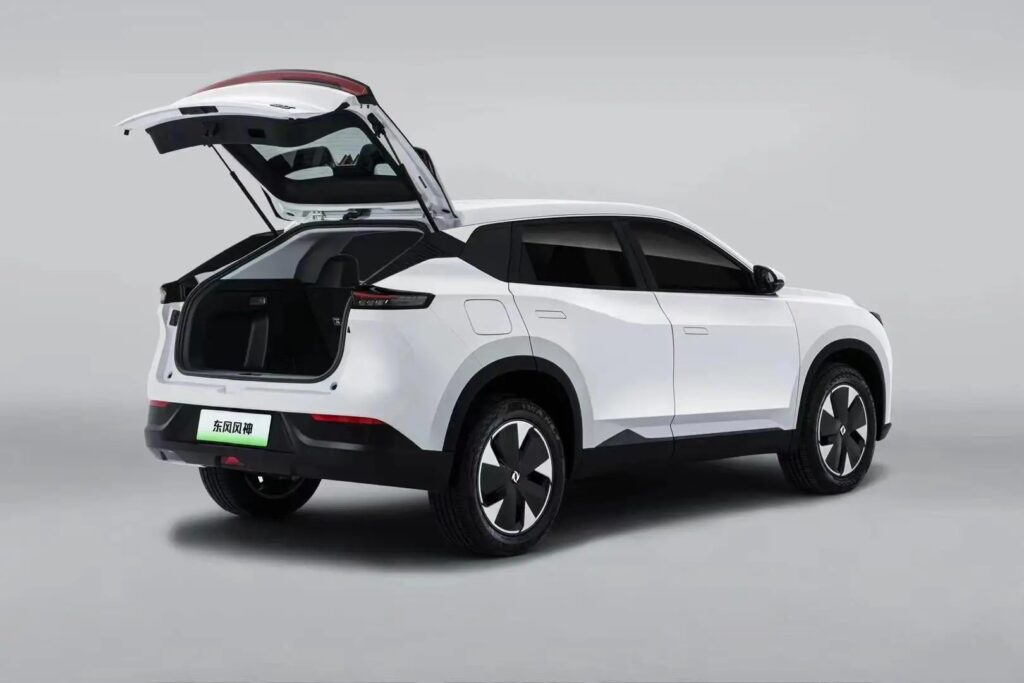
The Sky EV01 is a midrange electric SUV, starting at around $16,700 in China. While not a premium model, it makes a major leap in navigation autonomy. Instead of tapping into foreign systems like GPS, it communicates exclusively with BeiDou satellites, which now outnumber GPS satellites in orbit and offer two-way communication capabilities.
That two-way link allows not just pinpoint location tracking, but also the ability to send signals back a major asset in emergencies, especially in remote areas where traditional networks fail.

Galaxy S26 series images surface in One UI 8.5 beta, revealing design and Qi2 magnetic charging support, catching up with Apple and Google.
Sky EV01, a national security and privacy play
Dongfeng says the BeiDou-only system forms part of its “BeiDou+ strategy,” aimed at eliminating foreign data dependencies and enhancing vehicle information security. All location data including navigation history, destinations, and real-time tracking stays entirely within local Chinese systems.
The navigation chip, operating system, and backend architecture are all built to keep user data off international servers, avoiding potential external access risks.
Full localization gives drivers total data control
This move marks a full end-to-end localization of positioning data. From the chip level to the user interface, no part of the Sky EV01’s navigation stack relies on GPS or any other non-Chinese system. According to Dongfeng, this ensures that the vehicle’s whereabouts and travel data are fully secure, private, and under domestic control.
China enters elite navigation territory
With this launch, China becomes one of just four global powers capable of delivering large-scale, independent satellite navigation for consumer applications. The Sky EV01 doesn’t just represent a technological shift, it’s also a geopolitical milestone, cutting out reliance on US-controlled infrastructure for everyday mobility.
While the car itself is modest in specs, its deeper significance lies in what it leaves behind: the GPS tether. And with BeiDou’s tech maturing fast, more automakers may follow suit driving Chinese vehicles toward full autonomy, both on the road and in the data they generate.