
Skywell Electric Vehicle Fire Incidents Spark Serious Safety Concerns

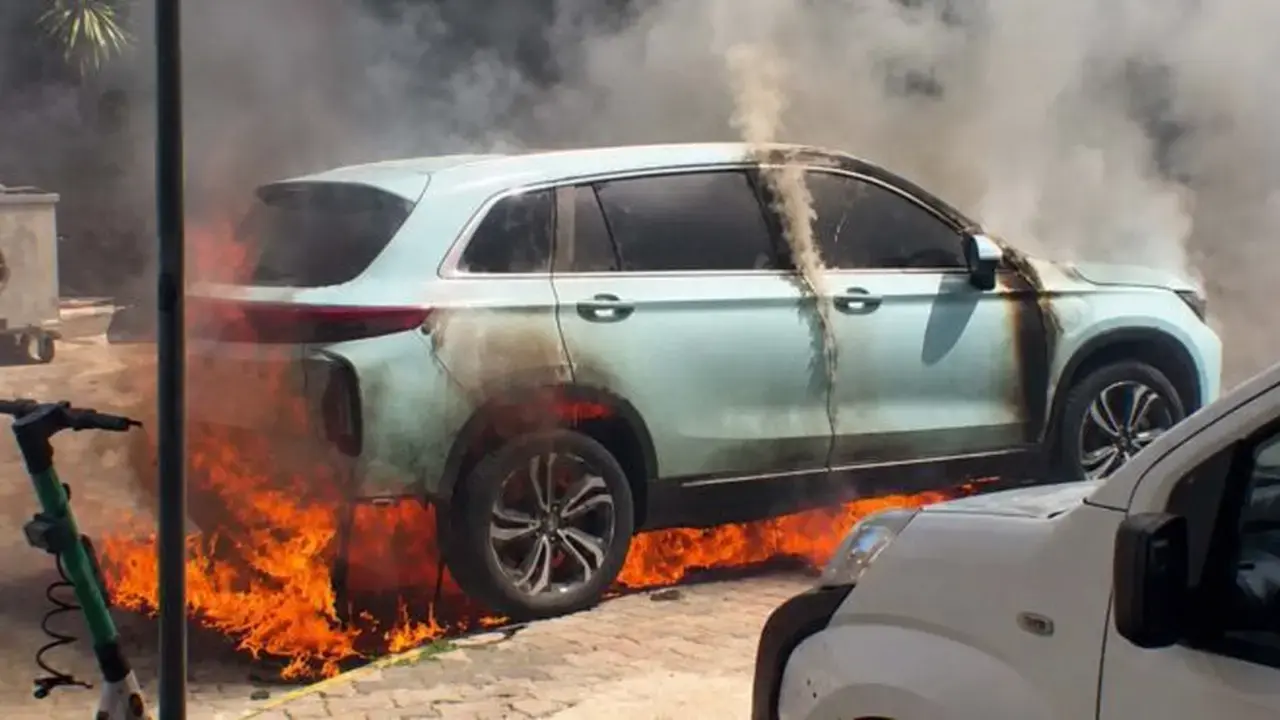
Skywell electric vehicle owners in Turkey are raising alarms following a series of unexplained fires involving the brand’s ET5 model while the cars were parked. Automotive journalist Taylan Ozgur Dil recently hosted Eser Yilmaz, a vehicle owner who shared his distressing experience after his car spontaneously caught fire despite having no history of accidents or unauthorized software modifications. This incident has ignited a heated debate regarding the safety and reliability of Skywell electric vehicles, leading to widespread concern among current owners about potential manufacturing defects and the effectiveness of the distributor’s post-incident response protocols in the region.
- Skywell electric vehicle owners report spontaneous fires occurring while their cars are parked and idle.
- Users allege that the distributor maintains a confrontational and uncooperative stance following reported fire incidents.
- Maintenance intervals in Turkey are significantly shorter than those required in European and Chinese markets.
- A specialized technical team from China is currently conducting an investigation into the cause of the fires in Turkey.
Owners Claim the Distributor Fails to Provide Adequate Support
Following the traumatic fire incident, Eser Yilmaz revealed that his interaction with the local distributor was characterized by tension and a lack of transparency. According to Yilmaz, the company demonstrated a dismissive attitude toward his significant financial and emotional losses. Many affected owners argue that the brand prioritizes avoiding liability over addressing technical flaws. [Video] The lack of clarity surrounding warranty coverage and authorized service procedures has left many customers feeling abandoned, forcing them to seek independent legal or technical solutions to protect their interests.
Discrepancies in Maintenance Schedules Cause Public Outcry
The operational standards for Skywell in Turkey have become a focal point of intense criticism, particularly regarding maintenance intervals. While the global standard, practiced in China and Europe, mandates servicing every 24 months or 40,000 kilometers, the local distributor has enforced a much stricter requirement of six months or 10,000 kilometers. Owners argue that these frequent service visits impose an unnecessary financial burden without providing tangible benefits to the vehicle’s longevity. Furthermore, the practice of charging fees for basic features, such as remote trunk opening via the vehicle’s interface, has significantly diminished overall customer satisfaction and brand loyalty.
Chinese Technical Team Conducts Extensive Safety Investigations
In response to the growing number of reports, a specialized technical delegation from the parent company in China has arrived in Turkey to conduct a comprehensive root-cause analysis of the ET5 fires. Taylan Ozgur Dil confirmed that these experts are currently performing on-site inspections to determine if there are inherent design flaws or safety risks within the battery management systems. [Video] The findings of this investigation are expected to be pivotal for the future of the brand in the Turkish automotive market. Owners are eagerly awaiting a transparent technical report that addresses these safety concerns and outlines concrete, long-term solutions to restore public confidence in the electric vehicle lineup.
Have you experienced any technical or safety-related issues with your electric vehicle, or are you concerned about the recent reports regarding Skywell? Please share your thoughts and experiences in the comments section below to help us continue this important discussion.
Your comment has been submitted,
it will be published after approval.