
Slopfix Launches to Clean Up AI-Generated Code Bloat

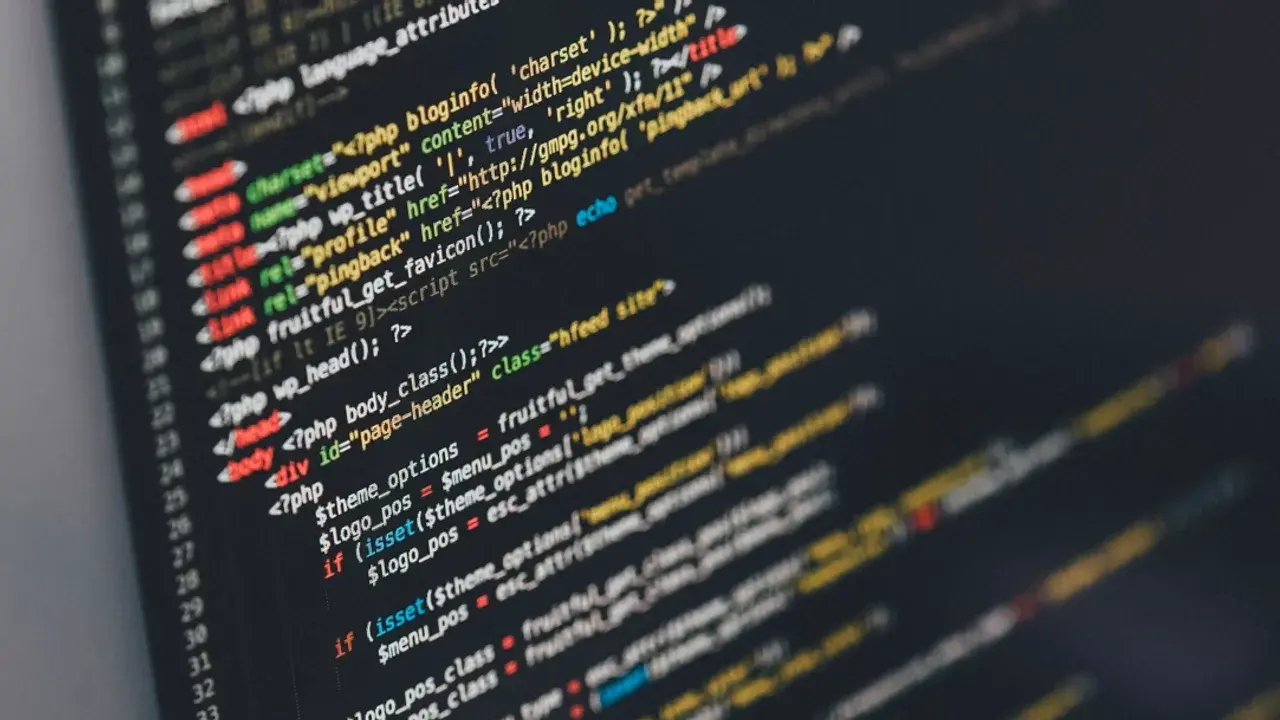
Software engineers Maciej, Kuba, and Krzysztof have officially launched Slopfix, a specialized consultancy firm designed to address the growing technical debt in projects heavily reliant on artificial intelligence. As companies increasingly integrate AI tools into their development workflows, they are encountering bloated, unmanageable codebases that threaten project stability and long-term maintenance. Based on the premise that AI-generated code often lacks logical coherence, the Slopfix team provides targeted refactoring services to streamline these complex digital structures. By aiming to reduce codebases by up to 65%, the team seeks to restore efficiency to software projects that have become overwhelmed by machine-generated redundancies.
- Slopfix promises to reduce AI-generated codebases by up to 65% to improve project sustainability.
- The firm utilizes the Claude Code tool to identify and rectify logical errors within existing software architectures.
- Clients pay a performance-based fee of $10,000 per week contingent upon reaching specific code reduction targets.
- The founders conduct a complimentary analysis to determine project viability before committing to any service agreement.
AI Tools are Utilized to Optimize Machine-Generated Code
The reliance on AI for rapid software development often results in a phenomenon where models lose track of logical context as projects expand. This technical degradation manifests as redundant functions, fragmented logic patterns, and the accumulation of unnecessary code blocks that complicate the developer experience.
Slopfix addresses these systemic inefficiencies by applying a rigorous, human-supervised audit process to every endpoint and screen within an application.

By leveraging Claude Code as an analytical assistant, the team at Slopfix identifies critical flaws that often escape initial automated reviews. However, the founders emphasize that artificial intelligence serves only as a diagnostic tool, while all final architectural decisions remain firmly in the hands of experienced human software engineers. This balance between automation and expert oversight ensures that the resulting code remains functional and secure. Furthermore, the company provides a two-week guarantee on all modifications, offering clients a safety net as they transition back to a streamlined development environment.
Performance-Based Models are Employed for Consultancy Fees
The pricing structure at Slopfix distinguishes it from traditional IT consulting firms. Rather than charging a flat, non-negotiable fee, the team operates on a success-oriented model. The $10,000 weekly rate is strictly tied to the achievement of pre-agreed code reduction benchmarks. If the team determines during their initial, free-of-charge assessment that a project does not meet the necessary criteria for effective refactoring, they will decline the contract entirely.
This unconventional approach prioritizes tangible results over billable hours in a rapidly evolving software industry.
As the adoption of generative AI in programming continues to grow, so does the volume of technical debt within global enterprises. Industry experts anticipate that demand for specialized remediation services will increase as organizations grapple with the consequences of unvetted AI output. Whether this trend will lead to a new standard in software maintenance remains a subject of intense debate among developers and project managers alike.
We are curious about your professional perspective on this trend. Do you believe that specialized services like Slopfix are essential for the future of software development, or should companies focus on better internal AI governance? Please share your thoughts in the comments section below.
Your comment has been submitted,
it will be published after approval.