

The rapid spread of AI technologies is causing a global shortage in the memory chip market, leading to a significant increase in smartphone prices by 2026. A new research note published Tuesday by Counterpoint Research reveals that due to rising costs, the average retail price of smartphones will increase by 6.9 percent, nearly double the previous expectation of a 3.6 percent increase.
Smartphone prices will rise
The research firm also expects this to negatively impact global smartphone shipments, with a 2.1 percent drop in shipments by 2026. This decline contradicts previous expectations of stagnant or positive growth. While shipment figures don’t directly represent final sales, they are considered a significant indicator of market demand as they track the quantity of devices sent to sales channels.

The main reason for the price increase is identified as specific chip shortages and bottlenecks in the semiconductor supply chain. The acceleration of data center construction worldwide has increased demand for systems developed by Nvidia.
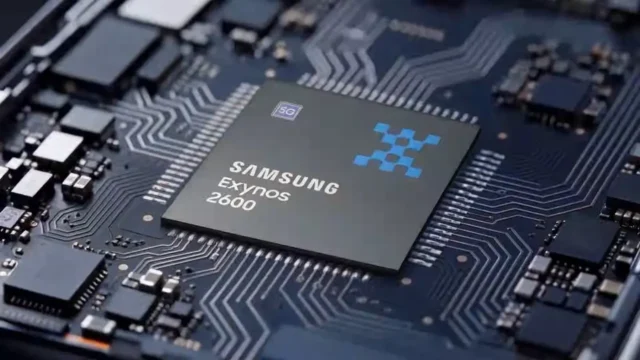
These systems use components manufactured by SK Hynix and Samsung, the largest memory chip suppliers. DRAM chips, which play a critical role, especially in AI data centers, are also an indispensable component for smartphones. Due to demand exceeding supply, DRAM prices have risen sharply this year.
According to Counterpoint data, in the lower-segment smartphones under $200, the cost of manufacturing a device (bill of materials cost or BoM) has increased by 20% to 30% since the beginning of the year. In the mid-to-high-end smartphone segment, the increase in material costs has been between 10% and 15%.
The research firm predicts that memory prices could increase by another 40% during the second quarter of 2026, which could push BoM costs up by more than 8% to 15% above current high levels. The reflection of these rising component costs to the consumer is triggering an overall increase in the average selling price.