

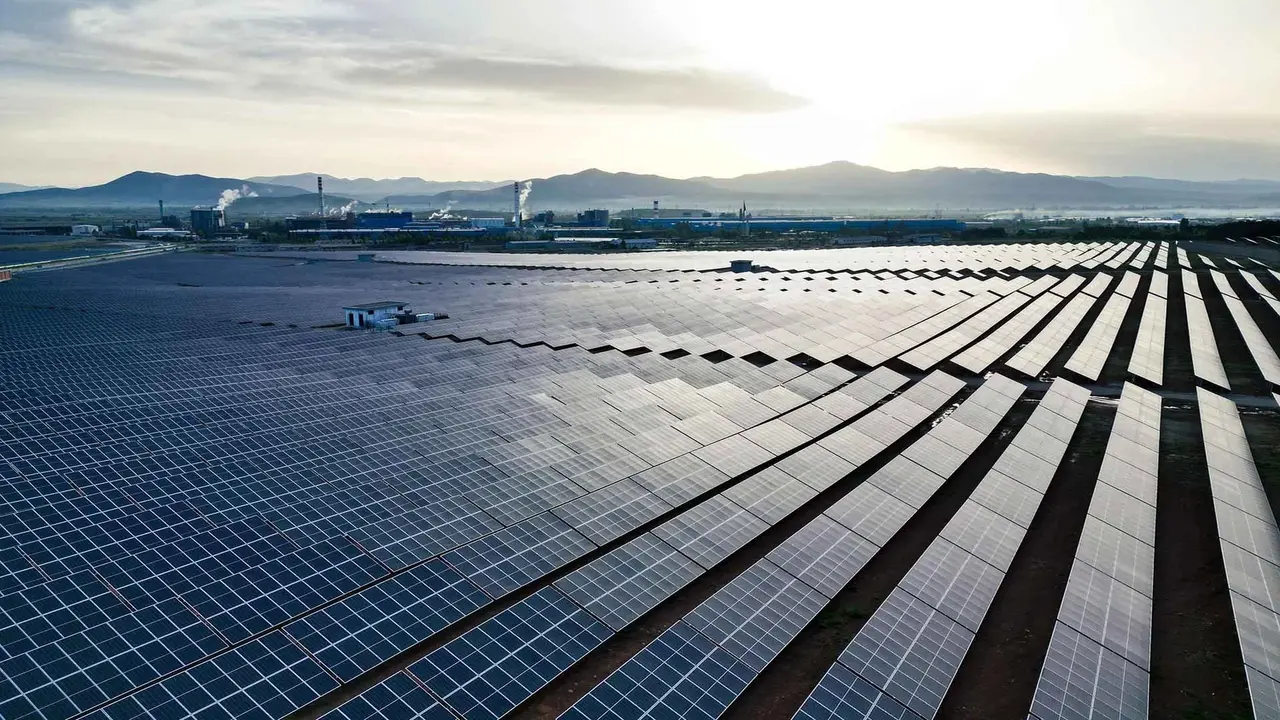
While solar power generation in Europe has reached record levels, electricity prices have fallen below zero in many countries due to excess supply. According to Montel Analytics’ Q2 2025 report, the number of negative price hours is increasing rapidly in almost all European countries. The primary reason for this is the lack of adequate energy storage infrastructure despite the rapid increase in renewable energy production.
Solar energy breaks records in Europe
In the six months leading up to the end of June, Sweden’s SE2 region experienced the highest number of negative price hours across Europe. Electricity prices were negative for a total of 506 hours in this region. Spain came in second with 459 hours. It was followed by the Netherlands with 408 hours, Germany with 389 hours, France and Finland with 363 hours, Belgium with 361 hours, and Denmark with 326 hours.
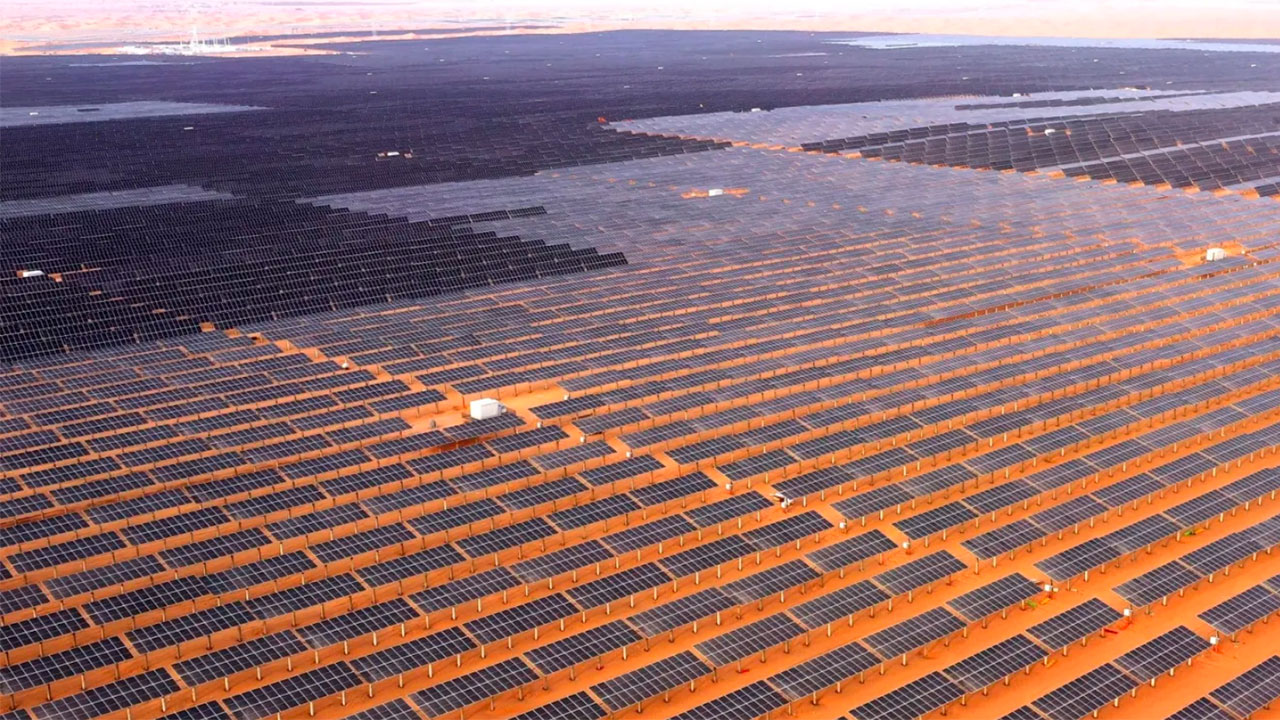
The report emphasized that this excess supply has not been integrated into the system due to limited available storage capacity and insufficient demand flexibility. The failure of consumption to grow in line with production growth disrupts the supply-demand balance. Solar energy production, particularly peaking in the afternoon, is causing sharp price drops in some countries.
Montel Analytics Director Jean-Paul Harreman stated that negative prices are expected to reach new records in the third quarter. According to Harreman, prices in countries like Germany, the Netherlands, and Belgium will continue to fall below zero in the afternoon due to solar power. However, electricity prices are expected to rise again in the evening due to the increase in fossil fuel capacity.
A similar pattern is beginning to emerge in Southeastern Europe. However, inadequate cross-border connections and infrastructure deficiencies in this region prevent the region from fully benefiting from low prices in neighboring markets. With the growth of renewable energy investments, the need for storage and grid modernization is becoming increasingly critical.