

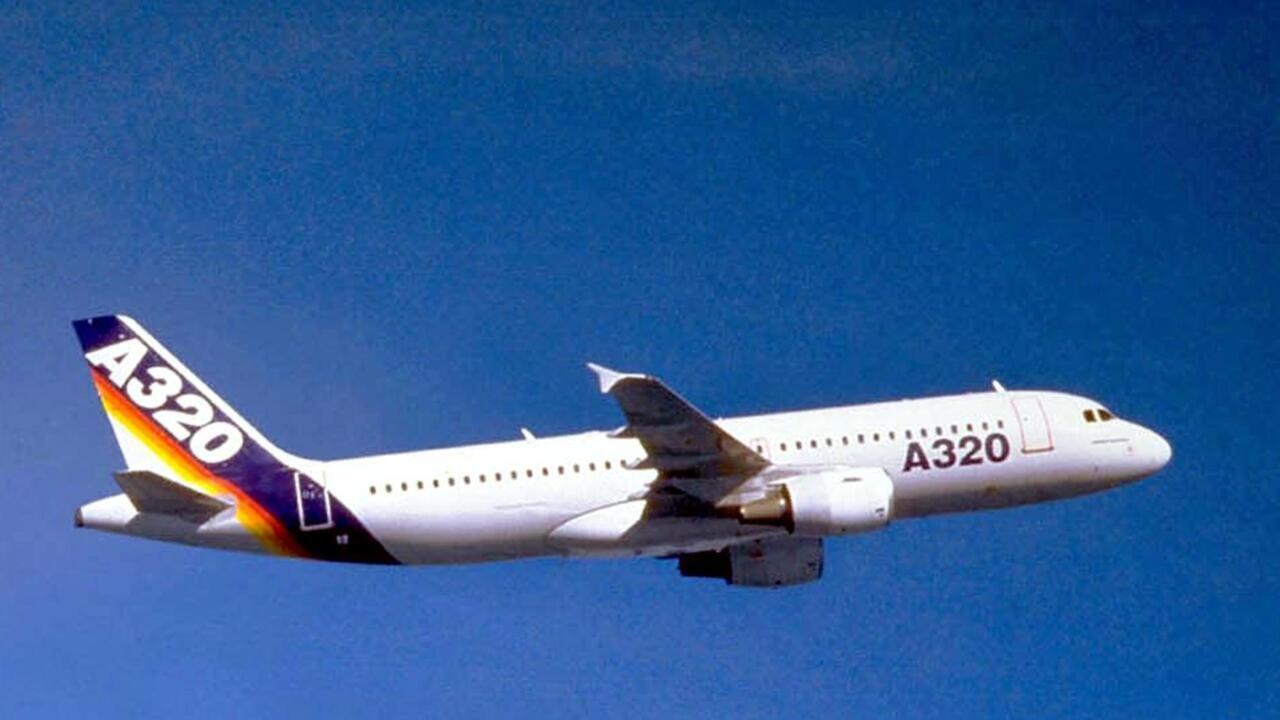
Airbus, a major aviation giant, recalled thousands of its A320 family aircraft over the weekend for a software fix. In what has been described as one of the biggest directives in the company’s history, the A320 models, which have surpassed the Boeing 737 as the most-delivered jet in history, were put under the spotlight. At the heart of this widespread recall lies a rather curious cause: solar radiation affecting aircraft systems. Airbus CEO Guillaume Faury openly stated that this situation has caused significant logistical challenges and delays.
Major Airbus Recall: Solar Radiation Damaged Software
The recall decision has impacted airlines worldwide to varying degrees. Colombian airline Avianca, in particular, reported that over 70% of its fleet was affected by the issue and that it had to suspend ticket sales for flights through December 8th. In the US, the impact was more limited; Delta and United experienced minor disruptions to their operations, while American Airlines announced that all 209 affected aircraft have received the necessary software fix.
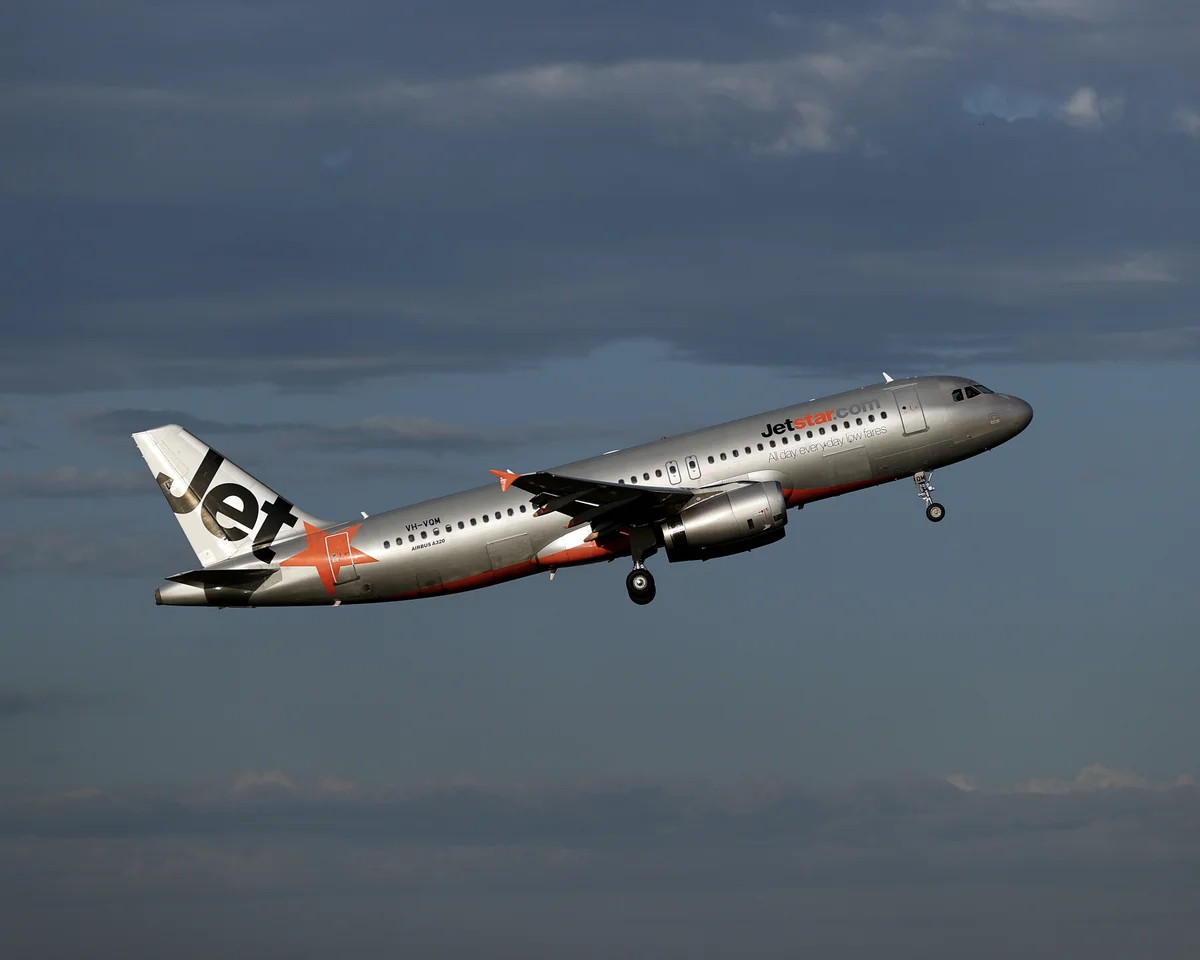
While US airspace has been spared a major crisis, the severity of the problem was highlighted by an incident in October. An Airbus A320 operated by JetBlue suddenly lost altitude en route from Mexico to New Jersey and was diverted to Tampa, Florida, for an emergency landing. Airbus announced that it had determined that intense solar radiation could corrupt critical data for flight controls. According to FAA directives, the ELAC (elevator aileron computer), which controls the aircraft’s nose angle, malfunctioned on the flight in question.
Airbus engineers believe that the intense electromagnetic radiation generated by solar flares corrupted the data and caused the ELAC system to malfunction, causing the aircraft to dive suddenly. Resolving the issue requires a relatively rapid rollback to an older software version before the aircraft can take off again. However, it has been noted that some jets may need to have their hardware completely replaced.
While solar radiation remains a serious problem for the aviation industry, solar activity has also been increasing recently. Researchers indicate that there has been a gradual increase in activity since 2008, and that the Sun may be entering an unexpectedly active phase. Last month, Earth was hit by intense solar flares capable of triggering radio outages. Experts emphasize that giant sunspots have been producing flares for weeks and that there is no reason for this activity to decrease. They also warn that a large sunspot is heading toward Earth, and that future flares could cause geomagnetic disruptions.
What are your thoughts on the significant impact solar flares have on the technologies we use in our daily lives and travel safety?