
SpaceX Falcon 9 Rocket Debris Impacts the Lunar Surface

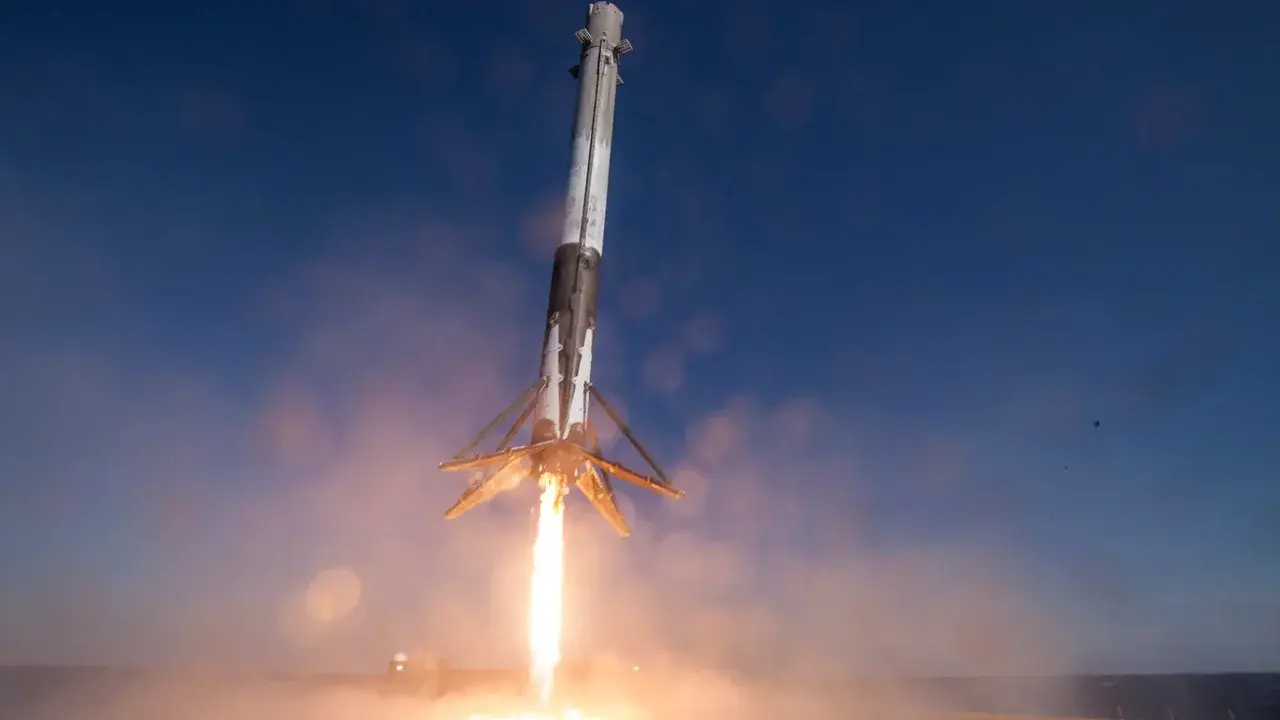
An abandoned upper stage of a SpaceX Falcon 9 rocket, which was launched in January of last year, successfully impacted the lunar surface this past Wednesday at approximately 02:35. After drifting through space for roughly 18 months, the discarded hardware struck the moon near the Einstein Crater on the western side. This event, which was closely monitored by global space agencies, was the result of gravitational influences from the Earth, the moon, and solar winds rather than a planned mission trajectory. NASA and the Korea Pathfinder Lunar Orbiter tracked the collision to capture data on the resulting lunar impact.
- The SpaceX Falcon 9 rocket stage created a crater measuring approximately 18 meters in width and 3.5 meters in depth.
- Scientific institutions utilized the Lunar Reconnaissance Orbiter to document the atmospheric dust cloud generated by the impact.
- NASA maintains that the presence of space debris on the lunar surface does not currently hinder operational goals.
The massive rocket stage struck the lunar surface with the force of a heavy-duty truck, leaving a permanent mark on the moon.
Researchers Analyze the Impact Effects
The collision of the rocket stage, which is roughly the size of a five-story building, provided a rare opportunity for planetary scientists to observe high-velocity impacts on the moon. Because the lunar environment lacks an atmosphere to burn up incoming debris, the surface is constantly subject to meteoroid bombardment. NASA experts suggest that the data gathered from this specific event will help refine models for how man-made materials interact with the lunar regolith.
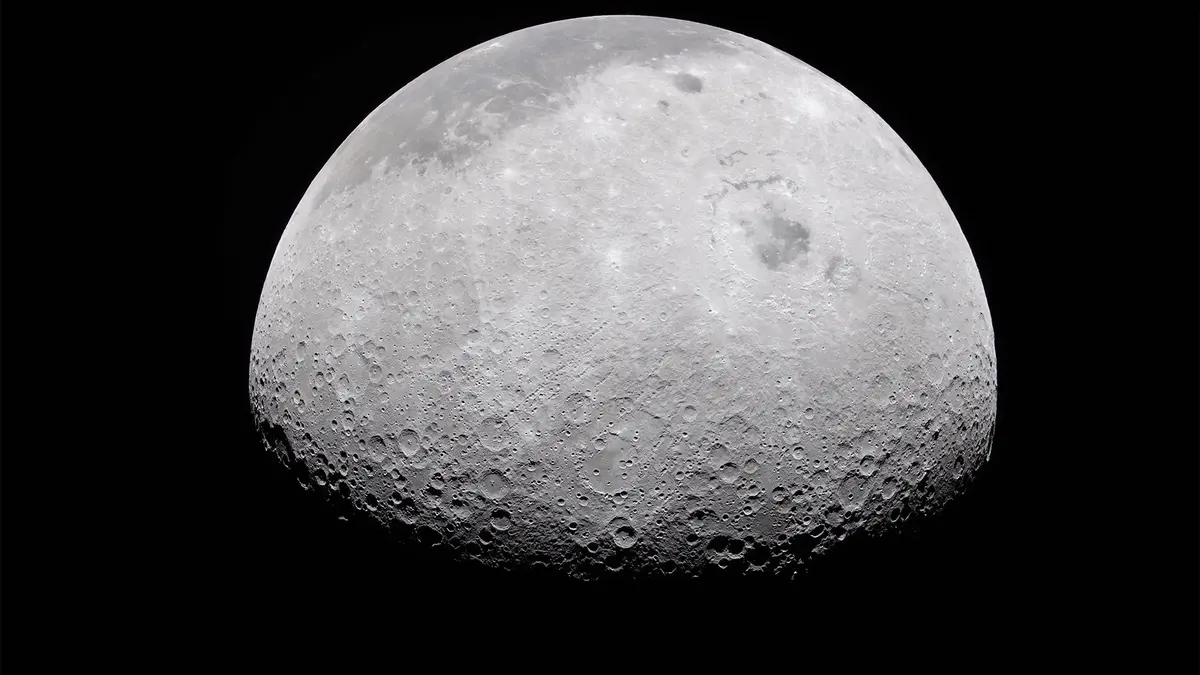
While the impact was not intentionally targeted, it joins a growing list of human-made objects that have settled on the moon. NASA has indicated that they intend to release imagery of the crater site within the coming days. The primary focus of the analysis remains on the dust plume and the geological displacement caused by the kinetic energy of the rocket section during the final seconds of its descent.
Experts Debate Space Debris Regulations
The incident has reinvigorated international conversations regarding the management of space debris in low Earth orbit and beyond. With the frequency of launches increasing globally, particularly as companies like SpaceX ramp up their operations, the density of objects in space has become a significant concern for international regulatory bodies. Some experts argue that existing policies are insufficient to handle the volume of hardware left in orbit following mission completion.
Stricter international guidelines for orbital cleanup are becoming a necessity for future space exploration safety.
Conversely, many space agencies view these impacts as a manageable aspect of space exploration. By utilizing controlled disposal methods, operators can ensure that debris remains traceable. Despite these concerns, NASA emphasizes that the current frequency of such events does not pose an immediate danger to future human missions or ongoing satellite operations. However, the long-term sustainability of space travel will likely necessitate more robust disposal techniques.
Safety Standards Evolve for Future Missions
As plans for permanent lunar bases and increased human presence on the moon progress, the management of space traffic becomes a top priority. Agencies are currently evaluating how to better mitigate the risks associated with spent rocket stages and other abandoned hardware. Future missions are expected to incorporate more sophisticated orbital departure strategies to ensure that debris is either safely deorbited or relegated to harmless trajectories.
We would love to hear your thoughts on this situation; do you believe that international space agencies should implement stricter regulations regarding the disposal of rocket components in deep space?
Your comment has been submitted,
it will be published after approval.