
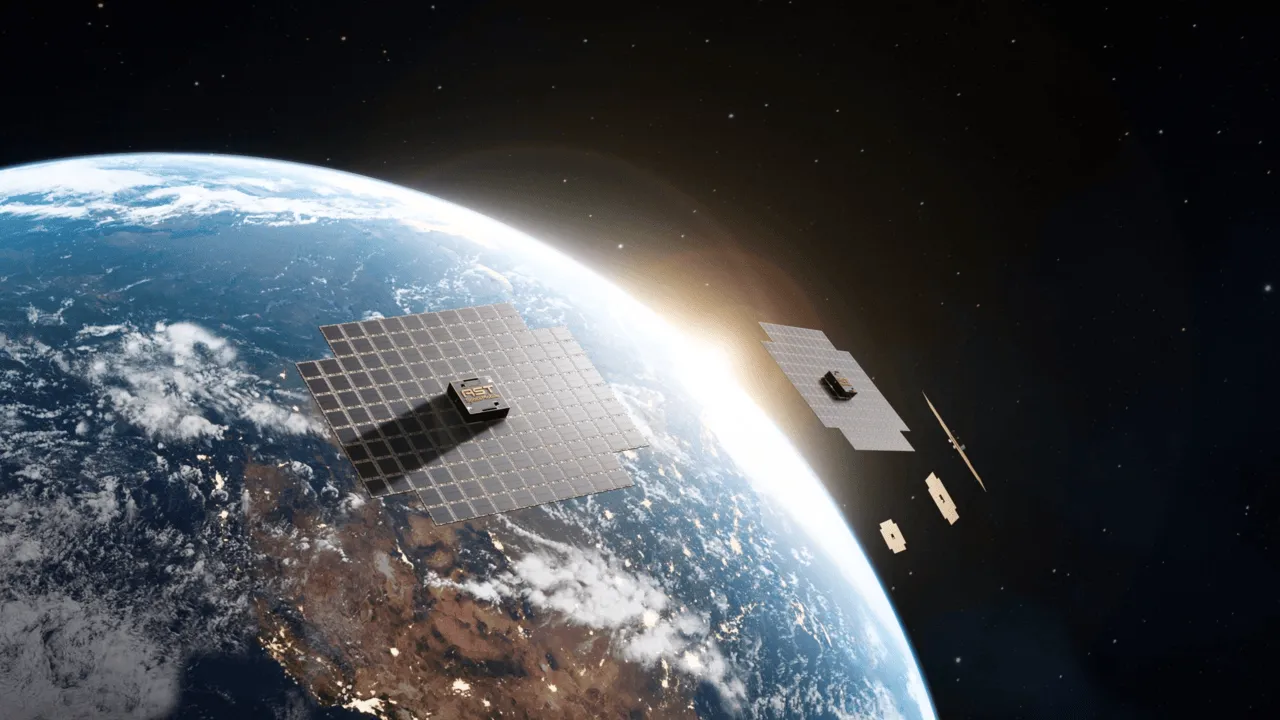
Texas-based technology startup AST SpaceMobile has successfully launched its next-generation satellite, BlueBird 6, which holds the title of the largest commercial satellite in orbit. Carried into orbit by an LVM3 rocket from the Satish Dhawan Space Centre in India, this massive satellite is seen as a key component of the company’s goal to create a space-based cellular broadband network. Aiming to directly compete with SpaceX’s Starlink project, the company has taken a significant step in the coverage race with this launch.
Internet from space for standard phones: BlueBird 6 in orbit
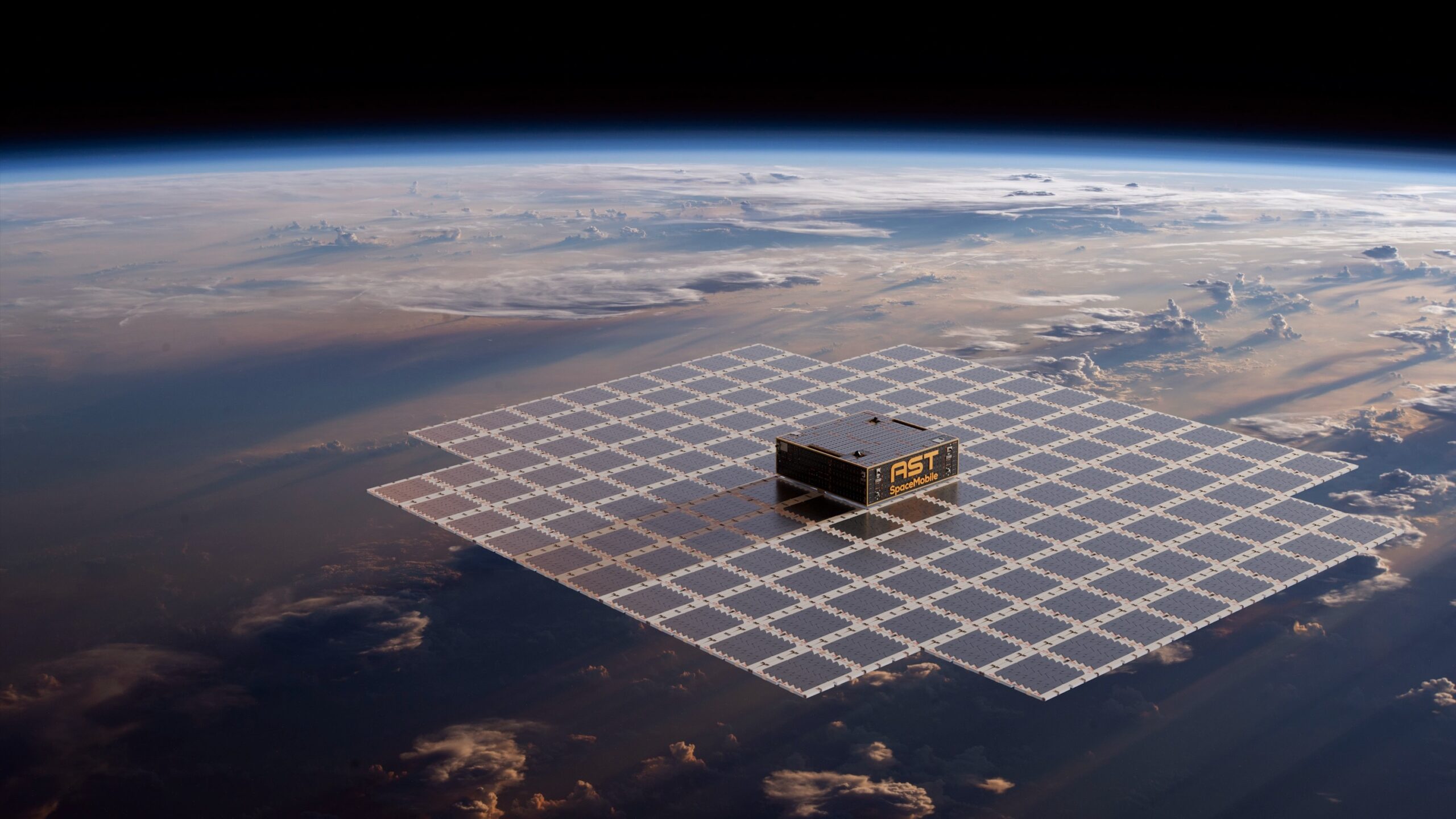
The launched BlueBird 6 satellite is approximately three times larger than its predecessors. When fully deployed in orbit, the satellite will cover a massive area of approximately 223 square meters. This large antenna array is critical for enabling direct connectivity to mobile phones from space. The company states that this technology can work with standard smartphones without requiring any additional hardware.
AST SpaceMobile, in past tests with its prototype satellite BlueWalker 3, made the first 5G phone call from space using a standard Samsung Galaxy S22. The new generation of BlueBird satellites is said to have much higher capacity. Each satellite is planned to offer 10 gigahertz bandwidth and a data rate of 120 megabytes per second per phone. The company aims to launch 45 to 60 more of these advanced satellites by the end of 2026 and provide service in various markets, primarily the United States.
SpaceX, the industry leader, currently has over 9,000 satellites, representing approximately 60% of all satellites in orbit. However, AST SpaceMobile is trying to stand out with its direct-to-cell service advantage. A legal dispute, as well as a technological one, exists between the two companies. SpaceX has filed a complaint with the Federal Communications Commission (FCC) alleging that its competitor’s satellites threaten orbital safety, while AST accuses SpaceX of trying to intimidate its rivals. Furthermore, the fact that both companies’ satellites fill the sky is criticized by astronomers for hindering nighttime observations.
So, what are your thoughts on this new satellite technology and direct communication from space? Could it replace standard operators in the future?