
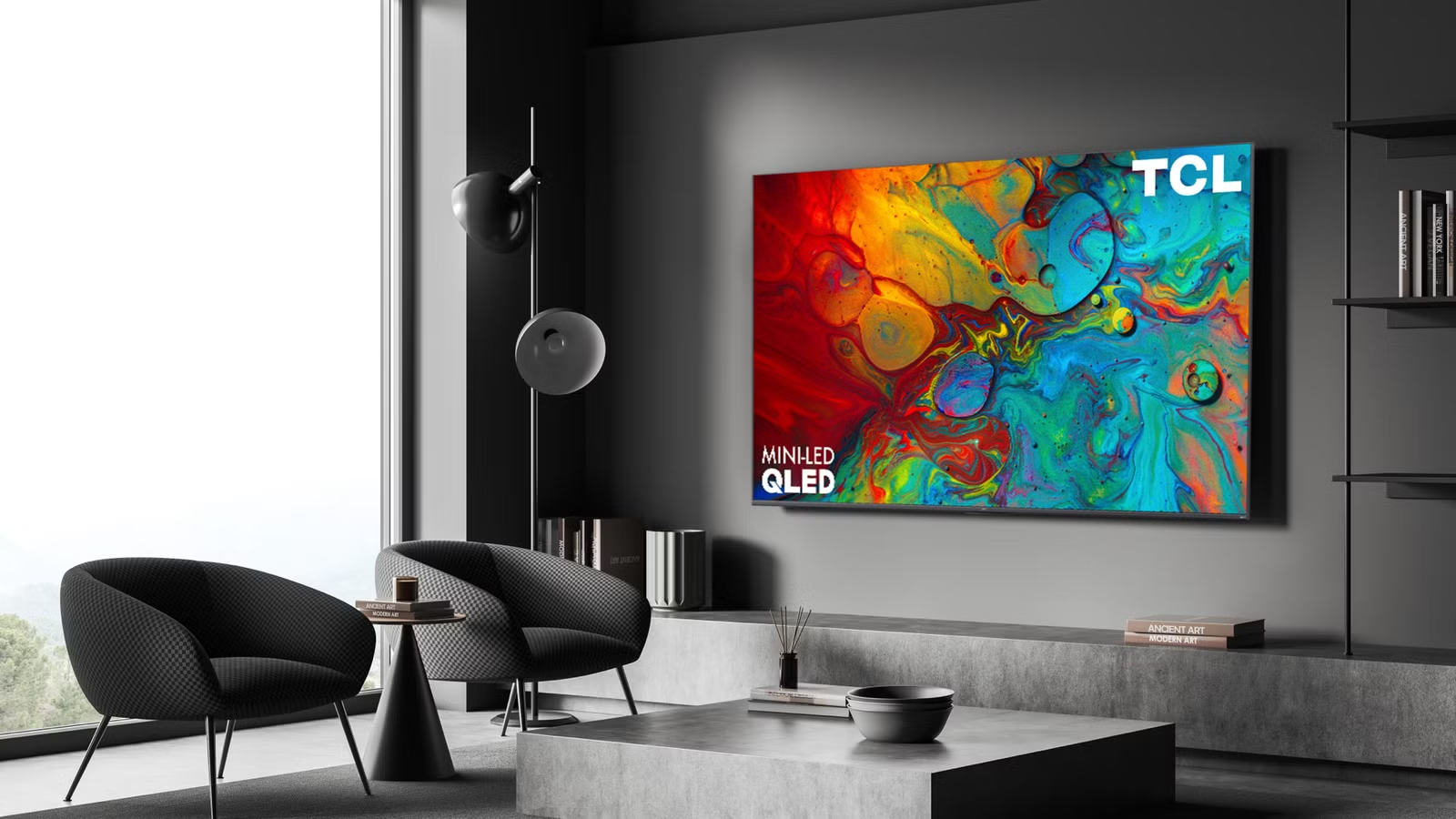
A Munich court in Germany has banned the branding and sale of certain TCL television models as “QLED.” Following a lawsuit filed by rival Samsung, it was ruled that TCL violated unfair competition laws. According to the court’s decision, specific TCL QLED TVs fail to deliver the color production expected by consumers, leading to the conclusion that the brand engaged in misleading advertising. It is reported that new lawsuits are on the horizon in other countries, including the United States.
Crisis in the QLED Market: TCL Faces Allegations
In late 2024, the South Korean news outlet ET News published significant test results regarding this matter. Tests conducted by SGS and Intertek reportedly failed to find traces of indium and cadmium—essential materials for quantum dot technology—in TCL televisions. These tests were performed on finished products commissioned by Hansol Chemical, a company that partners with Samsung.
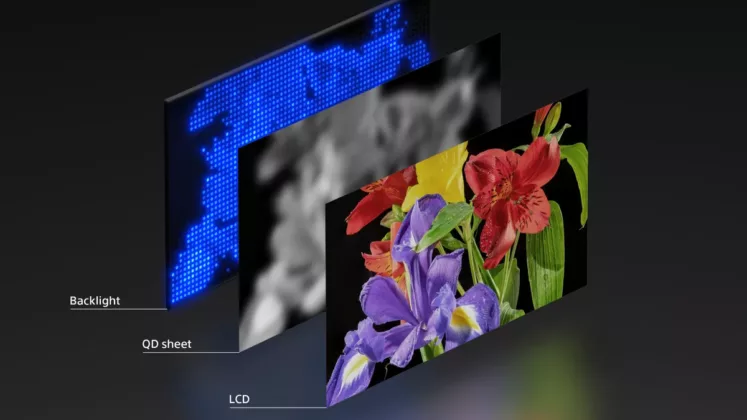
TCL has strongly refuted these allegations, insisting that their panels definitely contain cadmium. The company defended itself by sharing its own SGS test results. However, a major discrepancy arose because TCL’s tests focused directly on the quantum dot films, whereas the rival tests examined final retail products.
Legal Battles Spread to the US
Despite the controversy, TCL QLED screens continue to achieve standard color performance in daily use and independent reviews. Nevertheless, Hansol Chemical has filed an official complaint with the U.S. Federal Trade Commission (FTC) regarding misleading advertising. TCL is not alone in this struggle; other manufacturers like Hisense are also facing similar class-action lawsuits in the United States.
This situation underscores the importance of independent certifications for consumers. Notably, the German agency TÜV Rheinland granted Samsung a “True Quantum Dot Display” certification, while TCL received a “Realistic Visual Experience” certification. As of now, neither company has issued a formal press statement regarding the latest developments.
The technology war and certification debates in the television market look set to continue for the foreseeable future. What are your thoughts on these misleading advertising claims? How important is screen quality to you, and which television brand are you currently using at home?