
Tekirdağ Deploys High-Speed Unmanned Lifeguard Vehicles to Beaches

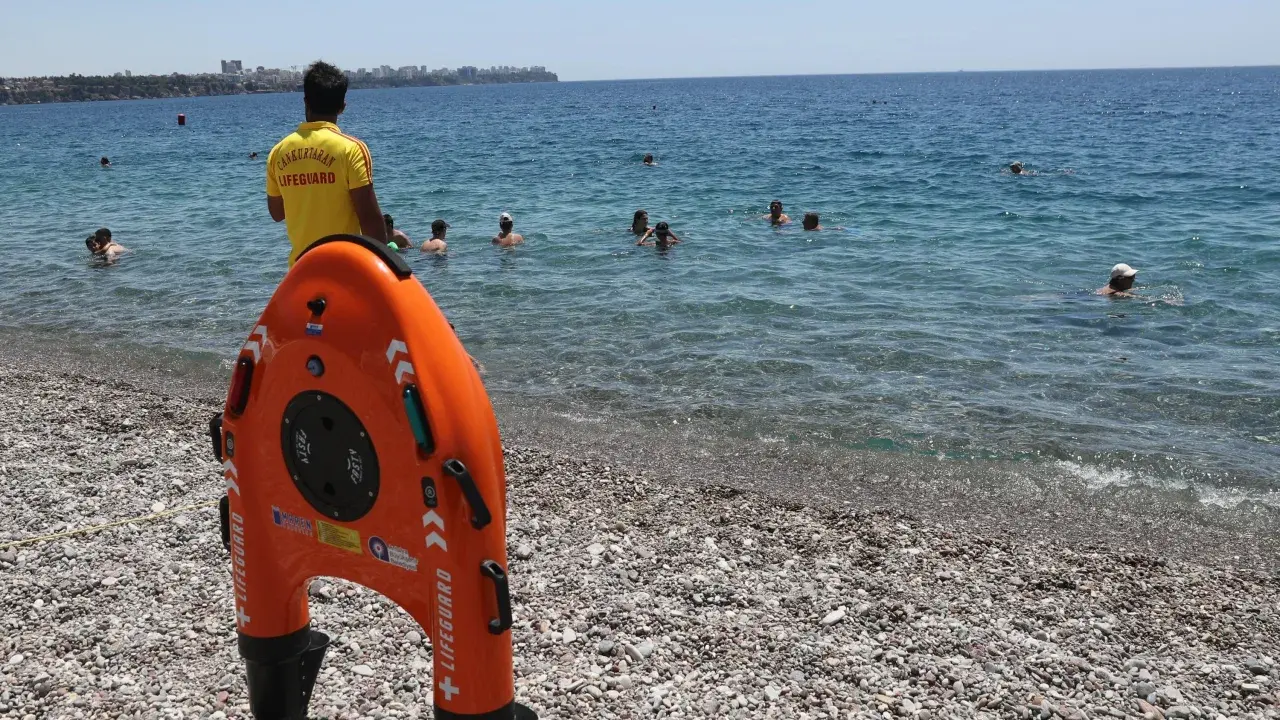
The Tekirdağ Metropolitan Municipality has officially integrated advanced unmanned lifeguard vehicles into its maritime safety operations across the Marmaraereğlisi, Süleymanpaşa, and Şarköy coastal regions. Designed to operate through remote control technology, these innovative devices are deployed to reach individuals facing drowning hazards at sea with unprecedented speed. By providing immediate buoyancy and support while professional human rescuers navigate toward the scene, the municipality aims to minimize fatalities and enhance overall water safety protocols during the peak summer season. This technological upgrade represents a significant shift toward digital-first emergency response strategies along the extensive Tekirdağ coastline.
- The deployment of unmanned lifeguard vehicles reduces the initial response time for rescue operations from 120 seconds to just 20 seconds.
- Integrated drone systems provide aerial surveillance to identify potential drowning risks before they escalate into emergencies.
- These remote-controlled units operate effectively in both calm and turbulent sea conditions to provide critical life-saving support.
Rescue Response Times are Decreased Significantly
The core advantage of this new system lies in its ability to bypass the physical limitations faced by traditional lifeguards. Under standard conditions, a human swimmer would require approximately two minutes to reach a distressed person. With the implementation of high-speed, maneuverable unmanned vehicles, the response time is slashed to a mere 20 seconds. This six-fold increase in efficiency provides a vital safety buffer that keeps victims afloat until specialized teams can perform a physical extraction from the water.
The rapid deployment capability of these vehicles fundamentally transforms emergency response standards on Turkish beaches.
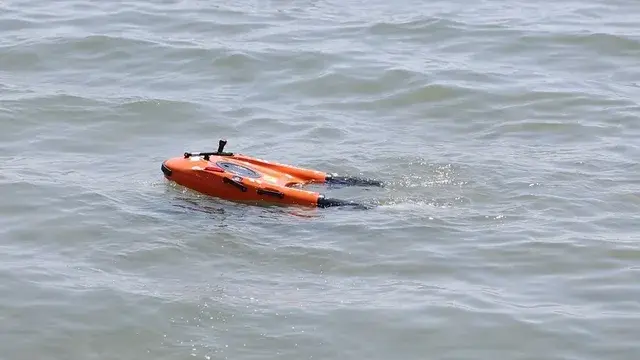
These remote-controlled units are engineered to maintain stability even in challenging, wavy conditions. Their design ensures that they do not just reach the target quickly but also offer a secure flotation surface for the victim. By offloading the initial transit phase of a rescue to technology, the municipality ensures that human lifeguards can focus their energy on the final extraction and medical stabilization phases once they reach the location.
Drone Surveillance Systems Enhance Coastal Monitoring
Beyond the surface-level rescue vehicles, the municipality has incorporated a comprehensive drone-assisted observation network. These aerial platforms scan the shoreline in real-time, allowing operators to detect distress signals or dangerous swimming patterns that might be invisible from the beach towers. The synergy between the drones, which act as the “eyes” of the operation, and the lifeguard vehicles, which act as the “hands,” creates a robust safety ecosystem.
This integrated approach has already undergone rigorous field testing, yielding successful results in simulated rescue scenarios. The system is specifically prioritized for Blue Flag beaches, where visitor traffic is highest. By leveraging these digital solutions, authorities are establishing a new benchmark for coastal safety that combines human expertise with mechanical reliability.
Integrating drone technology with unmanned rescue vehicles provides a proactive shield against maritime accidents.
We are interested to hear your perspective on whether these technological advancements will change your sense of safety while swimming; please share your thoughts and experiences in the comments section below.
Your comment has been submitted,
it will be published after approval.