
Tesla Autopilot Faces Scrutiny After Two Fatal Highway Crashes

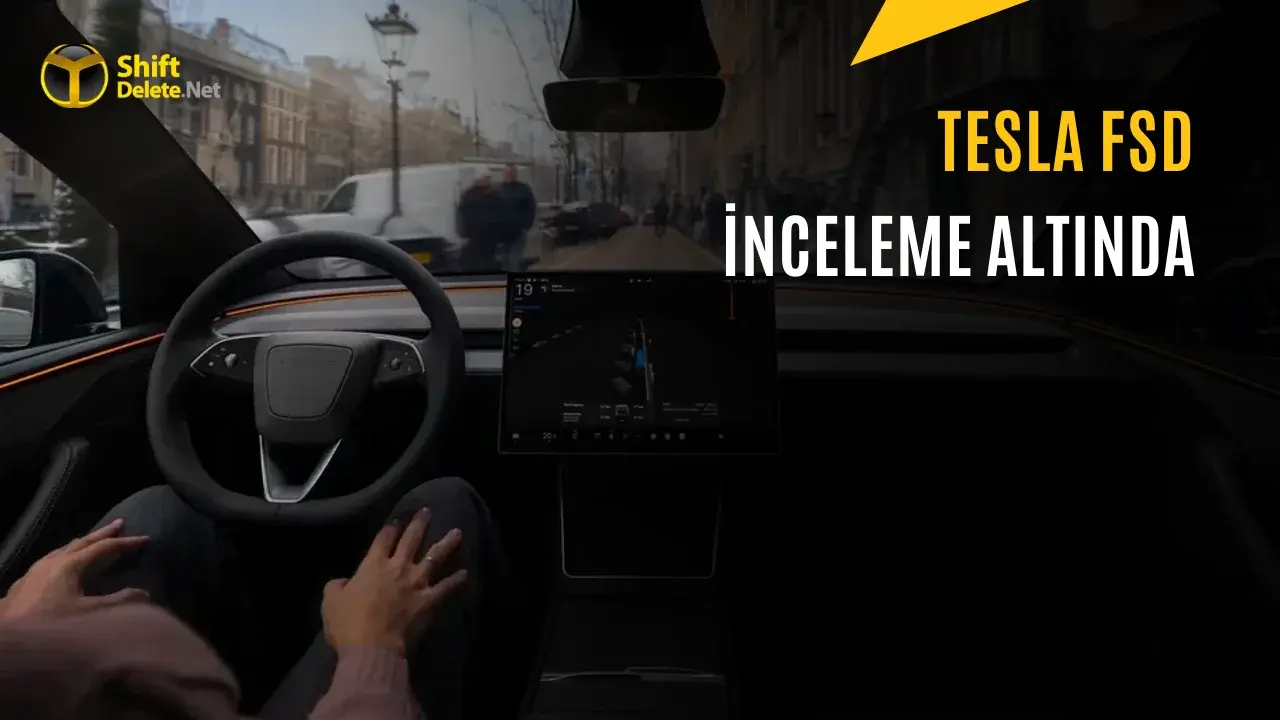
Tesla’s autonomous driving technology has come under intense scrutiny following two separate fatal incidents involving vehicles operating with Level 2 driver assistance systems. According to recent reports, the accidents occurred when Tesla vehicles stopped abruptly on highways, leading to high-speed rear-end collisions by other motorists. The first incident took place on October 31, 2025, in Mesa, Arizona, when a Tesla sedan was struck by a Ford F-350. A similar tragedy unfolded on October 6, 2025, in Seminole County, Florida, resulting in the death of a driver after their vehicle was hit by a truck while stationary in traffic.
- Investigations reveal that Level 2 driver assistance systems were active in both Tesla vehicles leading up to the fatal collisions.
- Data indicates that the vehicles were stationary in highway lanes for several seconds before the impact occurred.
- Federal regulators are currently auditing how Tesla reports data regarding its autonomous driving features and safety performance.
Technical Glitches May Have Caused Sudden Stops
 The investigation into these crashes highlights persistent concerns regarding the reliability of Tesla’s driver assistance software. Experts suggest that “phantom braking,” a known phenomenon where the vehicle incorrectly identifies non-existent obstacles and triggers emergency braking, could be a primary factor in these incidents. While the possibility of driver health issues or fatigue remains under consideration, the fact that the vehicles were reported as “stationary” at zero miles per hour indicates a critical failure in the system’s ability to navigate active highway traffic safely.
Transparency Concerns Surround Tesla Crash Reporting
A significant barrier to the investigation is Tesla’s practice of redacting specific details from incident reports, citing the protection of trade secrets. By withholding information such as the specific software version in use or whether the vehicle was operating within approved parameters, the company complicates efforts to determine if the Autopilot or the Full Self-Driving suite was responsible. This lack of transparency has fueled ongoing debates about the adequacy of existing safety protocols for semi-autonomous vehicles.
Regulators Intensify Oversight of Automated Systems
The U.S. National Highway Traffic Safety Administration (NHTSA) is currently reviewing how Tesla documents accidents involving its driver-assist technology. The agency has previously expressed concerns that the company may overstate the capabilities of its software, leading to a false sense of security among owners. These incidents serve as a stark reminder that current autonomous technologies are not yet fully capable of handling every complex driving scenario without human intervention. As investigations continue, the automotive industry faces increased pressure to implement more rigorous safety standards for systems that rely heavily on artificial intelligence in public transportation environments.
The rapid development of autonomous driving features raises significant questions about the future of road safety. We invite you to share your perspective on whether current driver assistance systems provide enough protection for everyday use or if more stringent regulations are necessary to prevent these tragic accidents.
Your comment has been submitted,
it will be published after approval.