
Tesla Cybercab Unveiling Date Set for Austin Event

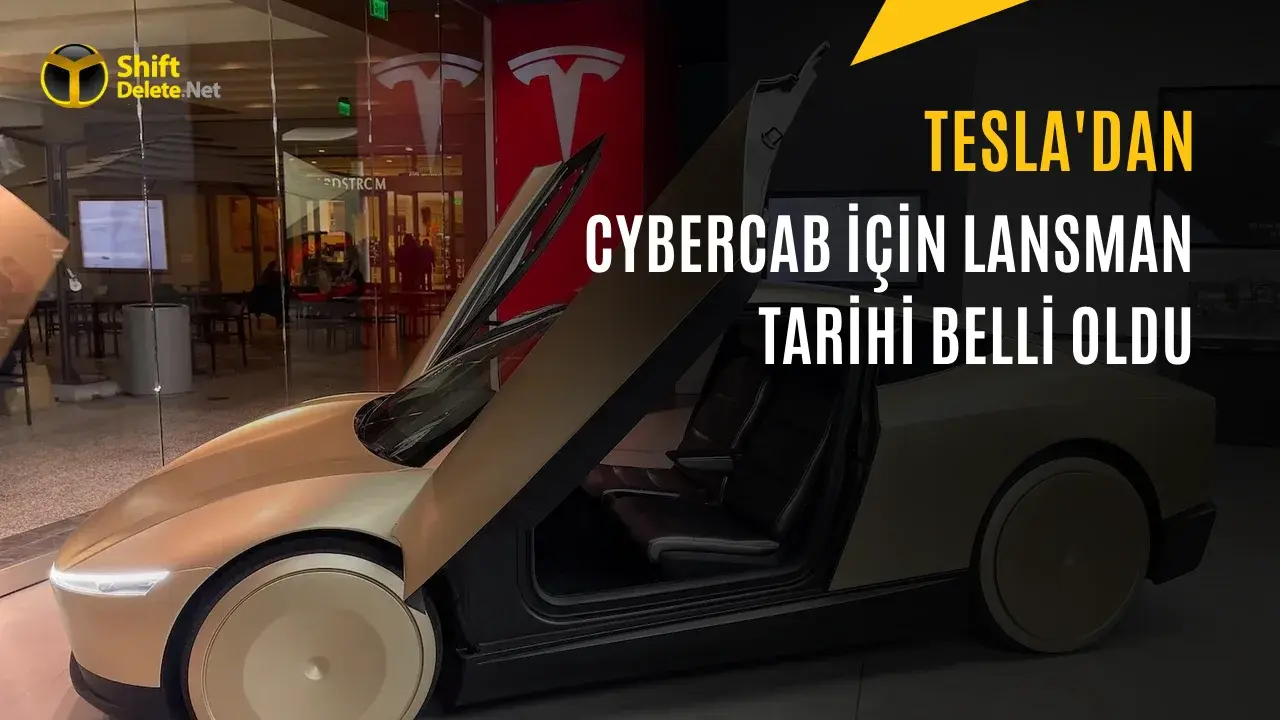
Tesla has officially announced that the highly anticipated Tesla Cybercab will be unveiled during a special event scheduled for September 3 in Austin, Texas. This exclusive gathering is designed to provide attendees with a firsthand experience of the future of fully autonomous transportation. While the event is restricted to invited guests, the company has confirmed that it will be broadcast via a live stream for the global public. As part of its aggressive expansion into the autonomous vehicle market, Tesla plans to integrate the Cybercab into its existing Robotaxi fleet, marking a significant milestone in the company’s transition toward driverless mobility solutions.
- The Tesla Cybercab features a design that excludes traditional steering wheels and pedals to maximize structural efficiency.
- The vehicle utilizes a 48 kWh battery pack that delivers an estimated real-world range of nearly 300 miles.
- Regulatory approval in Nevada allows Tesla to deploy up to 5,000 autonomous vehicles within the first year of operation.
The Cybercab Design Prioritizes Efficiency
Engineered as a dedicated two-passenger vehicle, the Cybercab completely eliminates conventional manual controls. By removing the steering wheel and pedals, Tesla has achieved a significant reduction in total vehicle weight. According to documentation submitted to the Environmental Protection Agency (EPA), the vehicle weighs approximately 3,113 pounds, making it roughly 700 pounds lighter than the standard Model 3. This lightweight architecture is fundamental to its high energy efficiency ratings. 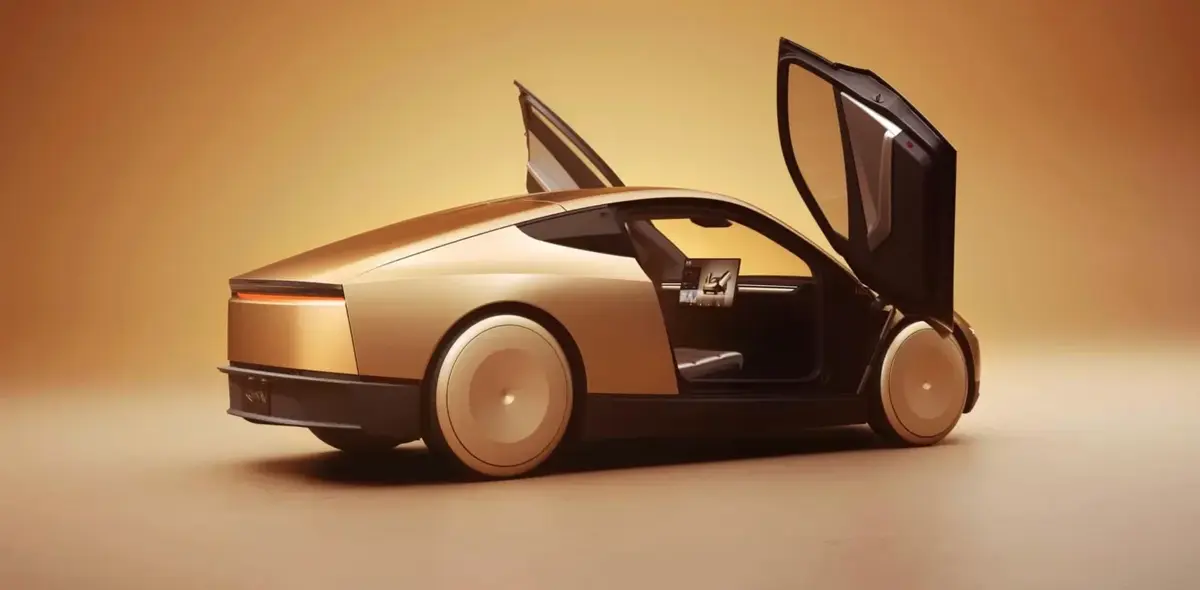
Propulsion is provided by a 219-horsepower permanent magnet motor mounted at the front of the vehicle. Although the EPA testing cycle indicates a potential range of 418 miles, real-world conditions are expected to yield between 290 and 300 miles per charge. With a rating of 165 watt-hours per mile, the Cybercab ranks among the most efficient electric vehicles ever certified for public road use, setting a new benchmark for sustainable autonomous transit.
Autonomous Transport Services Are Expanding Rapidly
Tesla initiated its Robotaxi service in Austin in June 2025 and is now prioritizing the expansion of this technology into California, Nevada, Arizona, and Florida. Currently, the service remains active in Texas and Florida, with recent data indicating a fleet of 20 to 30 unsupervised vehicles in operation. The company faces stiff competition, as industry leader Waymo currently facilitates over 500,000 paid trips weekly across 11 cities using a fleet of 3,000 vehicles.
To support this scaling, Nevada transport authorities recently granted Tesla permission to operate commercial robotaxi services within Clark County. This regulatory green light permits the deployment of 5,000 autonomous units within the initial 12-month window. Furthermore, Tesla has submitted development plans to transform its Austin service center into a dedicated hub featuring automated car washes and high-speed charging stations. Similar infrastructure projects are being proposed for Las Vegas to support the growing Cybercab fleet.
As Tesla prepares for the official debut of its dedicated autonomous vehicle, we want to hear your perspective on this shift. Do you believe that fully autonomous, driverless cars will effectively replace traditional personal vehicles in urban environments within the next decade? Share your thoughts in the comments section below.
Your comment has been submitted,
it will be published after approval.