
Tesla Ends Solar Roof Project After Years of Struggles

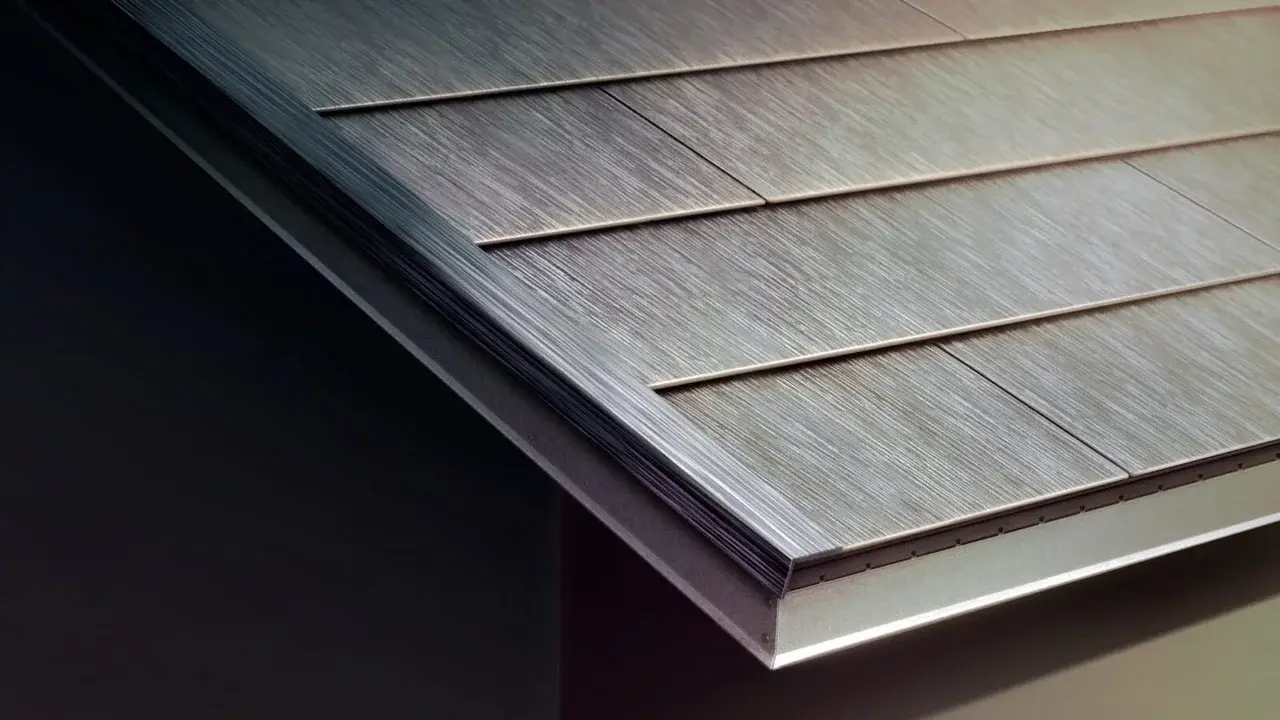
Tesla is officially pivoting away from its ambitious Solar Roof project, a product line introduced nearly a decade ago that aimed to replace traditional roofing materials with electricity-generating tiles. Recent reports confirm that the company has ceased supplying these specialized solar tiles to its network of certified third-party installers, signaling a shift in its renewable energy strategy. Moving forward, the electric vehicle giant will focus exclusively on traditional solar panel installations. This transition is further evidenced by changes to the official Tesla website, where the dedicated Solar Roof product page has been redirected to the main solar energy section, and all related support documentation has been removed.
- Tesla has officially discontinued the supply of its Solar Roof tiles to third-party installers.
- The company will transition its primary focus back to traditional solar panel solutions.
- Operational challenges and high installation costs hindered the commercial success of the product.
- Market data indicates only about 3,000 systems were installed nationwide since the project launched in 2016.
The discontinuation marks the end of a turbulent chapter for a product once positioned as a cornerstone of Tesla’s sustainable energy ecosystem.
The Solar Roof Project Faced Significant Hurdles
When Elon Musk first unveiled the Solar Roof in 2016, the promise was revolutionary: a seamless, aesthetically pleasing roof that also functioned as a high-efficiency power plant. However, the project was marred by controversy early on. During subsequent legal proceedings related to the acquisition of SolarCity, it was revealed that the prototypes showcased at the initial event were not fully functional. 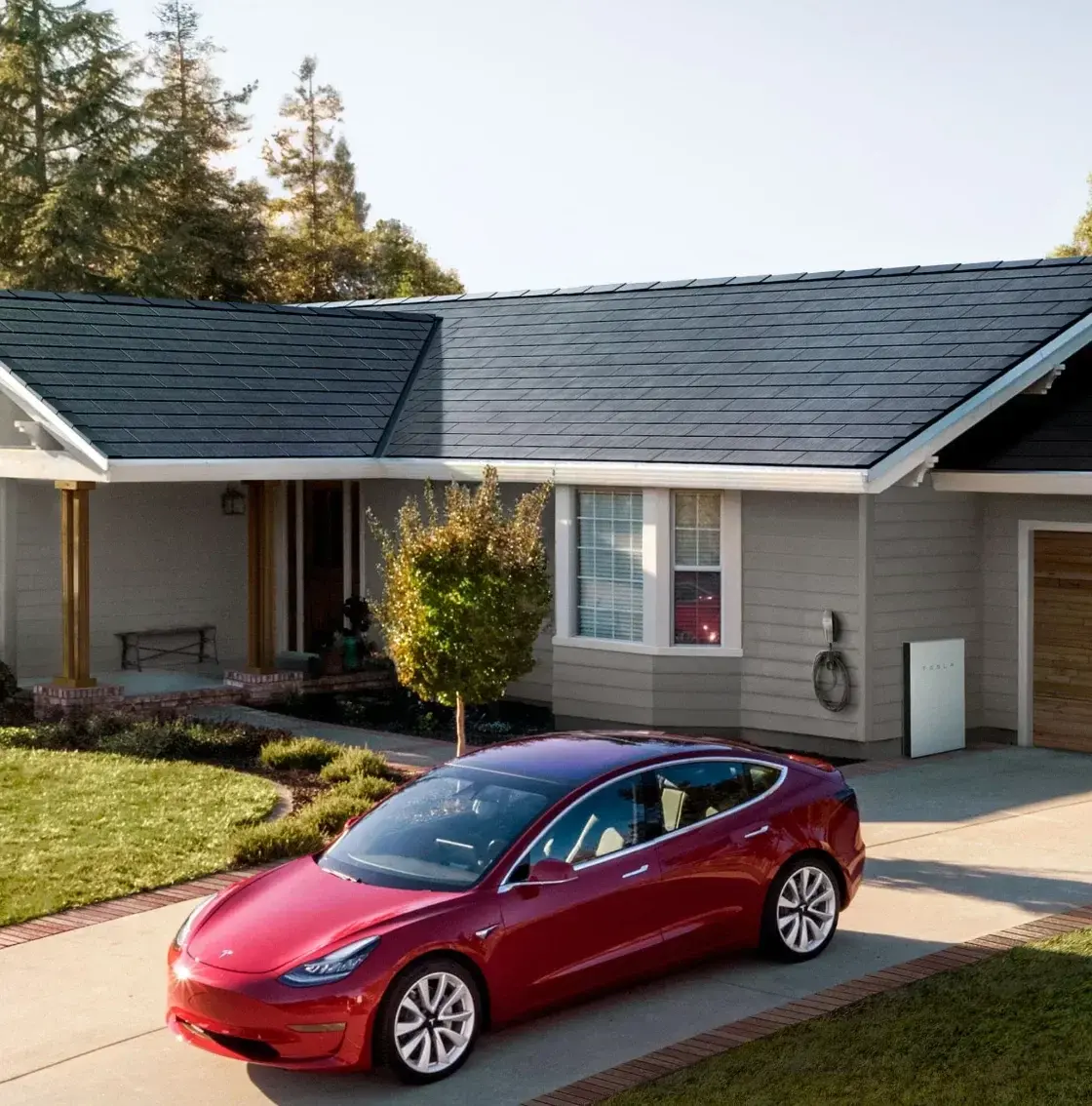
Tesla initially marketed the product as an economical alternative for homeowners requiring both a new roof and a solar energy system. In reality, the integration proved to be an engineering and logistical nightmare. The complexity of installing these tiles on varying roof structures often required extensive customization, leading to astronomical costs that far exceeded initial projections.
Installation Costs Exceeded Initial Estimates
By 2021, even Elon Musk publicly admitted that Tesla had underestimated the difficulty of assessing different roof designs. The presence of complex roof geometries, such as dormers and chimneys, significantly complicated the installation process. Consequently, customers often faced final quotes that were up to three times higher than their original estimates.
These unexpected price hikes sparked widespread frustration and eventually led to a class-action lawsuit. The litigation highlighted that many homeowners were hit with substantial cost increases only after binding contracts had been signed. Tesla ultimately settled the dispute in 2023, agreeing to pay $6 million to resolve the claims made by affected customers.
Commercial Performance Remained Below Targets
The gap between Tesla’s internal expectations and the market reality became increasingly difficult to ignore. The company had originally aimed for a rapid rollout, but production bottlenecks and installation difficulties prevented the Solar Roof from achieving mass-market adoption.
A 2023 report from the research firm Wood Mackenzie provided a sobering look at the program’s lifecycle. The firm estimated that since the 2016 launch, only about 3,000 Solar Roof systems were successfully deployed across the United States. Analysis of 2022 data showed that the company averaged only 21 installations per week, a figure that failed to justify the continued resource allocation required to maintain the production line.
The failure of this project underscores the immense difficulty of scaling proprietary building materials in a fragmented construction industry.
Given the history of the Solar Roof project and its eventual cancellation, we are curious to hear your perspective on the future of integrated solar technology. Do you believe these specialized roofing solutions are viable in the long term, or should companies stick to traditional panel technology? Share your thoughts in the comments section below.
Your comment has been submitted,
it will be published after approval.