
Tesla Files New Patent for Electric Fan Aerodynamics System

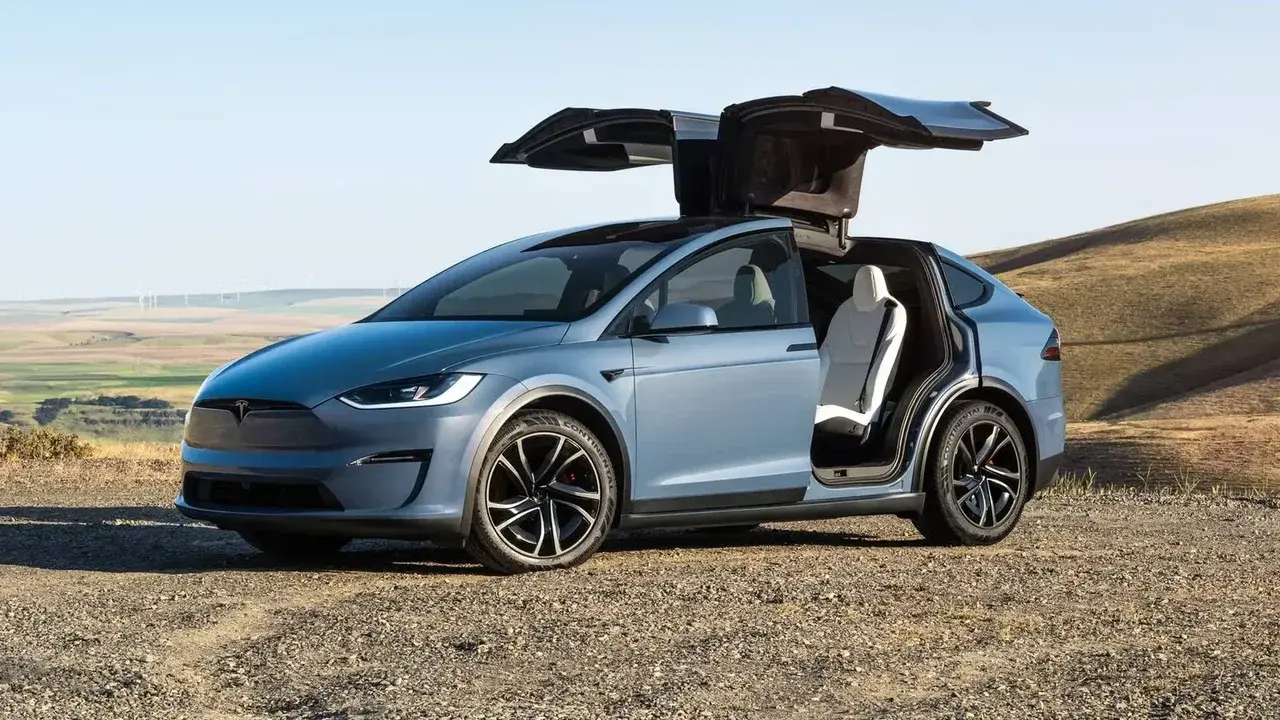
Tesla has officially filed a patent for an innovative electric fan system designed to enhance vehicle aerodynamics and increase downforce. The company’s proposal details a setup featuring four electric fans integrated into the rear diffuser of the vehicle to actively manage airflow. By controlling the air movement beneath the chassis, this Tesla electric fan system aims to create a low-pressure zone that pulls the car toward the road, effectively minimizing drag while improving stability. This mechanical approach draws parallels to advanced engineering concepts seen in high-performance vehicles like the GMA T.50, signaling a potential shift in how Tesla approaches high-speed track performance and efficiency in its future electric vehicle lineup.
- Tesla has patented an aerodynamic system that uses four rear-mounted electric fans to increase downforce.
- The design utilizes a channeled airflow system to reduce turbulence and optimize drag coefficients.
- Engineers integrated the fans directly with the vehicle’s high-voltage battery and primary control systems.
- The patent application suggests that a secondary diffuser may be employed to further amplify performance.
Aerodynamic Efficiency is Being Maximized Through Fan Technology
The core functionality of this patent relies on the strategic placement of fans to manipulate the air stream as it exits the rear of the car. As a vehicle moves, air flows through channels located under the chassis toward the rear diffuser. Typically, as air rises through a diffuser, turbulence can disrupt the smooth flow, leading to a loss in aerodynamic efficiency. 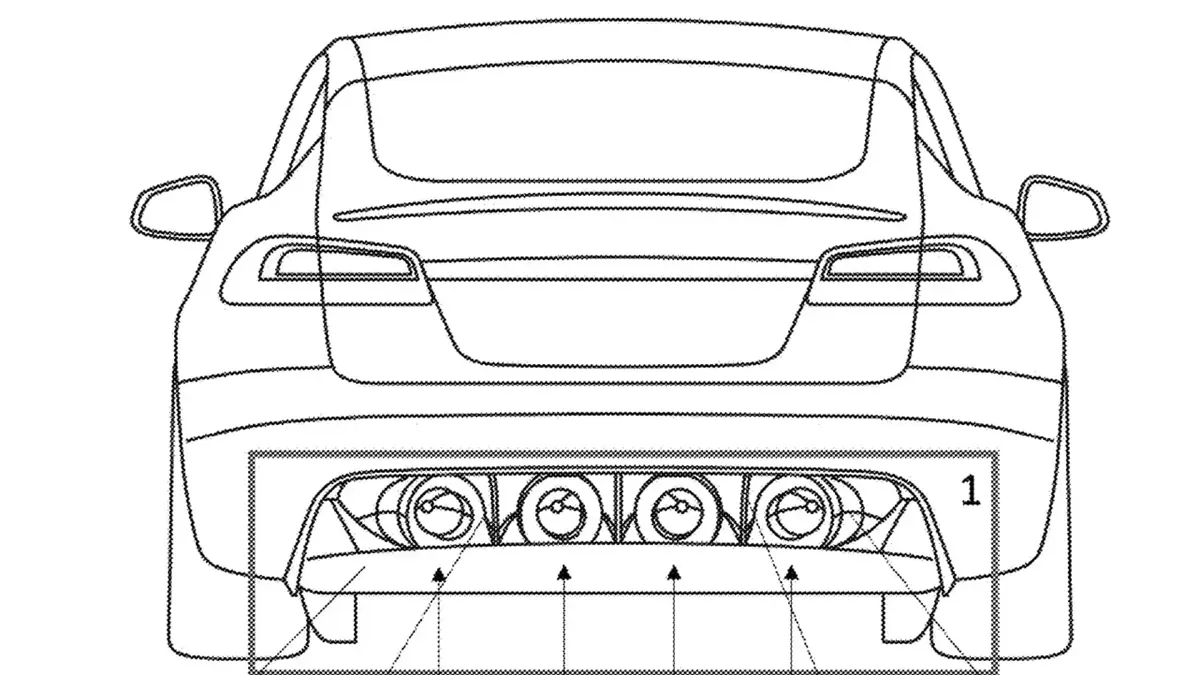 Tesla’s solution uses these electric fans to draw air through the diffuser, ensuring a more consistent and laminar flow. This active management of air pressure underneath the vehicle is critical for maintaining traction during high-speed maneuvers.
Technology Integration Could Impact Future Roadster Performance
While the patent illustrations feature a silhouette resembling a Tesla Model S rather than the upcoming Roadster, the timing of this filing has generated significant industry speculation. 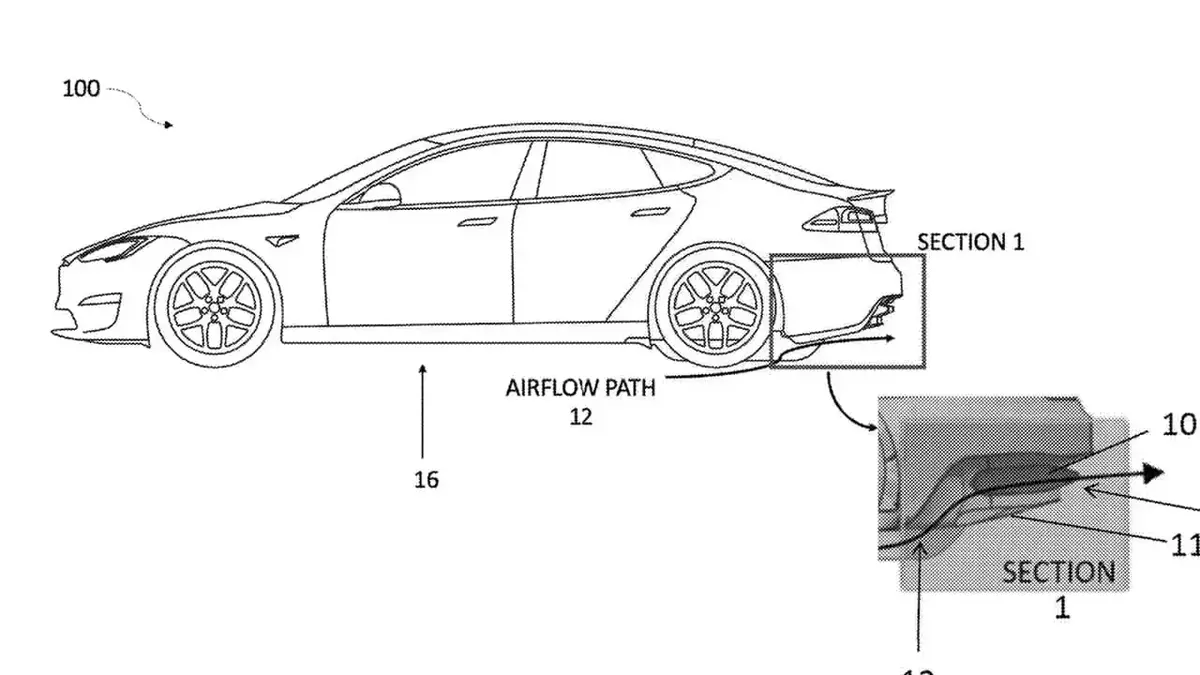 Tesla is currently preparing for major announcements regarding the next-generation Roadster, with CEO Elon Musk famously targeting a sub-one-second 0-96 km/h acceleration time. Achieving such extreme performance requires not only massive torque but also superior aerodynamic stability to ensure the tires maintain constant contact with the pavement. Incorporating an active fan system could provide the necessary downforce to manage such immense power levels effectively.
Broader Applications Are Being Considered for Serial Production
It is important to note that a patent filing does not confirm immediate adoption in mass-produced vehicles. Automotive manufacturers frequently secure intellectual property for experimental features that may or may not reach the assembly line. However, the integration of this technology into the high-voltage architecture of an electric car suggests that Tesla is seriously exploring ways to push the boundaries of current vehicle dynamics. Whether this fan-assisted system will be reserved for a track-focused halo car or eventually trickle down to consumer models remains to be seen. Industry experts continue to analyze how such active systems will redefine the future of electric sports cars.
We would love to hear your thoughts on this potential breakthrough in automotive engineering. Do you believe this fan-assisted aerodynamic system is the key to finally breaking the one-second 0-96 km/h barrier for production vehicles, or is it simply an experimental design that will remain on the drawing board? Share your opinions in the comments section below.
Your comment has been submitted,
it will be published after approval.