
Tesla FSD Supervised Eyes Expansion Following Safety Data Success

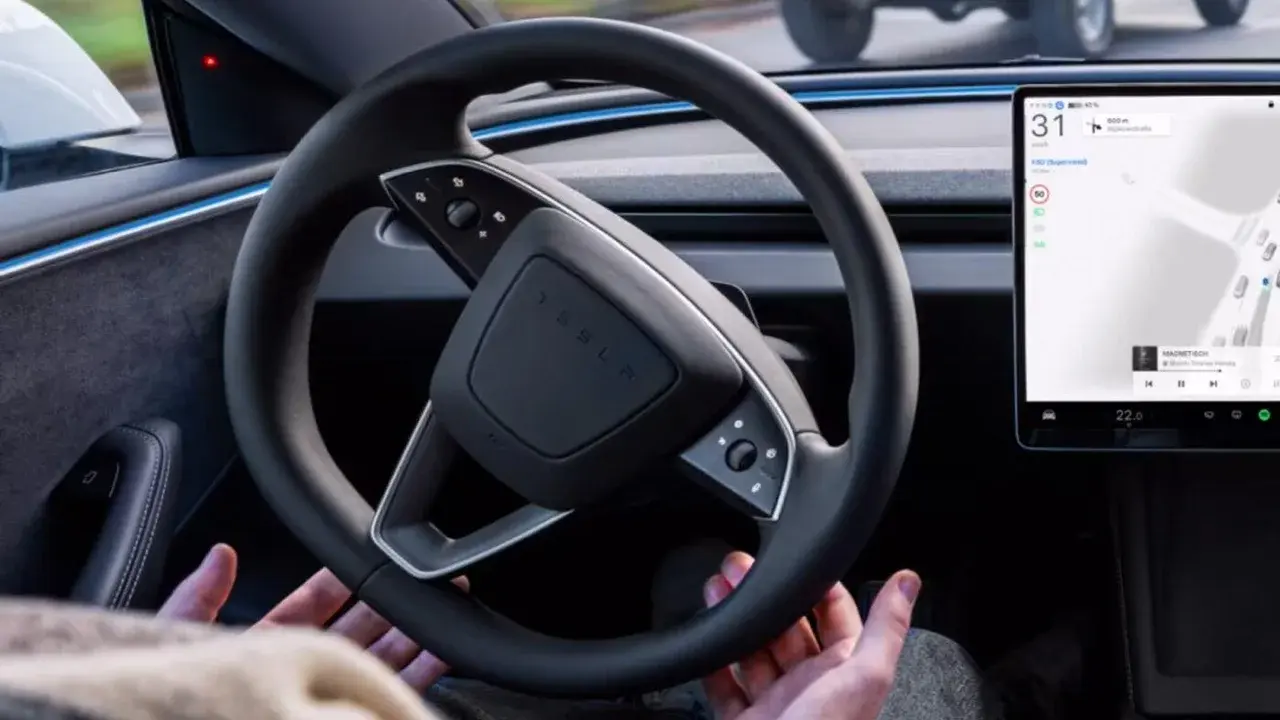
Tesla has reached a pivotal juncture in its push to expand its FSD (Supervised) system across the European Union, following the release of comprehensive safety data ahead of a critical October 6, 2026, regulatory vote. Currently approved for use in the Netherlands, Denmark, Belgium, Estonia, and Lithuania, the autonomous driving technology has demonstrated a significant safety advantage, proving to be 4.1 times less likely to be involved in accidents compared to manual driving. As the company prepares for the upcoming EU-wide decision, these operational statistics—derived from 100 million kilometers of driving data—serve as the primary evidence for the system’s reliability and potential for broader integration.
- Tesla’s FSD (Supervised) system is currently utilized by over 70,000 drivers across five European Union member states.
- Data collected from 100 million kilometers confirms that the technology reduces accident risks by 4.1 times compared to human-operated vehicles.
- The European Union is scheduled to conduct a decisive vote on October 6, 2026, regarding the widespread deployment of the system.
Tesla Reports Significant Reductions in Accident Rates
The safety data released by Tesla provides an in-depth look at how the FSD (Supervised) system performs across various road environments. By analyzing 3 billion kilometers of fleet data throughout 2025, the company identified substantial improvements in accident prevention. Specifically, the system recorded a 69% reduction in major accidents on main arteries and a 50% decrease in urban settings. These figures illustrate a clear trend where automated assistance mitigates common human errors that often lead to traffic fatalities.
Furthermore, the technology has proven highly effective in managing complex maneuvers. During highway lane changes, minor collision incidents dropped by 99%, while non-highway lane changes saw a 93% reduction in risks. These metrics are particularly relevant given that human error remains a leading cause of the 19,400 traffic-related deaths recorded across Europe in 2025. By automating critical braking and steering decisions, the system significantly lowers the physical and mental strain on drivers.
Safety Performance Remains Consistent Under Adverse Conditions
Beyond standard driving scenarios, Tesla’s analysis covers performance in challenging environments. The system maintains a 98% success rate in more than 230,000 test scenarios, including varying weather conditions such as heavy rain, dense fog, and nighttime driving. The software consistently adheres to traffic speeds, with 98% of driving time spent at or below the speed of surrounding vehicles, effectively reducing the frequency of sudden, harsh braking by 81%.
This level of precision is bolstered by the system’s adherence to UN-R-171 DCAS regulations. By sharing this detailed safety panel, Tesla aims to satisfy the requirements for the EU Article 39 exemption, which would allow the technology to operate without the limitations currently imposed by regional regulatory bottlenecks.
Regulators Prepare for the Upcoming October Decision
The Netherlands Vehicle Authority (RDW) has already vetted the safety data, providing a strong foundation for the upcoming continental review. Tesla’s ability to complete 1.6 million kilometers of testing without any recorded accidents has caught the attention of European transport regulators. The vote on October 6, 2026, will serve as a turning point, potentially greenlighting the gradual rollout of FSD (Supervised) to all EU member nations. If approved, this move could fundamentally alter the landscape of road safety and automated transportation across the continent.
As Tesla nears a critical regulatory milestone for autonomous driving in Europe, we want to hear your perspective. Do you believe the data showing a 4.1x reduction in accident risk is enough to justify the widespread adoption of FSD (Supervised) on public roads? Share your thoughts in the comments section below.
Your comment has been submitted,
it will be published after approval.