
Tesla Roadster Set to Reach 612 km/h Using Rocket Engines

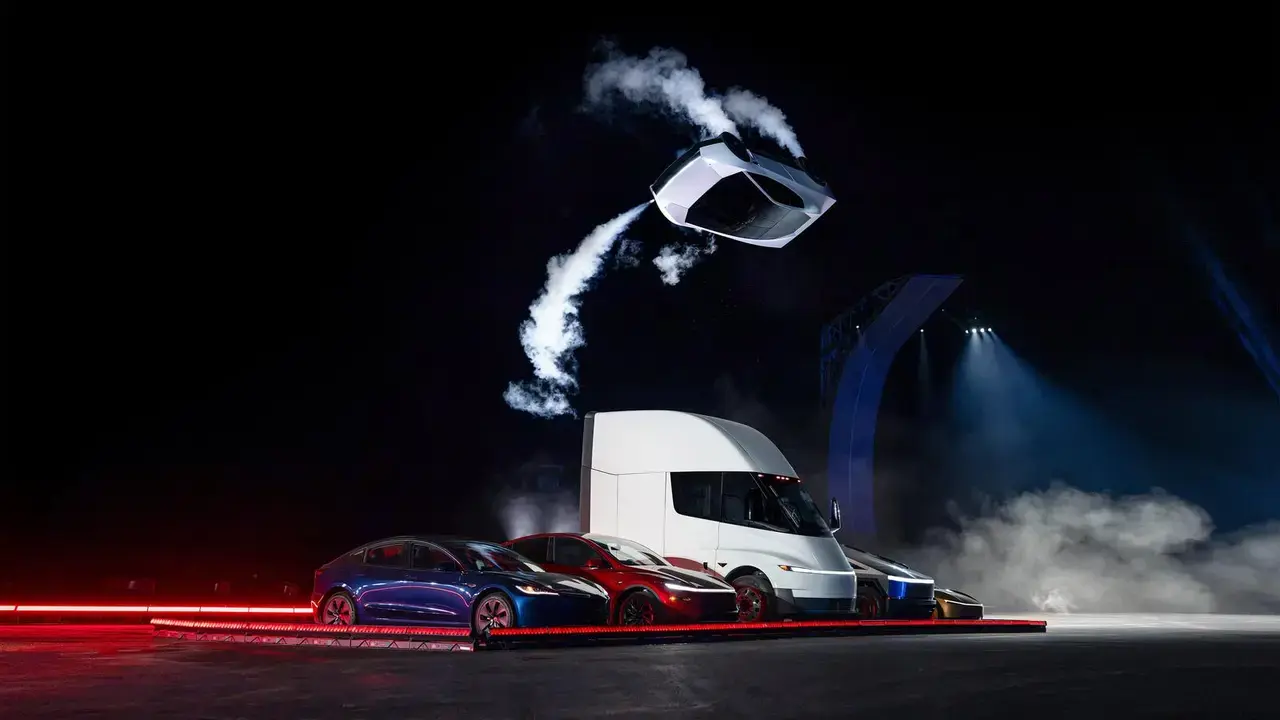
Elon Musk has officially unveiled the next-generation Tesla Roadster, a high-performance vehicle poised to redefine automotive engineering through the integration of SpaceX rocket technology. Scheduled for mass production at the Giga Texas facility starting in 2028, this revolutionary sports car aims to achieve a staggering top speed of 612 km/h. Initial performance trials have demonstrated that the vehicle can accelerate from 0 to 97 km/h in a mere 0.81 seconds, thanks to ten specialized compressed-air thrusters. By utilizing atmospheric air instead of traditional chemical fuels, the Tesla Roadster establishes a new benchmark for sustainable yet extreme speed capabilities in the modern era.
- The Tesla Roadster utilizes SpaceX-developed compressed-air thrusters to achieve a 0-97 km/h acceleration time of 0.81 seconds.
- The vehicle features a unique pressure tank system that harnesses atmospheric air to generate propulsion.
- Mass production is scheduled to commence at the Tesla Giga Texas factory in 2028.
- The automotive design anticipates a maximum speed capacity of 612 km/h.
Rocket Technology Redefines Speed Limitations
The extraordinary performance metrics of the Tesla Roadster are facilitated by an array of rear-mounted thrusters combined with advanced active aerodynamic components. According to statements from Elon Musk, the engineering goes beyond mere straight-line acceleration; the vehicle incorporates specialized nozzles that allow for sophisticated maneuvering and, in theory, the ability to overcome ground obstacles. This configuration effectively elevates the sports car from a conventional terrestrial vehicle into a platform that approaches the mechanics of flight.
A critical aspect of this propulsion system is its independence from external fuel supplies. While in motion, the car captures ambient air and compresses it into onboard 600-liter storage tanks. This self-sustaining cycle allows the vehicle to generate the necessary thrust for its high-speed operations without the need for traditional liquid rocket propellants. By integrating these aerospace principles, Tesla is pushing the boundaries of what is mechanically possible for a consumer-grade automobile.
Production Schedules and Model Variants are Being Finalized
The upcoming Tesla Roadster series will be available in three distinct configurations: the Performance, the Thrust, and a limited-edition Rocket model. Each variant is engineered to provide a specific balance of power and handling characteristics. 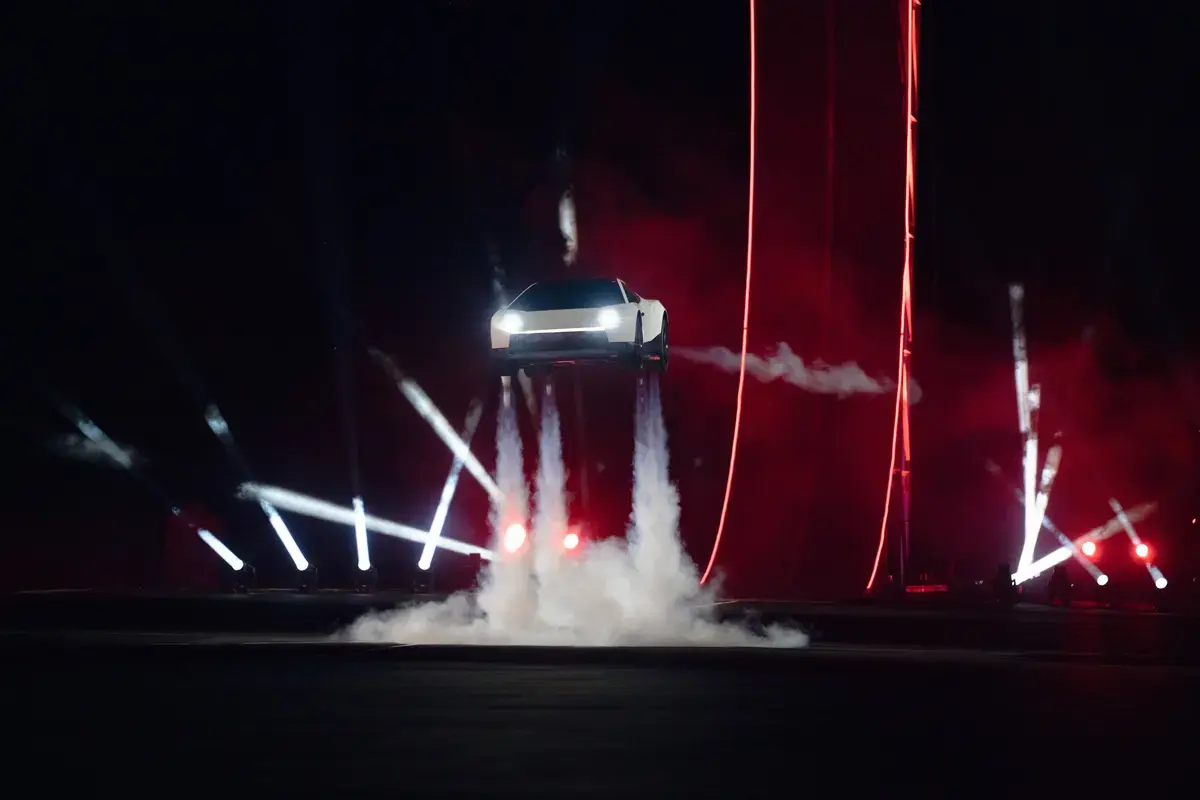 While the broader automotive industry is rapidly transitioning toward full autonomy, Tesla is positioning the Roadster as a niche product that explicitly preserves the tactile connection of manual driving.
To maintain stability at the projected top speeds, the car employs an active aerodynamic suite that ensures maximum downforce and road contact. The development phase for this project is expected to span until 2028, during which time engineers will refine the integration of the thrust nozzles and air-compression systems. By bridging the gap between science fiction concepts and tangible engineering, Tesla aims to transform the future landscape of high-performance transportation.
Given the extreme performance capabilities and the reliance on atmospheric pressure, how do you perceive the safety implications of driving such a powerful machine on public roads? Share your thoughts on Tesla’s ambitious design choices and the future of hyper-fast vehicles in the comments section below.
Your comment has been submitted,
it will be published after approval.