
Tesla Roadster With Flying Capability Faces Another Release Delay

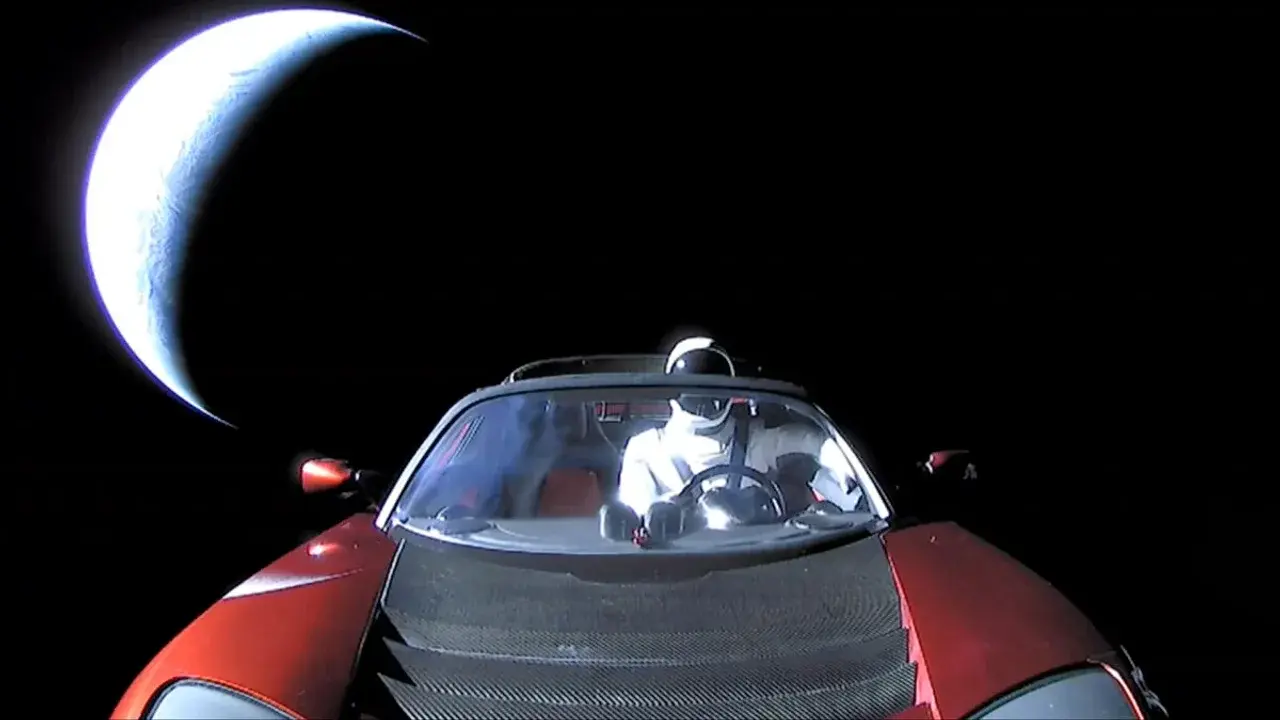
Tesla has officially delayed the highly anticipated debut of the groundbreaking Tesla Roadster, which features innovative flying and hovering capabilities. Originally expected to be unveiled earlier this year, the latest reports indicate that the showcase for this advanced vehicle has been pushed back to August at the earliest. Developed through a strategic partnership between Tesla and SpaceX, this unique iteration of the Roadster integrates cold gas thrusters designed to provide exceptional acceleration, precise handling, and superior braking performance. Elon Musk has repeatedly emphasized the vehicle’s potential to redefine automotive engineering standards through its unconventional aerial features.
- The unveiling of the flying Tesla Roadster has been rescheduled for August due to ongoing technical adjustments.
- SpaceX-engineered cold gas thrusters will replace the vehicle’s rear seats to facilitate hovering and flight capabilities.
- Tesla is currently finalizing the complex integration of the propulsion system to ensure the vehicle meets safety and performance benchmarks.
Engineers Resolve Complex Technical Challenges
The core technology behind the flying Roadster involves a sophisticated pneumatic system fueled by air tanks situated in the rear of the cabin. While the automotive industry has long speculated about the practicality of such a design, internal reports suggest that Tesla is still meticulously refining the propulsion hardware. Musk personally reviewed the system’s performance metrics in April; however, the company concluded that further development is required before the vehicle can be presented to the public.
The transition from a high-performance sports car to an aerial-capable vehicle represents one of the most ambitious engineering hurdles in Tesla’s history.
Project Timeline Reflects Ambitious Goals
The journey of the Tesla Roadster began in 2017 when the first prototype was introduced to the public. Since that time, the project has evolved significantly, with claims regarding its ability to hover emerging around 2019. Despite the excitement surrounding the project, the development cycle has been marked by multiple timeline shifts. Earlier expectations for an April reveal were adjusted to late May or early June, before the most recent update confirmed a further delay.
Industry Experts Monitor Development Progress
The anticipation for this vehicle remains high among tech enthusiasts and industry investors. Notable public figures, including OpenAI CEO Sam Altman, have previously placed orders for the car, underscoring the significant interest in Tesla’s bold venture. Although previous timelines were missed, the prospect of a vehicle capable of flight continues to dominate conversations within the automotive technology sector.
The upcoming August reveal remains the most critical milestone for determining the ultimate feasibility of the flying Roadster project.
Do you believe that the integration of rocket-thruster technology into a consumer vehicle is a practical evolution, or should Tesla prioritize traditional performance upgrades instead? Share your perspective in the comments below.
Your comment has been submitted,
it will be published after approval.