
Tesla Semi Officially Enters the European Commercial Trucking Market

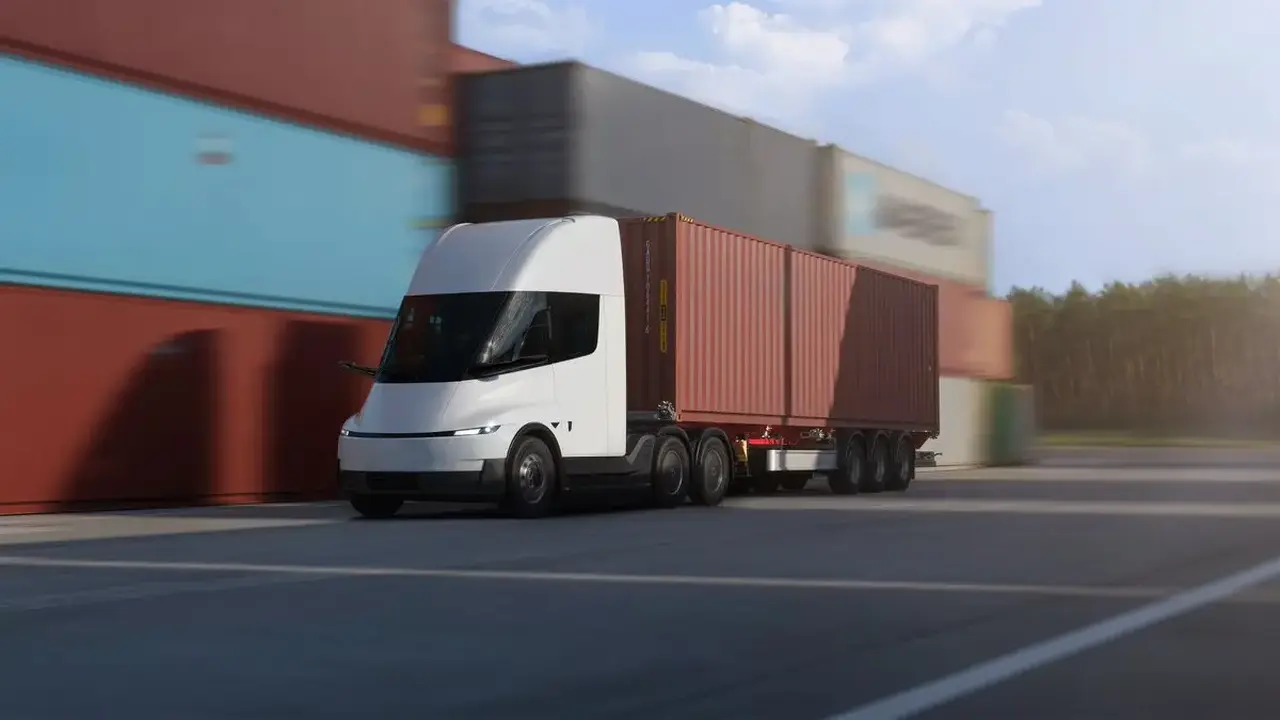
Tesla has officially introduced the European version of its all-electric heavy-duty truck, the Tesla Semi, at the IAA Transportation exhibition in Hannover, Germany. Designed to meet the stringent regulatory requirements and complex logistics demands of the European market, the vehicle aims to revolutionize long-haul freight transport. With an estimated range of 550 kilometers, support for 800 kW charging, and significant operational cost advantages over traditional diesel engines, the Tesla Semi is positioned to transform the regional logistics landscape. Following successful operations in North America, this strategic expansion marks a pivotal step in Tesla’s mission to accelerate the transition to sustainable heavy commercial transport across the continent.
- The European Tesla Semi configuration provides a range of 550 kilometers at a 40-ton gross combination weight.
- Integrated Megacharger technology enables the battery to reach a 60% charge level within 30 minutes of operation.
- Tesla plans to commence initial customer deliveries of the electric truck throughout Europe in 2027.
- The vehicle utilizes three independent rear-axle electric motors to deliver high efficiency and reduced maintenance requirements.
European Standards Influence Truck Design
Tesla has leveraged its experience from the North American market to optimize the Semi for European conditions. By building the truck on a specialized electric-only platform, the company achieves impressive energy efficiency, consuming approximately 1.0 kWh per kilometer. This performance is vital for maintaining profitability in an industry where margins are often tight. The truck’s curb weight is kept under 9,100 kilograms, ensuring that the 40-ton total weight limit remains compliant with European road regulations while maximizing payload capacity.
To address concerns regarding downtime, Tesla has implemented its proprietary Megacharger technology. This system supports high-power charging up to 800 kW, allowing fleet operators to recover significant range during mandatory driver rest periods. By enabling a 60% charge in just 30 minutes, the Semi ensures that the electric transition does not compromise the operational speed or delivery schedules expected by modern logistics companies.
Operational Costs Provide Competitive Advantages
Beyond zero-emission capabilities, the Tesla Semi offers a compelling financial case for fleet managers through lower total cost of ownership (TCO). The reliance on electricity significantly reduces fuel expenditures compared to diesel-powered trucks, especially for companies managing heavy regional distribution routes. By eliminating complex components such as exhaust after-treatment systems, diesel particulate filters, and countless moving parts associated with internal combustion engines, Tesla reduces the mechanical failure points and maintenance overhead.
The integration of advanced remote diagnostics and over-the-air (OTA) software updates further enhances fleet uptime by identifying issues before they result in prolonged vehicle immobilization. Furthermore, the inclusion of a 25 kW electric power take-off (ePTO) allows the vehicle to power external equipment, such as refrigerated trailers, directly from the main battery pack. This feature eliminates the need for auxiliary generators, further streamlining logistics operations and reducing noise and air pollution at distribution centers.
Deliveries Begin in Late 2027
The display of the European-spec Tesla Semi at the IAA Transportation show represents a major milestone for the logistics sector. As interest from fleet managers continues to grow, Tesla has confirmed that the first units will reach customers in 2027. Prospective operators are currently encouraged to contact the manufacturer to discuss potential orders and delivery schedules as the company finalizes its regional pricing and infrastructure support plans. The introduction of this electric hauler is expected to set a new benchmark for efficiency in the European commercial vehicle market.
We would love to hear your thoughts on the entry of the Tesla Semi into the European market; do you believe this technology will successfully replace traditional diesel trucks for long-haul operations in your region? Share your insights in the comments section below.
Your comment has been submitted,
it will be published after approval.