


The Cerebral Valley conference, held this year for the third time in San Francisco, offered important insights into the future of the AI industry. The most striking part of the event was the results of an anonymous survey conducted by leading industry figures. The responses from more than 300 participants, mostly AI founders, investors, and engineers, revealed the industry’s near-term prospects.
Industry’s Secret Survey: Why Is Everyone Investing in Anthropic and Shorting Perplexity?
According to the survey results, the median estimate for OpenAI’s annual revenue by the end of 2026 was $30 billion. This figure, compared to the company’s $20 billion revenue expectation by the end of this year, was interpreted as a sign that growth won’t be as exponential as it once was. The median estimate for Nvidia’s valuation by the end of 2026 was set at a whopping $6 trillion.
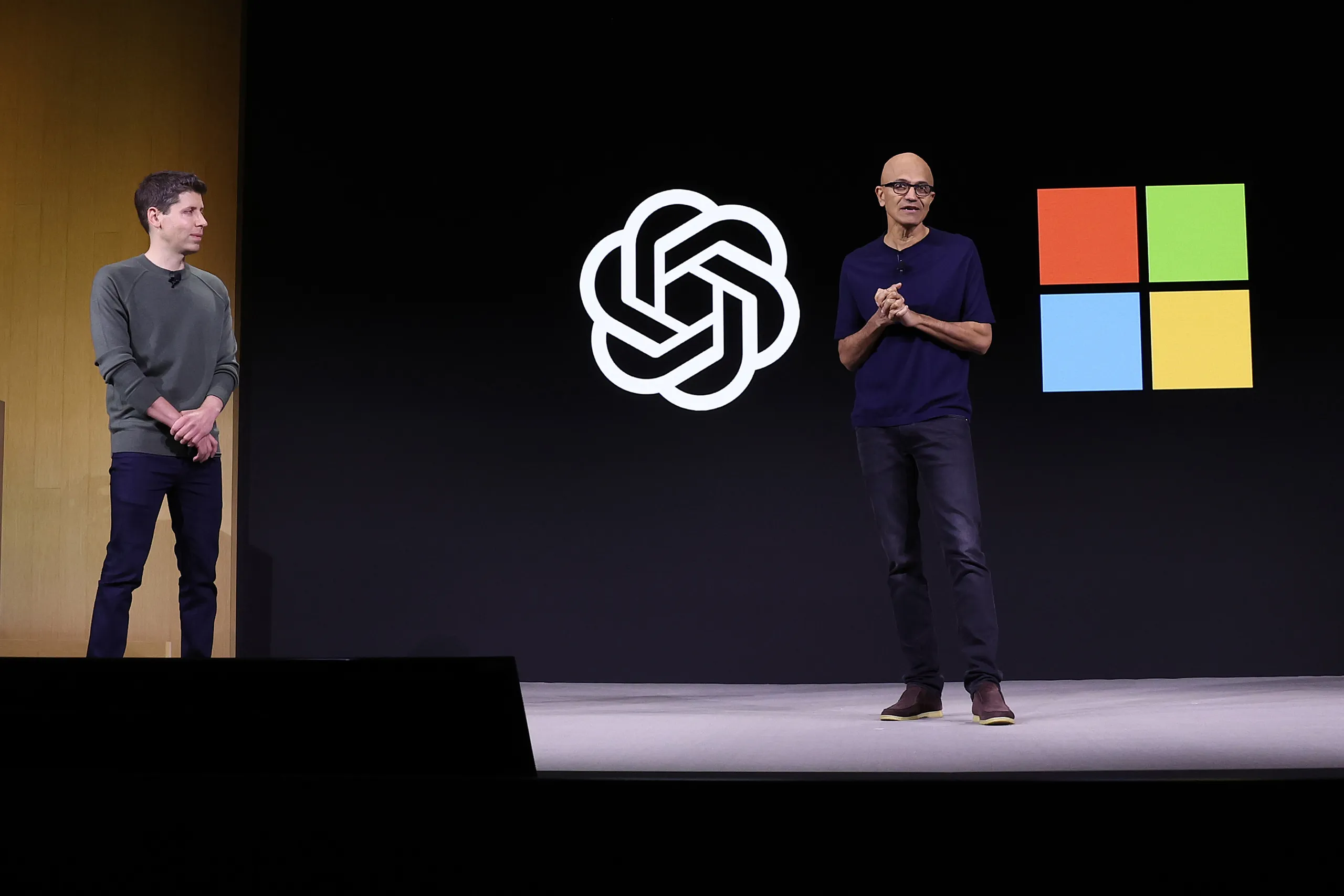
When asked when artificial general intelligence (AGI) will be achieved, one of the most debated topics in the industry, the most popular answer was 2030. This suggests that experts expect a more steady evolution rather than a revolutionary advancement in AI models in the near term. The complexity of the AGI definition between Microsoft and OpenAI may also influence this prediction.
Investment preferences also constituted a significant portion of the survey. When participants were asked, “Which private technology company would you like to invest in?”, Anthropic ranked first, while OpenAI came in second. Conversely, when asked, “Which startup would you short?”—that is, which one you think will fail—Perplexity ranked first, and, interestingly, OpenAI came in second.
When asked which global company’s model would be at the top by the end of 2026, the rankings were OpenAI, Anthropic, Gemini, Grok, and Qwen. The absence of Meta (Llama) from this list was noteworthy. Furthermore, Alibaba’s Qwen model in the top five indicates the rise of Chinese models and their increasing preference over Llama in the open source arena.
Another important conclusion from the conference was that the industry’s focus is shifting. Artificial general intelligence (AGI), a major topic of discussion in the early years, barely made the headlines this year. Instead, the focus was entirely on AI’s business applications, gaining market share, and developing profitable products. While there were fears of an “AI bubble” within the industry, the general sentiment remained focused on business development.
Another prominent topic at the event was “reverse talent acquisitions.” It was reported that due to increasing antitrust scrutiny, large technology companies (Big Tech) are entering exclusive agreements with smaller startups to transfer key talent, rather than full acquisitions. These giants, often perceived as having “infinite money,” are effectively racing to fill the limited talent pool before their competitors.
This picture emerging from the Cerebral Valley conference clearly demonstrates that the AI industry has entered a more mature and commercially focused era. So, which company do you think will emerge as the frontrunner in the AI race, and are the negative expectations surrounding Perplexity justified? We welcome your comments.