
After years of promises, missed launch dates since “Autonomy Day” in 2019, and endless repetitions of “Full Self-Driving” (FSD), a Tesla vehicle was spotted in Austin driving on public roads without a safety observer in the driver’s or passenger seat.
Steering Wheel Turning, Seats Empty
Following the incident, Elon Musk confirmed that Robotaxi testing has officially begun. This is undoubtedly a major step forward for the company’s autonomy goals. However, given the lack of any safety data to confirm the system’s readiness, it’s also seen as a frightening leap of faith.
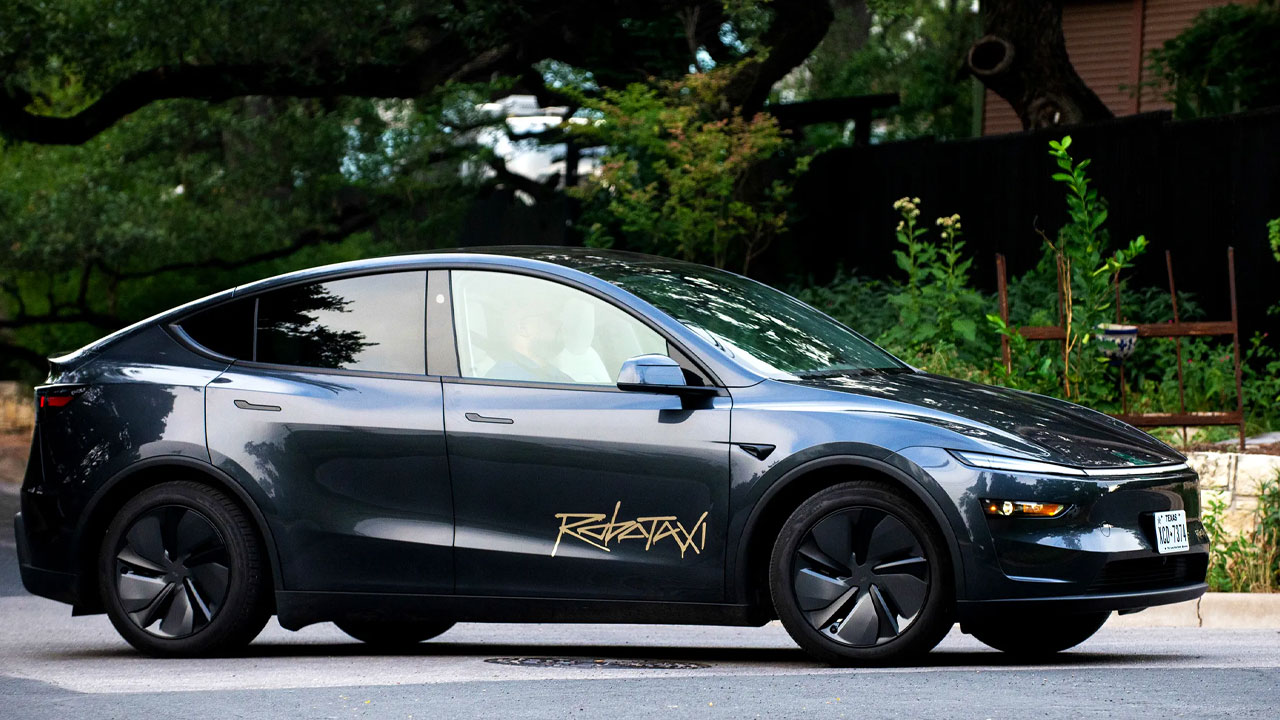
Footage taken by locals in Austin over the weekend shows a specially equipped Model Y, likely a test vehicle for the upcoming custom Robotaxi platform, cruising city streets. The steering wheel is turning, the vehicle is moving, and the driver’s and front passenger seats are completely empty.
After the images quickly spread online, Elon Musk confirmed the situation on the X platform:
“Tests are ongoing with no passengers in the vehicle.”
This alone is exciting news. It shows that Tesla has reached a high enough level of internal confidence in its latest FSD software versions for Robotaxi (not in consumer vehicles) to feel comfortable attracting a human observer. This is a tangible step toward the driverless future that many Tesla owners believed in years ago.
To date, Tesla has not released comprehensive and verifiable data proving that its FSD system is safer than a human driver. Instead of the detailed disengagement data that competitors (e.g., Waymo) provide to regulators and the public, we are left with only anecdotal evidence, selected video clips, and high-level statistics on “mileage travelled.”
Furthermore, current data based on incident reports submitted to the NHTSA (National Highway Traffic Safety Administration) regarding ADAS systems paints a worrying picture:
Data indicated that Tesla’s Robotaxi pilot program in Austin experienced approximately one accident every 62,000 miles. This rate is significantly higher than the average for human drivers, despite the presence of an in-vehicle safety observer, which is expected to prevent potential collisions. (Search results show that the accident rate for Tesla Robotaxi vehicles is roughly twice that of Waymo, with a total of 7 accidents according to current data.)
Last week, Elon Musk stated that Tesla expects its Robotaxi service in Austin to begin operating without a safety observer within three weeks.