
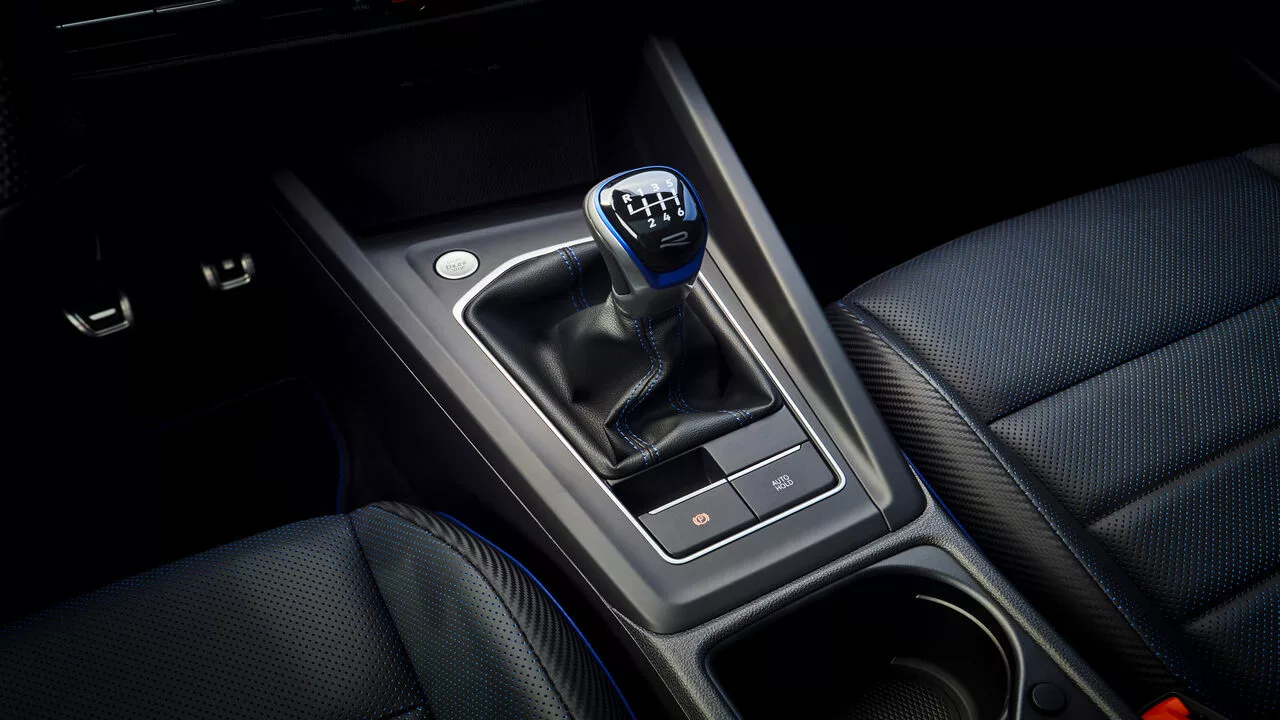
A century-long era in the automotive world is reaching its conclusion. The clutch pedal, once the symbol of mechanical connection and driving pleasure, is yielding to a new world order defined by digitalization and electrification. Recent industry reports confirm that eight major car brands are preparing to remove manual transmission options from their production lines entirely.
The Brands Waving Goodbye to Manual Gearboxes
The locomotives of the automotive industry are shifting their R&D budgets away from mechanical gearboxes for internal combustion engines and toward EV efficiency and autonomous systems. Here are the brands closing the chapter on manual shifting:
- Volkswagen: The German giant is phasing out manual options across its entire range, including the iconic Golf and Passat, by the end of 2026.
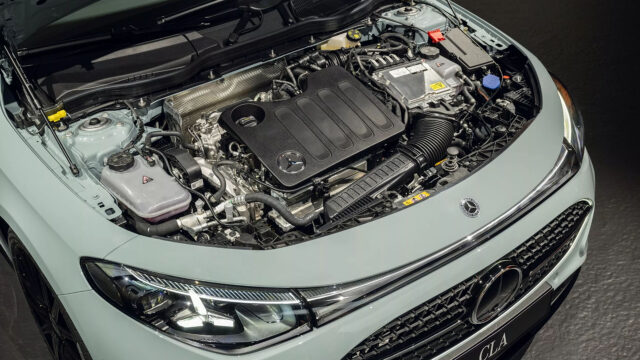
- Mercedes-Benz: Driven by a “luxury and comfort” vision, the brand has decided to offer only automatic transmissions, citing that manual shifting detracts from the premium experience.
- BMW: Even in performance-oriented M models, manual options are being narrowed down as the brand accelerates the transition due to efficiency and emission standards.
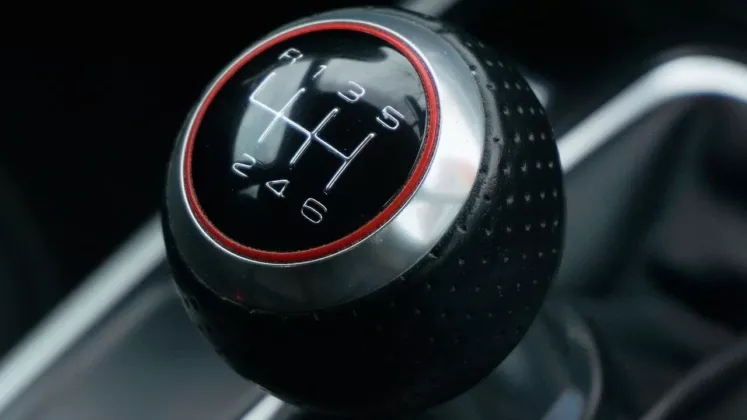
- Audi: Parallel to the Volkswagen Group strategy, manual gearboxes have been completely shelved for the new generation A3 and all models above it.
- Volvo: Focused on safety and electrification, no new Volvo models now feature a clutch pedal.
- Renault & Peugeot: French manufacturers are making automatic transmissions standard, as manual gearboxes have become technically incompatible with the transition to hybrid engines.
- Mini: Known for its go-kart-like driving dynamics, the brand announced it will focus solely on automatic models starting in 2025.
Why Now? The 3 Critical Reasons Behind the Decision
This radical shift is driven by technical and financial necessities rather than emotion:
- Electrification and Hybrid Transition: Hybrid and electric vehicles are inherently unsuitable for manual gearboxes. Intelligent, automatic systems are required to manage the instant torque of electric motors and handle regenerative braking.
- Autonomous Driving and Safety: Modern safety technologies like Adaptive Cruise Control and Lane Keeping Assist must manage gear shifts to take control of the vehicle. These systems cannot operate at full capacity with a manual gearbox.
- Production Costs and Efficiency: Offering two different transmission types increases logistics and engineering costs. Focusing on a single transmission type boosts profitability and simplifies maintenance processes.
Is “Pure Driving” Headed to the Museum?
While this is somber news for manual enthusiasts, market data shows that users have already pivoted. In the Turkish and European markets, more than 80% of new car sales now consist of automatic transmissions. By late 2026, finding a brand-new manual car will likely be a “luxury” reserved only for a very limited number of niche sports models.
The manual transmission is rapidly becoming a relic of the past as technology reshapes our relationship with the road. Do you think the loss of the manual gearbox marks the end of “real” driving, or are you happy to leave the shifting to the machines? Share your thoughts in the comments!