
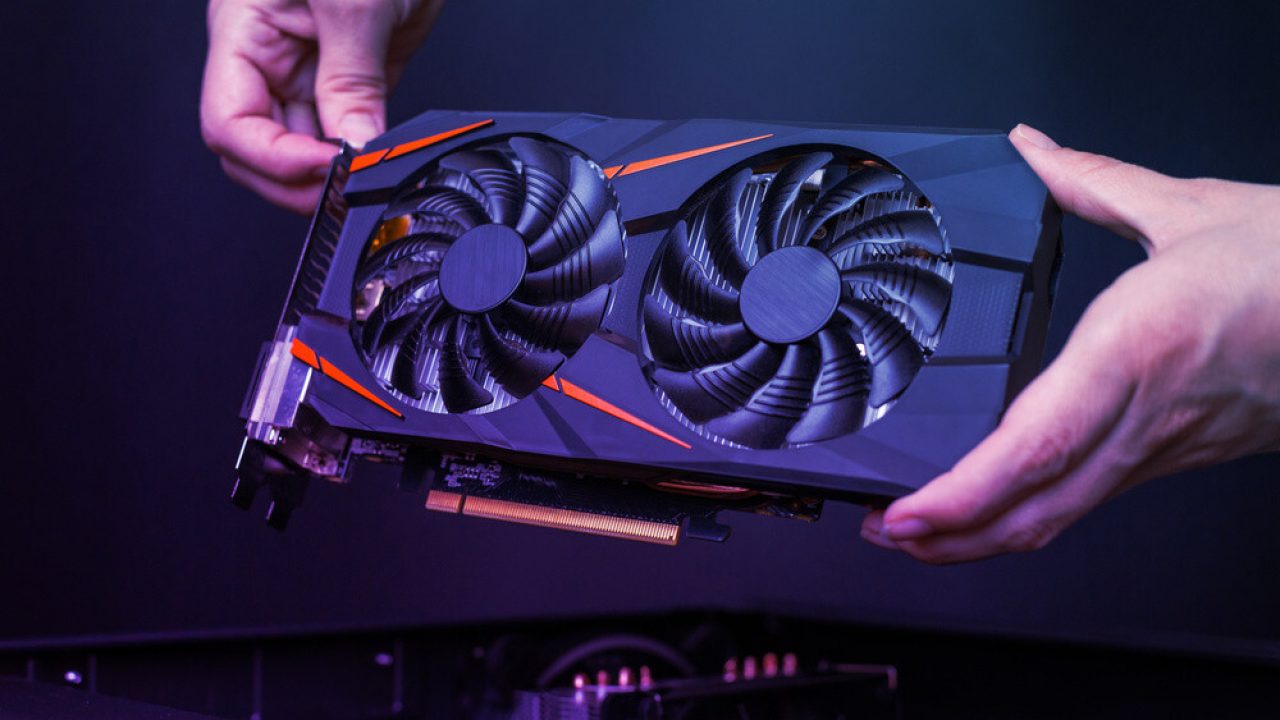
The recent stability in the graphics card market is giving way to a new wave of price increases starting in 2026. According to a recent report by Board Channels, the industry’s two giants, AMD and Nvidia, are preparing to reflect rising production costs in their pricing.
Graphics Card Prices Are Getting Higher
This increase, designed as a gradual process spread over months rather than a one-off hike, is creating long-term price pressure in the hardware world. Current data definitively indicates that cost increases will begin first on the AMD side in January 2026, while Nvidia will implement a similar policy from February onwards.
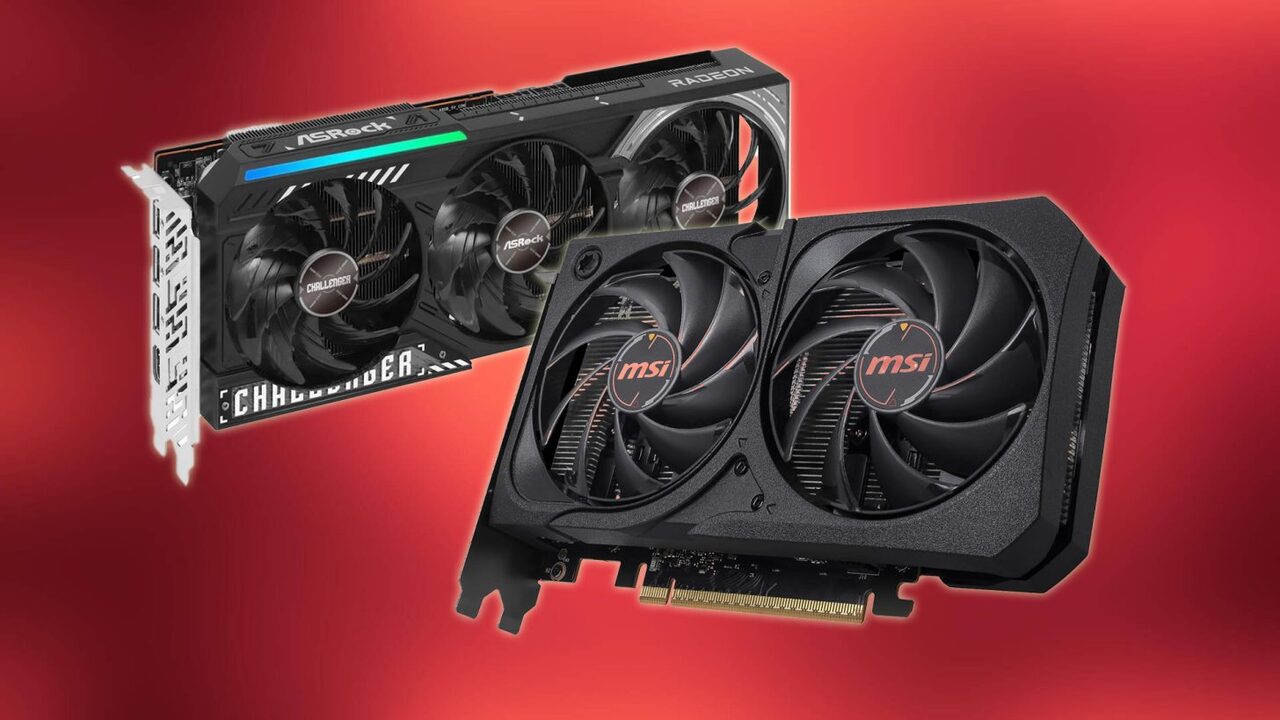
At the heart of this price increase decision is the deepening global DRAM supply crisis and the resulting skyrocketing memory costs. While GPU and VRAM components constitute approximately 80% of a graphics card’s total production cost, the supply shortage, particularly in GDDR6 and GDDR7 memory modules, is completely limiting manufacturers’ room for maneuver.
On the AMD side, the limited number of RDNA 4-based products and the withdrawal of older generation cards from production lines are disrupting price balances; while on the Nvidia side, the already high starting prices of the RTX 50 series mean that future price increases will be reflected much more harshly to the end consumer. The increased cost of memory units makes it impossible for brands to maintain their current price levels.
This market contraction is not only challenging for individual users but also for sub-manufacturers who integrate graphics cards into systems. The shift in demand for GDDR7 memory towards artificial intelligence and professional graphics card segments is causing disruptions in the supply chain of gaming-class cards.
Industry analyses confirm that AIC manufacturers will directly add the increased costs to retail prices, and this situation will continue throughout 2026. This development in the hardware world is driving up system assembly costs and making access to quality hardware more difficult than in recent years.