

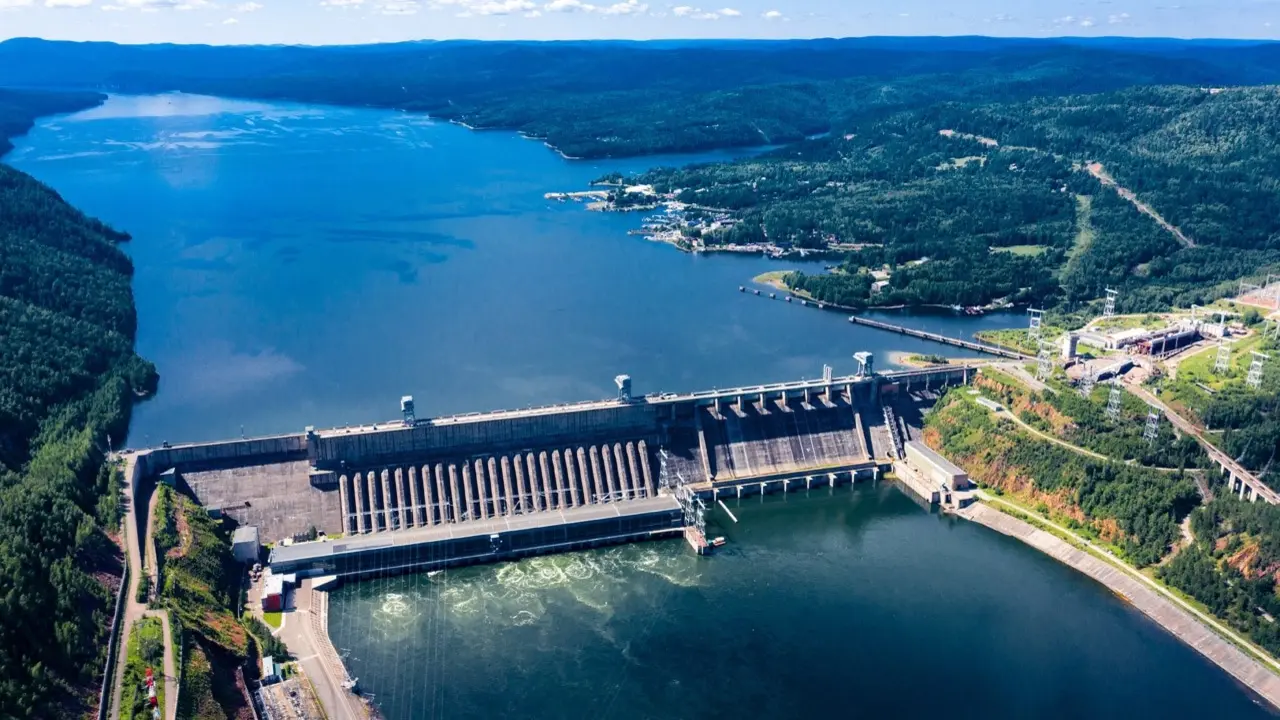
China has begun construction of the world’s largest hydroelectric power plant on the Yarlung Tsangpo River in southeastern Tibet. The groundbreaking ceremony for the project was held in Nyingchi City on July 19, 2025.
The world’s largest hydroelectric power plant is under construction
The project, announced by Prime Minister Li Qiang, will reach an installed capacity of 60 gigawatts (GW) upon completion and generate 300 billion kilowatt-hours of electricity annually. This amount is three times the capacity of the Three Gorges Dam, currently the world’s largest hydroelectric power plant.
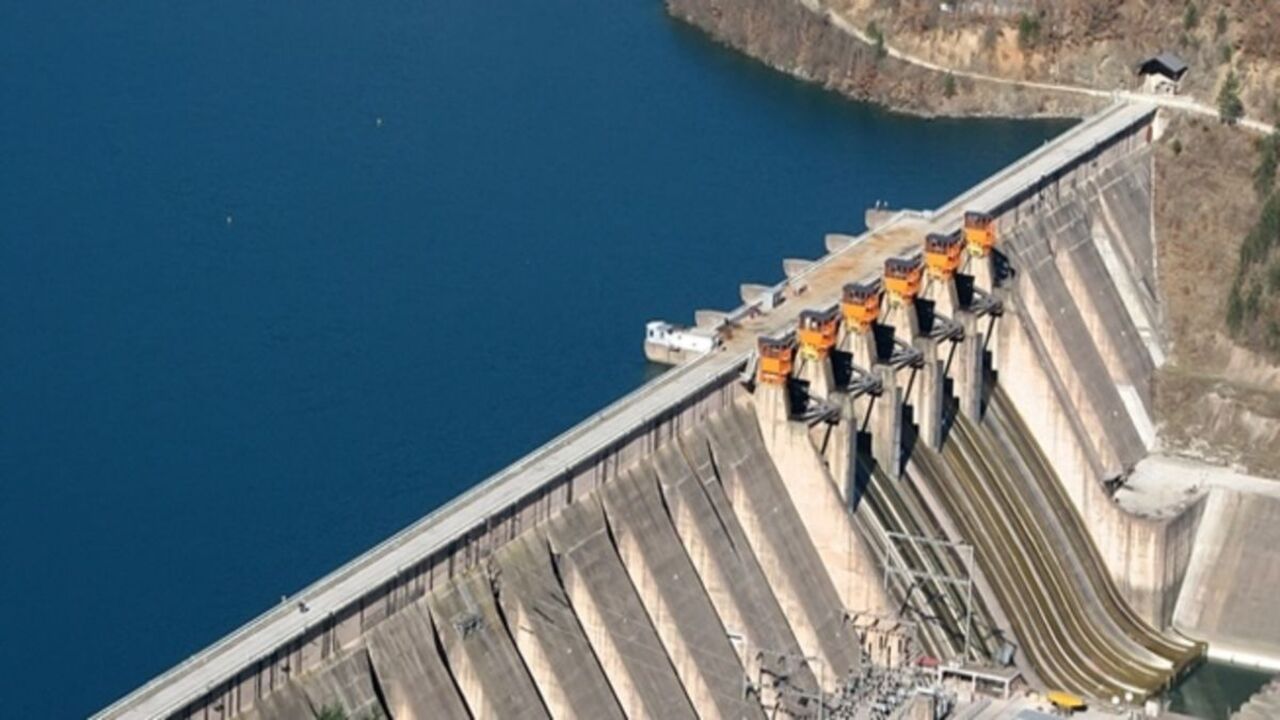
The dam is planned to consist of five separate hydroelectric units. The total investment cost is estimated to be approximately 1.2 trillion yuan ($167 billion). The project, which was proposed as part of China’s 14th Five-Year Development Plan announced in 2020, received official approval by the end of 2024.
The targeted energy capacity will be among the highest amounts of hydroelectricity a single facility can generate. By comparison, the total installed capacity of all of Turkey’s operating hydroelectric power plants is approximately 33 GW.
The Yarlung Tsangpo River, where the dam will be built, originates from the Tibetan Plateau, flows through the northeastern Indian states of Arunachal Pradesh and Assam, and becomes the Brahmaputra upon reaching Bangladesh.
Due to the river’s transboundary nature, China’s move has raised serious concerns in India and Bangladesh. Both countries have cited various risks to water security, agricultural land, ecological balance, and environmental sustainability.
The Chinese government, however, has issued statements aimed at allaying environmental and international concerns about the project. It has been stated that the dam will be used solely for electricity generation, act as a precaution against natural disasters, and contribute to regional energy cooperation. The Chinese Ministry of Foreign Affairs has also stated that the project will not be used as a tool of political pressure.
However, officials and experts in India and Bangladesh are warning that the dam could pose a threat in times of geopolitical crisis in the coming years. There is discussion of the possibility that artificially controlling the river’s flow could create effects such as drought or floods. Experts believe the river remains a vital resource, particularly for millions living in northeastern India.
Environmental organizations are also warning about the project’s potential impacts on the sensitive ecosystems of the Himalayan region. They say the habitats of animal and plant species in the region could be damaged, local populations could be forcibly evicted, and geological risks such as landslides could increase.
This project, China’s largest energy investment to date, has the potential to fundamentally alter global hydropower energy balances. However, the project is likely to remain a topic of discussion for years to come, not only for its sheer size but also for its potential political, environmental, and regional implications.