

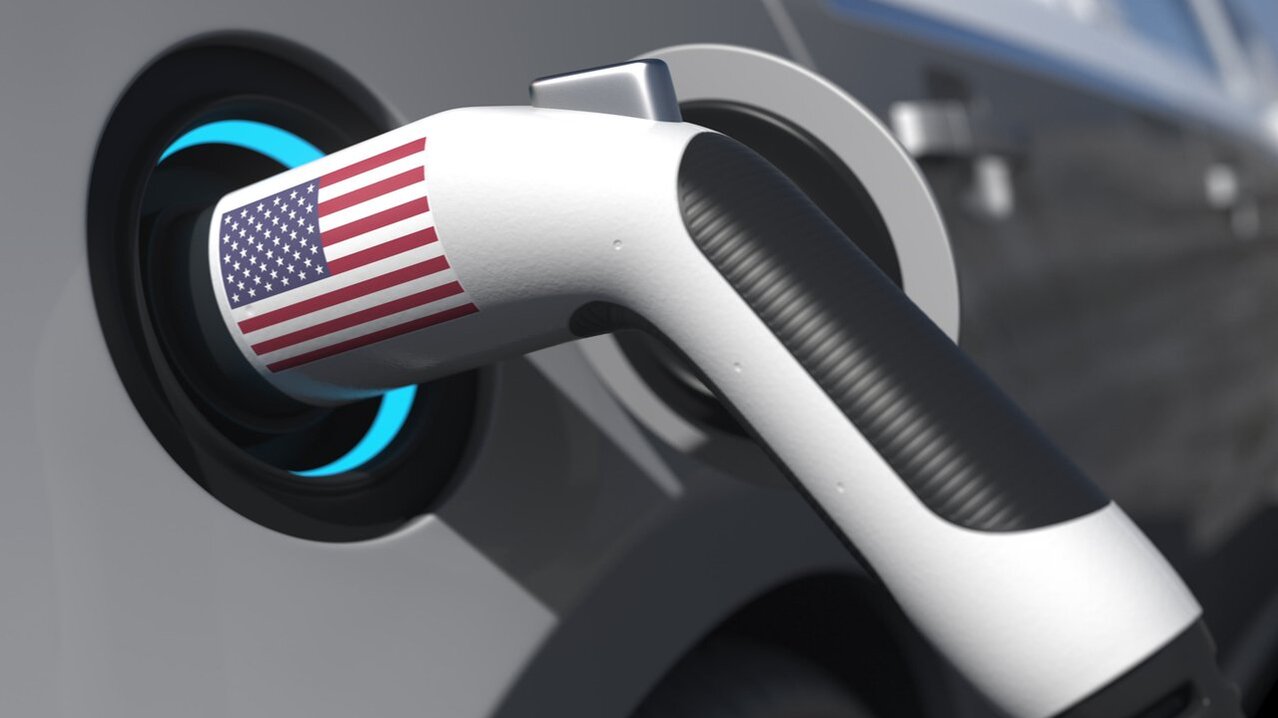
The $7,500 federal tax credit for electric vehicles in the United States expired on October 1st. Following this decision by the Trump administration, a sharp decline in electric vehicle sales is expected in the country.
Federal tax credits for electric vehicles have ended
Just before the tax credit expired, US customers turned to electric vehicles to take advantage of the last opportunity. As a result of this interest, sales nationwide reached a record 146,000 units in August.
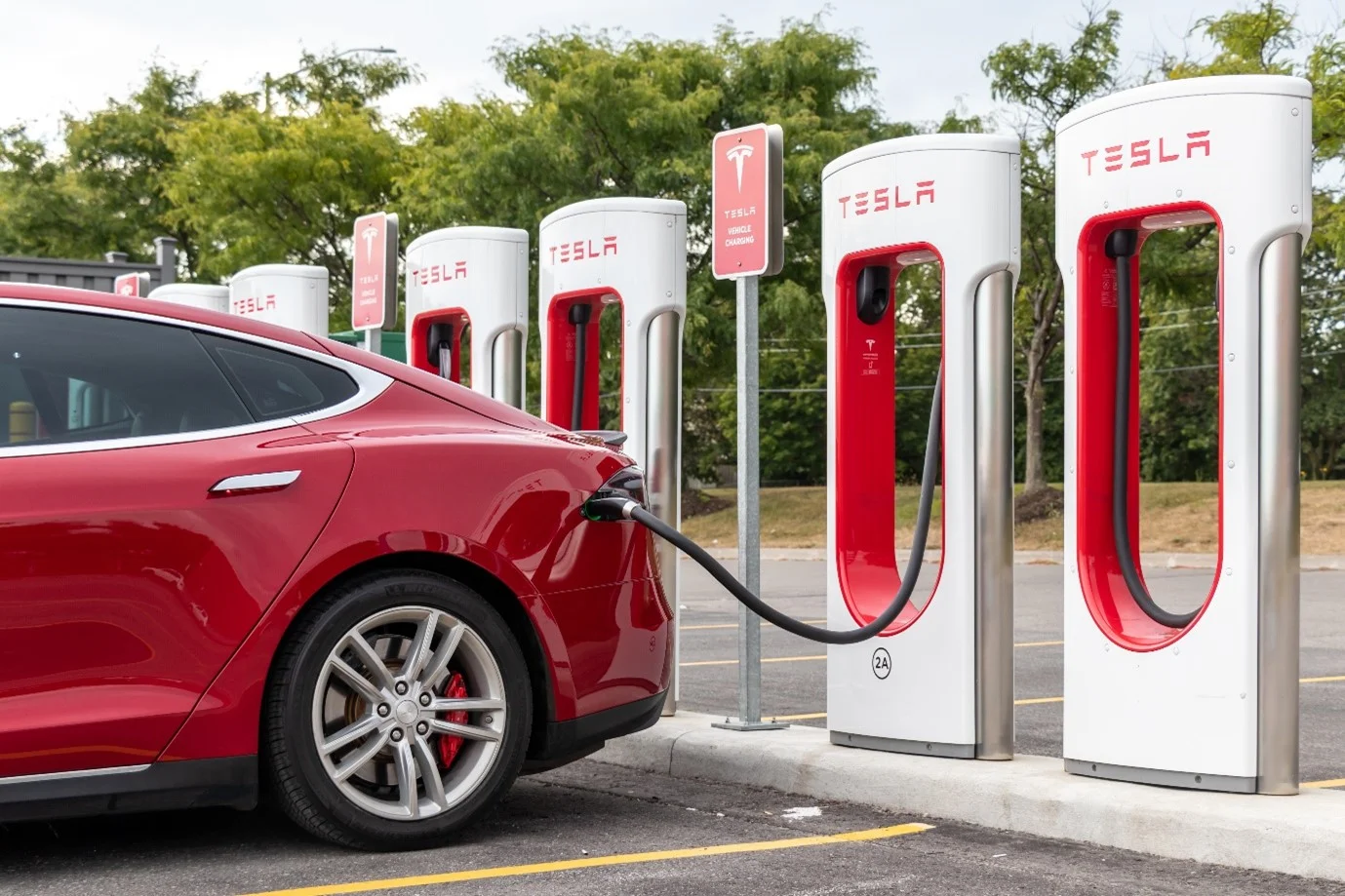
However, experts warn that sales will definitely decline in the coming months with the removal of incentives. According to a study by economists, electric vehicle sales could decline by 27 percent after these incentives are lifted. This rate is similar to the decline experienced in Germany when the incentives were canceled in 2024.
In the US, electric vehicle prices were on average $9,000 more expensive than internal combustion engine vehicles. The $7,500 incentive brought the price of electric vehicles closer to their internal combustion engine counterparts.
In fact, with discounts and promotions, the average price of electric vehicles dropped to $44,908 in July and August, even below the average price of gasoline vehicles, which was $45,521.
These subsidies for electric vehicles were first introduced in 1992 during the George H.W. Bush administration. During the Obama administration, the $7,500 credit was converted into a point-of-sale discount and continued during the Biden administration under the IRA (Inflation Control Act).
Without incentives, car brands would be forced to lower prices or offer additional promotions. Tesla and GM previously circumvented this by lowering prices when faced with a similar incentive cut in 2019. However, most manufacturers are already losing money on electric vehicles, and high taxes on imported models are exacerbating the situation.