
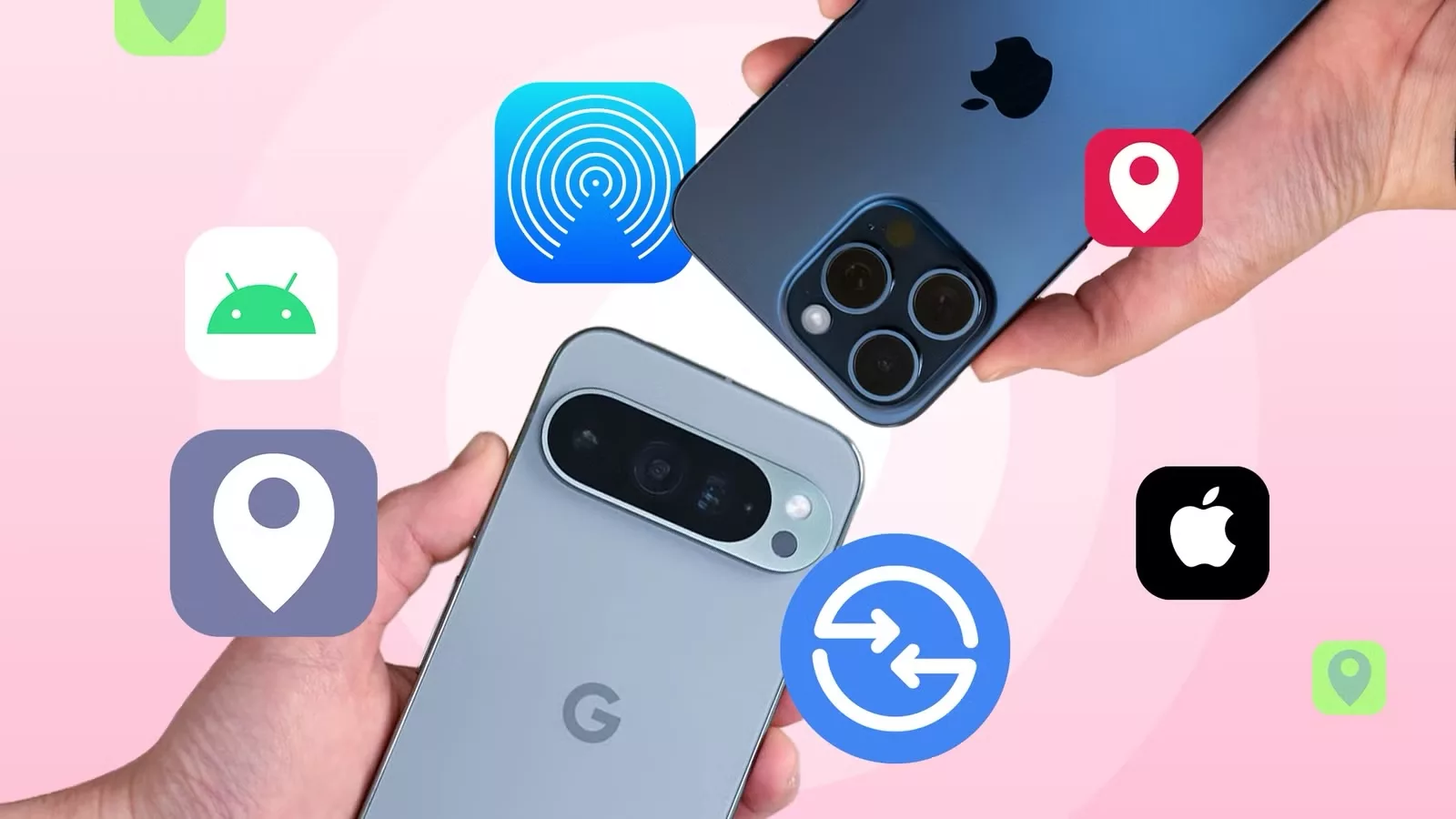
Google has launched a massive wave of updates for Quick Share, the file-sharing standard of the Android ecosystem, drawing inspiration from Apple’s AirDrop features. Gaining momentum in the first quarter of 2026, this move not only simplifies sharing between Android devices but also puts an end to the long-standing “Android-to-iPhone file transfer” struggle.
The Era of “Tap to Share”
Google is deploying a direct competitor to Apple’s NameDrop and proximity-based sharing with the new “Tap to Share” system. Surfacing in Android 17 beta and Canary builds, this feature utilizes an NFC-based pairing system for instantaneous connection.
- How It Works: By bringing two Android phones (specifically the Pixel 10 and the new Galaxy S26 series) close together at the top, the devices pair instantly via NFC.
- Speed and Efficiency: While the handshake is managed by NFC, the actual file transfer occurs in the background via Wi-Fi Direct. This allows gigabytes of 4K video to be transferred to the recipient in seconds.
- A Nostalgic Return: Tech enthusiasts view this as a modern, ultra-fast reincarnation of “Android Beam,” which existed in the early years of Android but was shelved due to slow speeds.
Native AirDrop Support from Android to iPhone
The most groundbreaking development is that Quick Share can now “speak” directly to Apple devices. This journey, which began with the Pixel 10 series in November 2025, is expanding as of March 2026.
Android users no longer need third-party apps, messaging platforms, or cloud links to send photos to an iPhone. Nearby iPhone, iPad, and Mac devices now appear directly within the Quick Share menu. Following Google’s lead, Samsung has joined the fray; with the latest update, Galaxy S26 users can activate the “Share with Apple Devices” option under Quick Share settings to utilize the AirDrop protocol directly.
Security Protocol: Google achieved this integration through reverse engineering of the AirDrop communication language. All connections remain end-to-end encrypted, and every transfer requires explicit approval from the recipient.
Security Update: Restricting “Everyone” Mode
Following in AirDrop’s footsteps, Google has implemented a key security update for visibility settings. The “Everyone” mode, which could previously be left on indefinitely, is now restricted to 10 minutes. After this window, the device automatically reverts to “Contacts Only” to prevent spam or malicious file requests in crowded public spaces like airports or public transport.
Which Devices Are Supported?
As of March 31, 2026, native AirDrop compatibility is active on the following:
- Google: Pixel 10 and Pixel 9 series (via the March 2026 update).
- Samsung: Galaxy S26 series (Currently live in Europe and India; other regions pending).
- Others: Since Google is offering the Quick Share Extension as a standalone APK via the Play Store, many modern devices running Android 15 and above are expected to receive this support soon.
This cross-platform bridge marks one of the most significant shifts in mobile interoperability in a decade. Will this native sharing support influence your next smartphone purchase, or do you believe the ecosystems should remain distinct? Share your thoughts in the comments
Would you like me to research the maximum transfer speeds recorded between a Pixel 10 and an iPhone 17 Pro or look for a guide on how to enable the Quick Share Extension on older Android models?