
Togg T10X Shifts to LFP Battery Technology for Efficiency

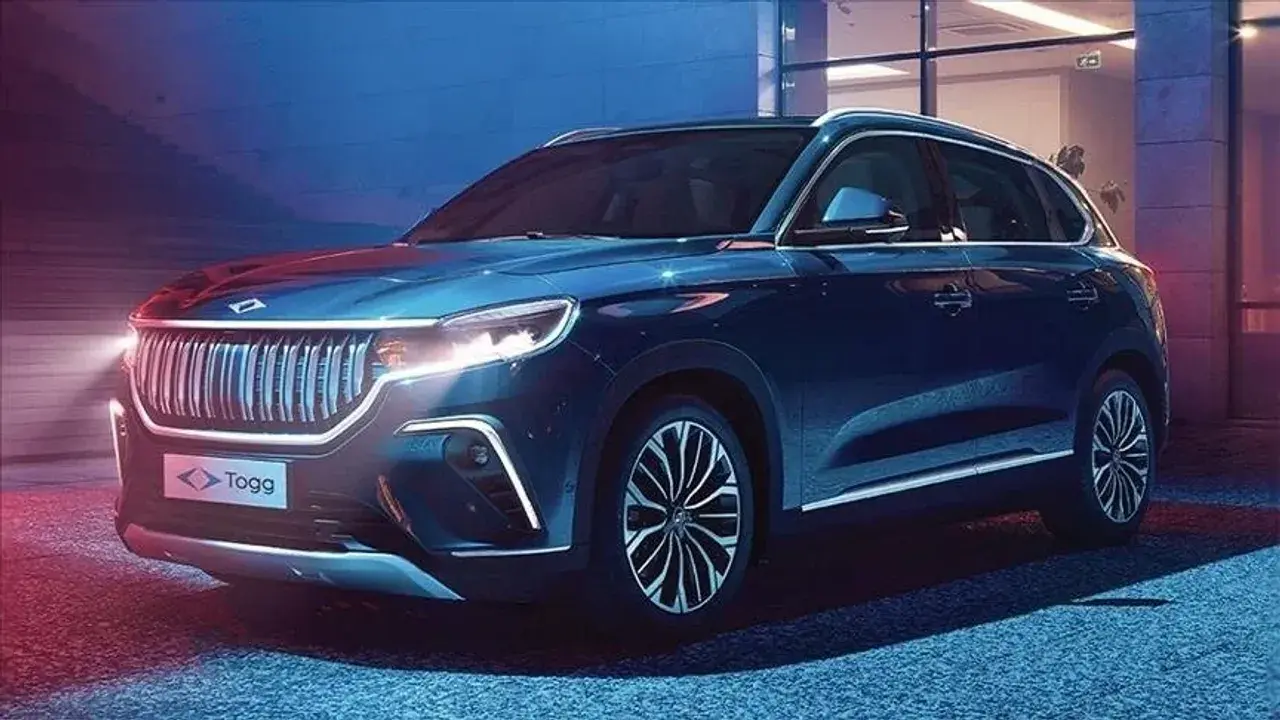
Turkey’s national electric vehicle manufacturer, Togg, has officially transitioned to LFP (Lithium Iron Phosphate) battery technology for its latest long-range T10X models. This strategic shift, announced this week, marks a significant milestone in the company’s efforts to optimize production costs and enhance the global competitiveness of its flagship electric SUV. By moving away from NMC (Nickel Manganese Cobalt) chemistry, Togg aims to balance performance with increased battery longevity. This technical update, which brings a new 89.6 kWh battery capacity, is set to influence the local electric vehicle market dynamics as the brand prepares for further international expansion.
- The Togg T10X now features an 89.6 kWh LFP battery pack to enhance long-term durability.
- Production costs decrease significantly due to the adoption of more affordable LFP battery chemistry.
- Charging performance improves as the fast-charging duration drops from 28 minutes to 26.5 minutes.
- Daily usability increases because LFP batteries allow for consistent 100 percent charging without compromising cell health.
LFP Batteries Offer Significant Advantages for Togg
In the rapidly evolving electric vehicle sector, the choice of battery chemistry defines both the price point and the user experience. Previously, Togg utilized NMC batteries, which are favored for their high energy density. However, industry leaders like Tesla and BYD have demonstrated that LFP technology provides a superior balance of safety and cost-effectiveness for mainstream vehicles.
The transition to LFP chemistry significantly lowers manufacturing costs and improves safety standards against thermal risks.
Beyond the economic benefits, LFP batteries are renowned for their thermal stability, reducing the risk of fire and providing a safer operating profile. These batteries also exhibit a longer cycle life, meaning they can endure thousands of charge cycles without substantial degradation in performance, providing long-term value to owners.
Technical Specifications Reflect Updated Performance Metrics
Integrating LFP technology requires adjustments to vehicle architecture due to the nature of the cells. Because LFP batteries have a lower energy density compared to NMC, more cells are required to store the same amount of energy, leading to a slight increase in vehicle weight. Togg engineers addressed this by upgrading the capacity to 89.6 kWh to maintain the vehicle’s established range. 
This hardware adjustment results in a marginal change in acceleration, with the 0-100 km/h time shifting from 7.8 seconds to 8.0 seconds. While technically detectable in testing, this change remains negligible for typical daily driving. The focus remains on providing a reliable, long-lasting platform for Togg users.
Charging Curves Show Notable Improvements
One of the most meaningful benefits for the end-user is the refinement of the charging curve. Despite the increase in total capacity, the T10X now achieves a full charge faster than its predecessor. Reducing the high-speed DC charging time to 26.5 minutes indicates that the new battery management system is more efficient at handling thermal loads during high-power intake.
Optimized heat management allows the battery to maintain peak charging speeds for a longer duration.
This improvement demonstrates that Togg’s engineering team has successfully maximized the potential of the new battery architecture. Enhanced thermal management ensures that the vehicle spends less time at charging stations, facilitating longer trips with shorter intervals between sessions.
The move to LFP also simplifies battery maintenance for owners. Unlike NMC batteries, which are often limited to an 80 percent charge for daily usage to prolong lifespan, LFP batteries perform optimally when charged to 100 percent. This change removes the anxiety associated with battery health management and provides users with the full range of their vehicle for every journey.
What are your thoughts on Togg’s decision to prioritize battery longevity and cost-efficiency with the new LFP technology? Share your insights on how this change might affect your charging habits in the comments section below.
Your comment has been submitted,
it will be published after approval.