
Top Best Car Cover Recommendations for All Weather Conditions

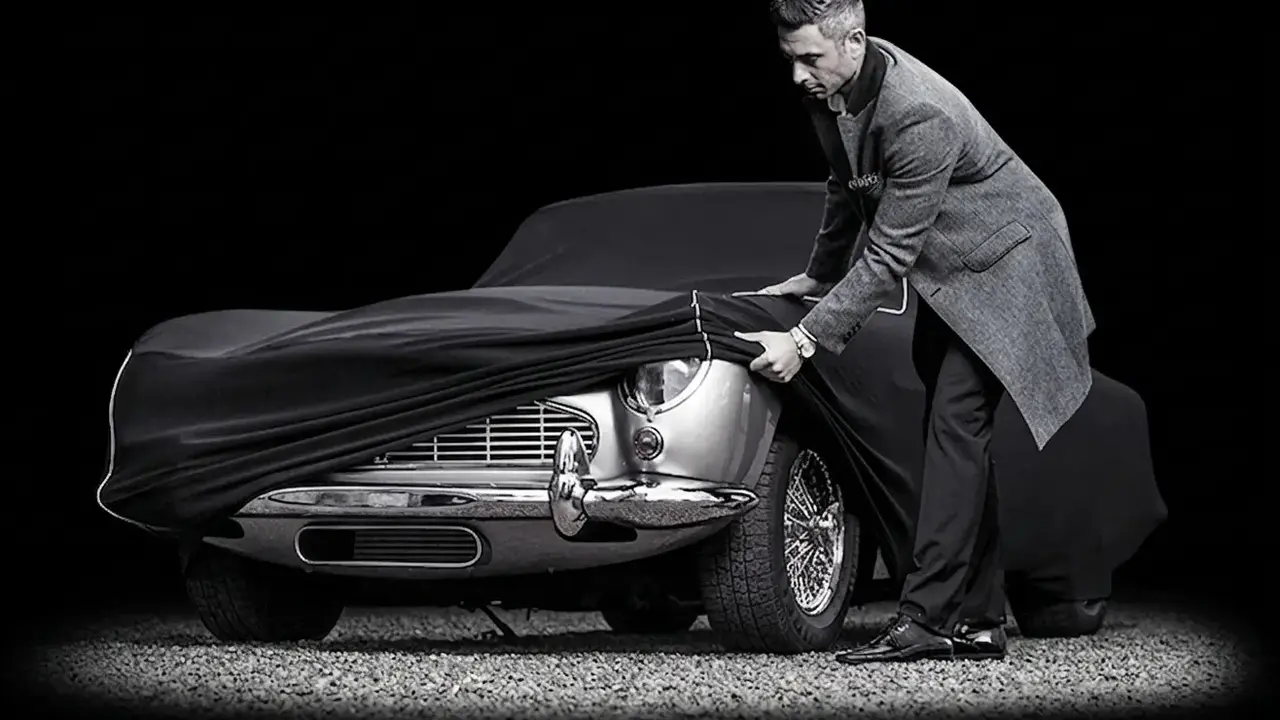
Protecting your vehicle from harsh environmental elements is essential for maintaining its aesthetic and structural integrity over time. Whether dealing with torrential rain, heavy snowfall, intense UV rays, or bird droppings, selecting the best car cover is a critical decision for any car owner. By choosing a high-quality protective shield, you can significantly extend the lifespan of your vehicle’s paintwork and interior. This guide explores the essential factors to consider when purchasing an automotive cover, ensuring your investment remains safe regardless of the climate conditions or parking location you face throughout the year.
- High-quality car covers protect vehicles from UV radiation, precipitation, and abrasive environmental debris.
- Selecting a cover with a soft interior lining prevents micro-scratches on the vehicle’s clear coat.
- UV-resistant materials are mandatory for vehicles parked in areas with high solar intensity to prevent paint fading.
- Proper installation and the use of secure fastening straps ensure the cover remains effective during high-wind conditions.
The Best Car Cover Selection Depends on Environmental Factors
Determining the best car cover requires a deep understanding of your specific local climate. A one-size-fits-all approach rarely succeeds in automotive protection. For vehicles parked outdoors for extended periods, the primary concern is the selection of waterproof, breathable, and UV-resistant materials. These features work in tandem to block moisture while allowing trapped humidity to escape, which prevents the formation of mold or rust beneath the fabric.
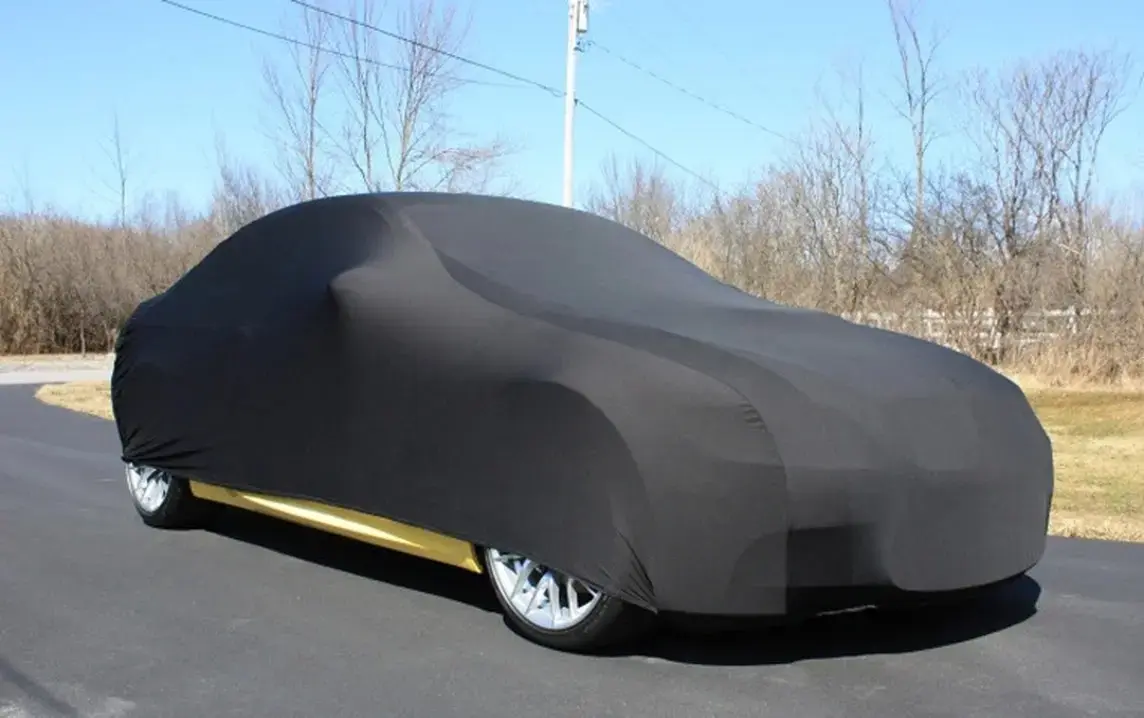
Material quality also plays a pivotal role in paint preservation. While some covers are constructed from durable, rigid materials, these can sometimes cause hairline scratches on the vehicle’s surface during installation or removal. Prioritizing products with soft, non-abrasive interior linings is a recommended practice for owners who are meticulous about their car’s exterior finish. By minimizing friction, you ensure that the protective layer does not become a source of damage itself.
Car Covers Require Proper Usage to Protect Paintwork
A common concern among enthusiasts is whether using a protective sheet causes damage to the vehicle’s paint. When a high-quality, weather-appropriate cover is used correctly, it poses no threat to the finish. However, the condition of the car before application is paramount. If the vehicle is covered while dusty or covered in loose grit, these particles can act as an abrasive agent, grinding against the paint as the cover shifts in the wind. Therefore, ensuring the vehicle is clean before covering it is a necessary maintenance step.
Furthermore, owners must look for covers that feature integrated ventilation ports. These openings allow for consistent airflow, ensuring that condensation does not accumulate between the cover and the vehicle’s metal body. By preventing moisture entrapment, these ventilation systems mitigate the risk of long-term paint oxidation and corrosion.
UV Resistance Remains Essential for Exterior Longevity
Modern automotive covers are engineered to provide a robust defense against solar radiation. Because direct sunlight can degrade clear coats and cause plastic interior components to crack, investing in a product with certified UV protection is vital. These specialized fabrics reflect a significant portion of solar heat, keeping the cabin cooler and preserving the vibrant color of the exterior paint. For those living in regions with high solar exposure, opting for a reflective, UV-shielded cover is a practical solution that offers both immediate thermal benefits and long-term financial savings on paint restoration.
Have you had a positive experience with a specific brand or type of car cover in your local climate? Please share your personal recommendations and tips for maintaining your vehicle’s exterior in the comments section below.
Your comment has been submitted,
it will be published after approval.