


Automotive giant Toyota has made a significant decision regarding its vehicle model changeover processes, following a general trend in the industry. By switching to software-defined vehicles (SDVs) for the upcoming season, the company is extending the average lifespan of its flagship models to nine years.
Toyota to Extend Model Changeover Period
This move represents a departure from the five-year lifecycle and comprehensive mid-cycle facelift strategies employed by many automakers. Toyota’s previous seven-year update schedule for the RAV4 and the extended update schedule for the 12th-generation Corolla signaled the first signs of this shift.
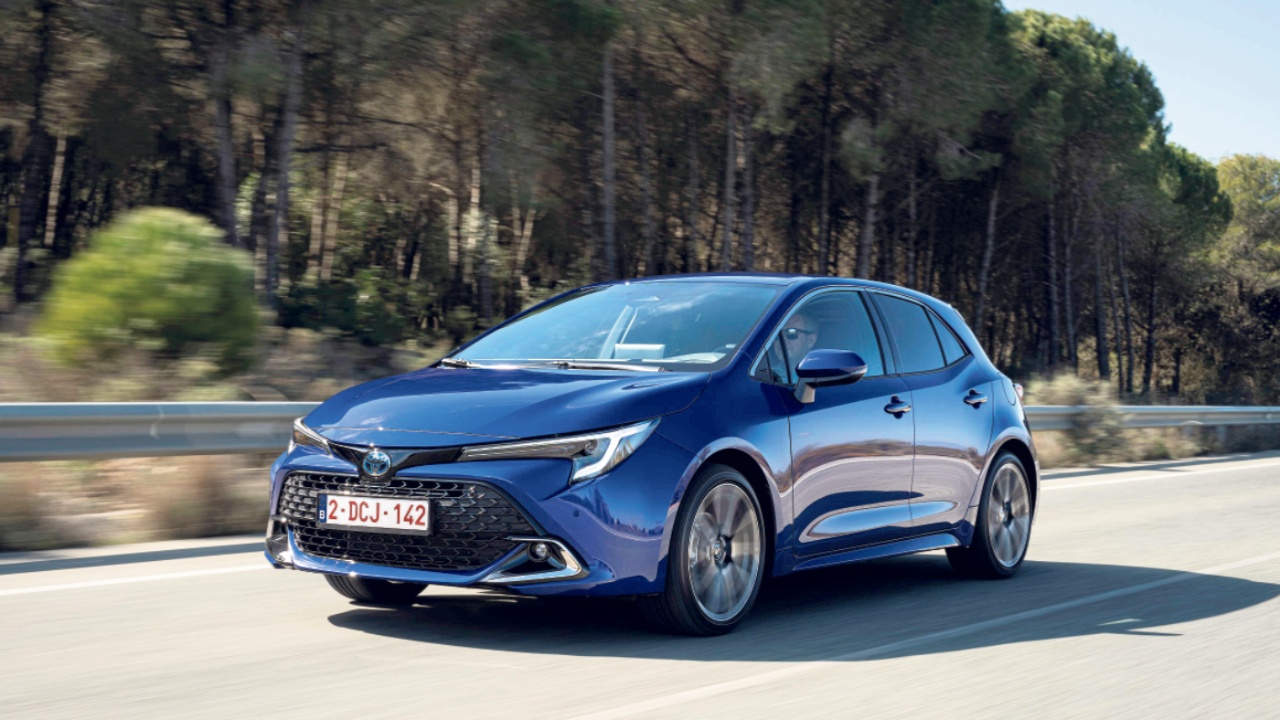
According to information in Nikkei Asia, Toyota will no longer maintain its model’s current status through major hardware changes, but rather through over-the-air (OTA) software updates. This new approach offers the brand a number of advantages. Sales figures will be more stable, pricing flexibility will increase, and model availability will be maintained for longer periods.
Additionally, due to fewer visible exterior design changes, the distinction between new and old models will be less visible, helping to preserve the resale value of vehicles for longer.
However, this change also brings with it some new debates in the industry. As seen in the Tesla example, software-defined vehicles are vulnerable to a variety of software bugs, from system freezes to major data leaks. In such cases, users are forced to wait for a patch from the manufacturer.
On the other hand, OTA updates also allow brands to offer certain in-car features through subscriptions. This means that owners may be forced to pay monthly for vehicle usage, much like a phone line or streaming platform.
At a time when major brands like Toyota, Ford, and Chevrolet are turning to SDVs to reduce production costs and extend model life, this new technology, which offers a flexible infrastructure, is also bringing new subscription models.