
Trump Administration Supports OpenAI in Artificial Intelligence Lawsuits

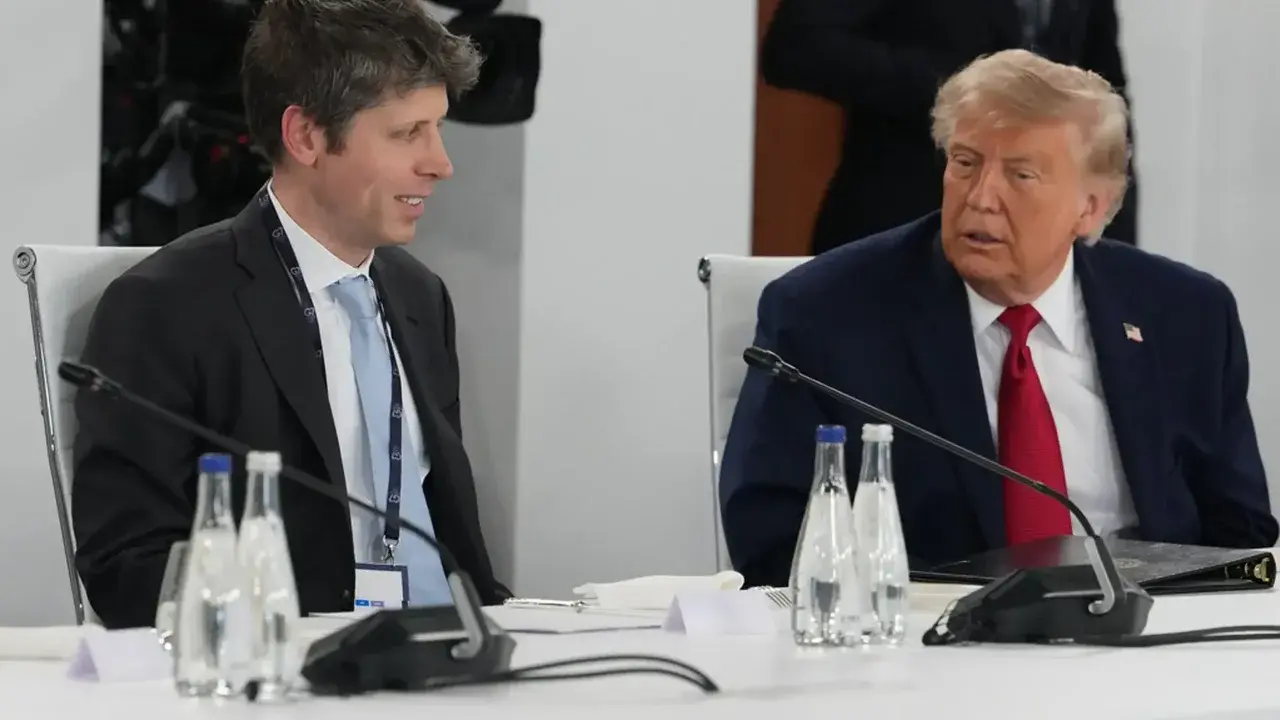
The Trump administration has officially intervened in ongoing legal battles between major news organizations and OpenAI, firmly siding with the ChatGPT developer regarding copyright disputes. In a filing submitted to the U.S. District Court for the Southern District of New York, the government argued that utilizing copyrighted publisher content to train artificial intelligence models qualifies as fair use. This stance directly impacts high-profile litigation brought by entities such as The New York Times and Ziff Davis, the parent company of CNET, which claim their intellectual property was exploited without compensation.
- The U.S. government maintains that training AI models on public data qualifies as fair use to ensure national competitive advantages.
- Federal authorities warned that restrictive licensing requirements could allow media corporations to establish an anti-competitive oligopoly.
- Industry leaders like The New York Times argue that the current policy prioritizes tech giants over the rights of human creators.
Federal Authorities Explain Their Legal Reasoning
The federal government emphasized that placing overly stringent legal constraints on the development of generative AI could pose significant risks to national security. According to the filing, hindering the progress of domestic artificial intelligence technology might provide an unfair advantage to foreign competitors, ultimately weakening the United States’ position in the global digital economy. The administration expressed concern that if publishers were granted veto power over training datasets, it would effectively serve as a massive subsidy for traditional media companies while stifling innovation.
Furthermore, the government suggested that the rise of large language models (LLMs) serves as a catalyst for healthy competition against established media giants. By allowing AI to offer diverse perspectives and facilitate creative tasks for independent writers, the technology democratizes information access. The administration views these developments as a net positive for public interest, provided that the legal framework does not solidify into a restrictive monopoly that limits the evolution of new tools.
Publishers Express Deep Concerns Over Intellectual Property
Representatives for the media industry have responded with sharp criticism regarding the government’s intervention. Graham James, a spokesperson for The New York Times, stated that the administration is prioritizing trillion-dollar technology firms at the expense of American journalists and creators. He argued that this approach fails to recognize the necessity of sustainable human-generated content, which remains the cornerstone of a well-informed society. According to the publishers, developers should reach fair compensation agreements to ensure that high-quality journalism remains viable in the age of automation.
Legal Battles Continue to Shape Future Regulations
The legal landscape remains complicated as various stakeholders pursue justice through the courts. Ziff Davis launched its lawsuit in 2025, alleging that OpenAI systematically violated copyright protections during the training of its systems. Similarly, The New York Times initiated its case in late 2023, claiming that millions of their articles were repurposed without permission. The list of plaintiffs continues to grow, including prominent figures such as author George R.R. Martin, who allege unauthorized use of their creative works. While companies like Anthropic have moved to settle similar claims for $1.5 billion, the broader dispute over training methodologies remains unresolved as OpenAI denies all allegations of wrongdoing.
The debate over whether training AI on copyrighted material constitutes fair use is far from settled. Do you believe that AI companies should be required to pay for the content they use to learn, or do you think such regulations would hinder technological progress? Share your thoughts in the comments section below.
Your comment has been submitted,
it will be published after approval.