

Donald Trump’s re-election as US president has officially launched the anticipated crisis for electric car manufacturers. Eight months after the Trump administration took office, the effects on the sector are becoming clearly felt.
Donald Trump also hit the electric vehicle sector
The most significant of these impacts was the removal of federal electric car incentives. Electric vehicle sales, long supported by tax credits and credits of up to $7,500, will lose this support starting in September.
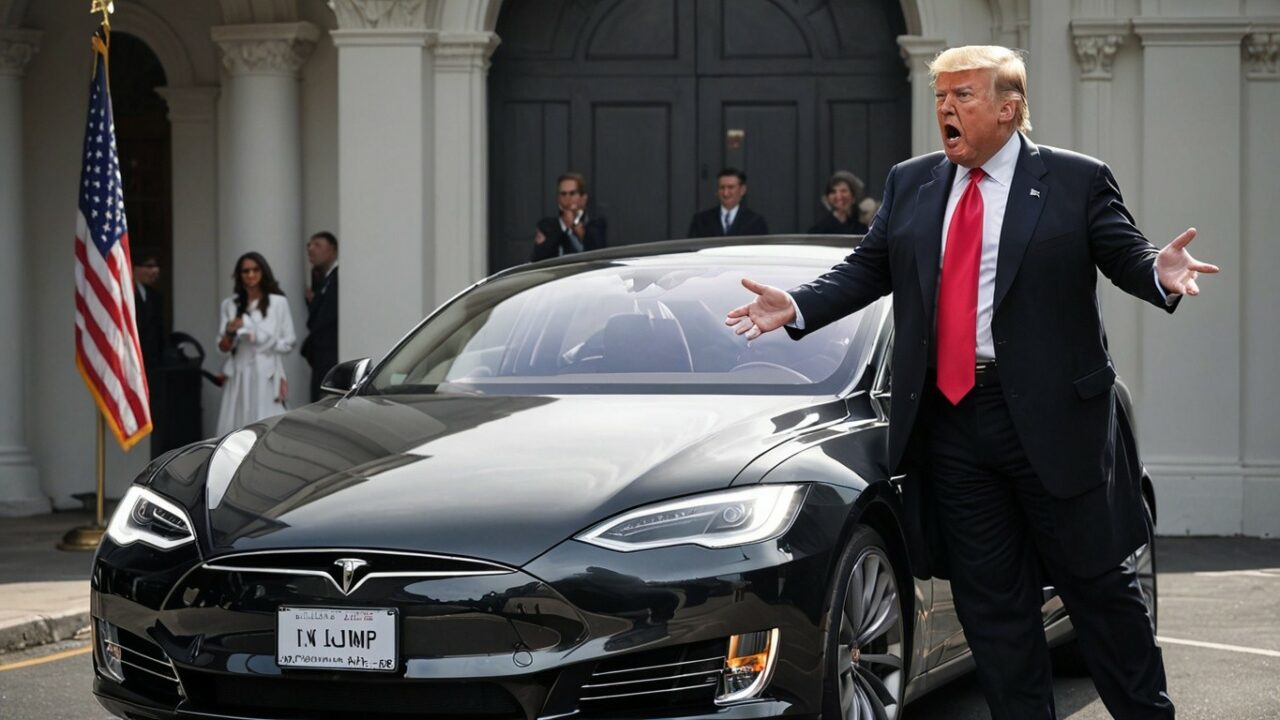
Trump described these incentives as “a system that forces people to buy cars that no one wants.” Last month, he signed an executive order completely repealing this policy. It is anticipated that consumer interest in electric vehicles will decline sharply once the purchase incentive is removed.
A report prepared by Professor Jesse Jenkins of Princeton University revealed that the number of electric cars expected to be sold in the US over the next five years has decreased by 8.3 million. This means the market will shrink by almost one-fifth.
A temporary increase in sales is expected in August. This is because many consumers are opting to purchase vehicles before incentives are fully lifted. However, it seems inevitable that these purchases will be replaced by a severe recession after September.
In a market without incentives, the price advantage of electric cars will largely disappear. This will further strain manufacturers already operating with low profit margins. Companies will be forced to extend production at a loss.
While the outlook for electric cars in the US is negative, the global trend is moving in a different direction. According to data from Cox Automotive, global electric vehicle sales will increase by 28% by 2025. In markets like China, Europe, and South Korea, the transition to these vehicles has accelerated due to government incentives and emissions regulations.