

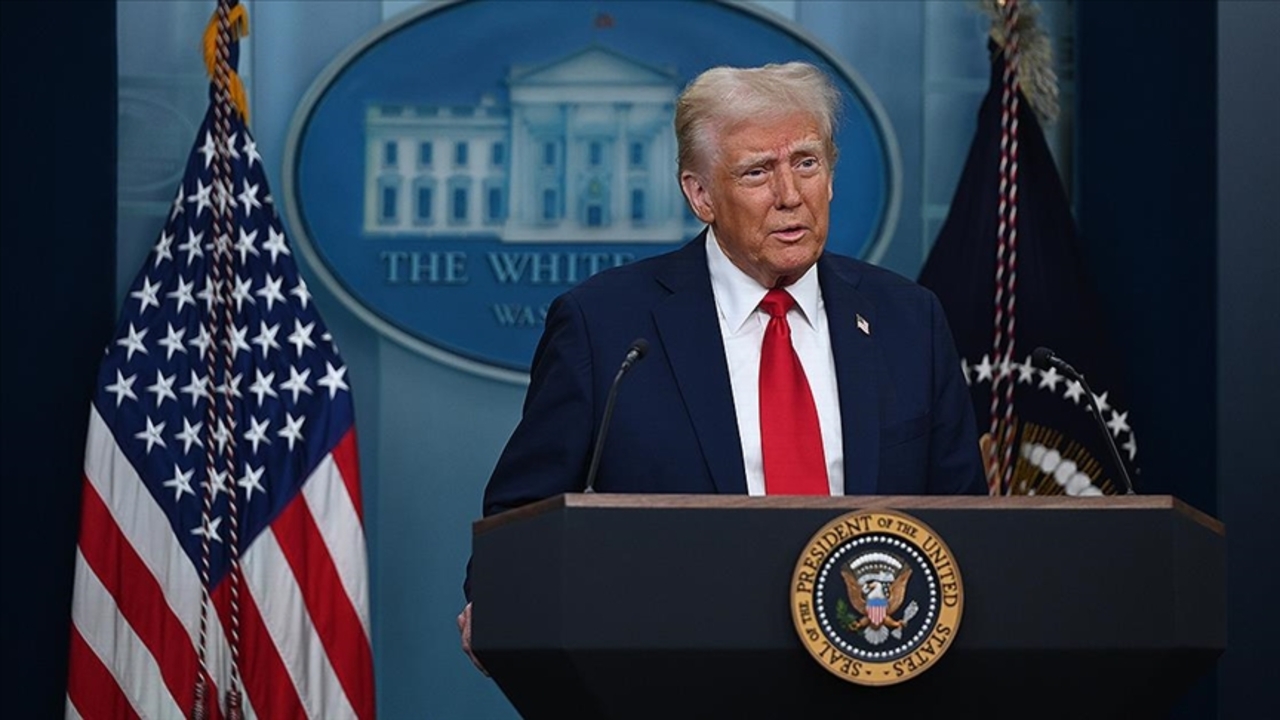
Donald Trump’s tariffs resulted in a total loss of $12 billion in the automotive sector. According to updated data, Toyota and Volkswagen suffered the most severe consequences. Foreign automakers, particularly those exporting to the US, struggled to reflect these increased costs in their prices, directly impacting their profitability.
Trump is driving the automotive sector into crisis
The tariffs that resurfaced with Trump’s return to the presidency have severely impacted not only electric car manufacturers but also companies producing internal combustion engine vehicles. The 15% additional tariff, particularly imposed on Japanese and European manufacturers, has shifted the balance of power in the US market.
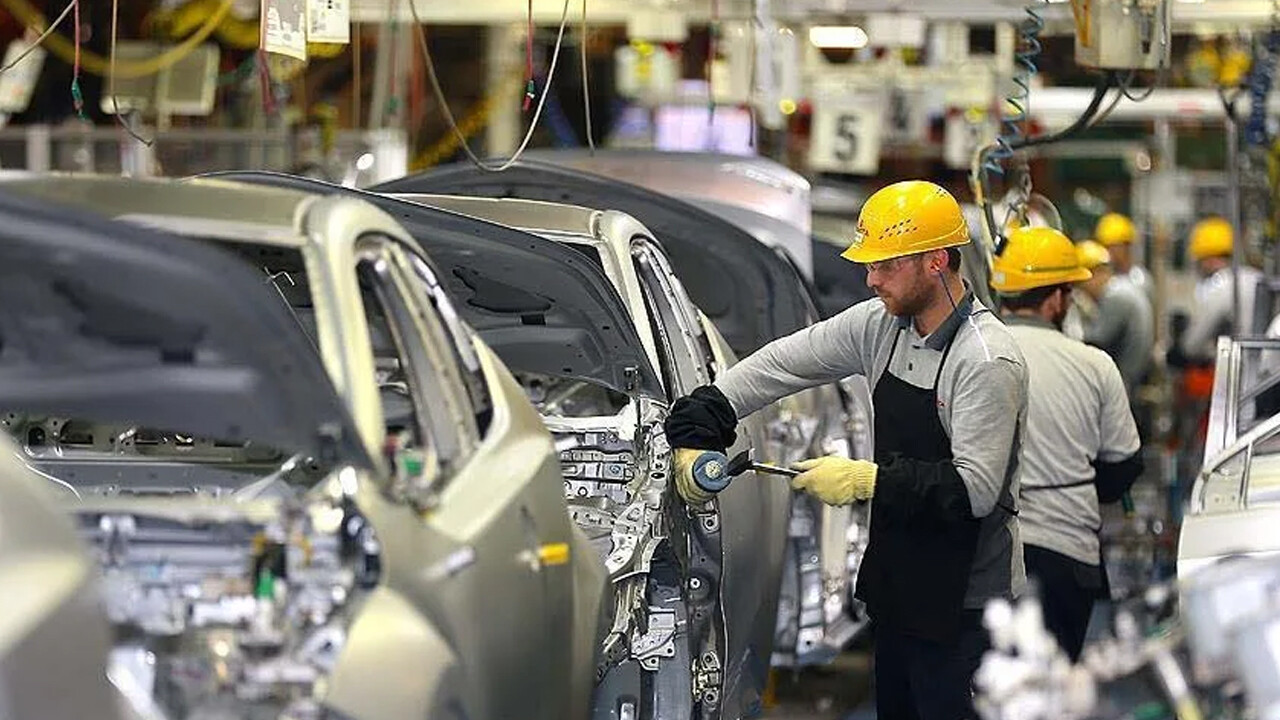
Toyota, in the face of these tariffs, chose to sell at a loss rather than increase prices to maintain its market share. While this policy increased its US sales by 6%, it resulted in a total loss of $3.06 billion. During the same period, the company’s net profit fell by 40%.
A similar picture emerged for Volkswagen. The brand’s losses due to the tariffs amounted to $1.6 billion. Both manufacturers attempted to shift production processes to the US to reduce costs, but this strategy was insufficient to offset the short-term financial losses. Brands that increased prices lost market share, while those that maintained price-fixing policies were forced to sacrifice profitability.
While major manufacturers like Toyota have the financial wherewithal to offset these losses, the same is not true for smaller Japanese manufacturers like Mazda and Subaru. These companies are reportedly struggling to survive the high tariffs. It is stated that if the tariffs remain in place, their presence in the US market could be significantly weakened.
Tariffs are used as a tool to encourage domestic production and strengthen the US economy. However, these policies also appear to have negative short-term impacts on domestic manufacturers.
General Motors reportedly suffered a loss of approximately $1.1 billion during this period. Tariffs also put cost pressure on the production and supply chains of US-based companies, ultimately driving up prices for both consumers and producers.