
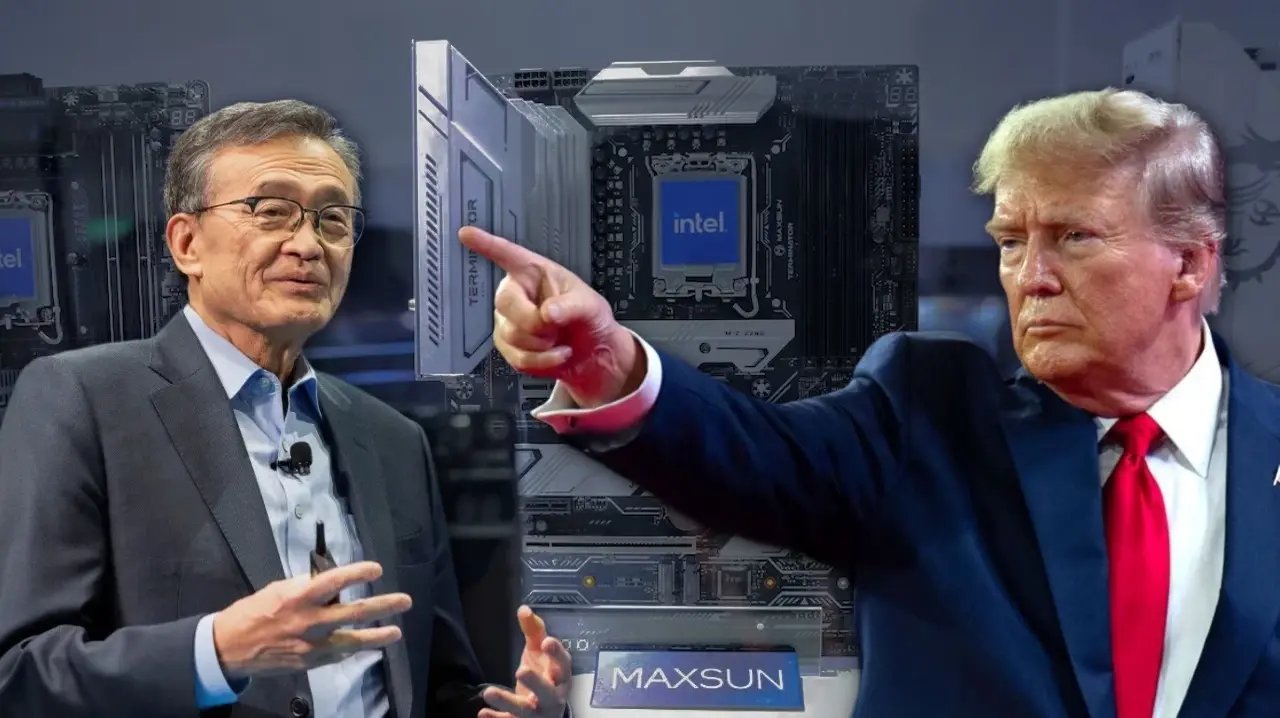
Intel CEO Lip-Bu Tan, appointed in March this year, is facing both political and legal pressure in the US. Tan’s investment history in China and the illegal export activities of his former company, Cadence Design Systems, have drawn the attention of US legislators and security circles.
Trump calls for Intel CEO’s resignation
Republican Senator Tom Cotton, in a formal letter to the Intel board, highlighted the risks Tan’s background poses to US national security. US President Donald Trump directly called for her resignation.
In a statement on his social media platform, Truth Social, Trump stated that Lip-Bu Tan’s position presents an “extreme conflict of interest” and declared, “She must resign immediately; there is no other solution.” Following these statements, Intel shares fell by as much as 5 percent in pre-trading.
Cadence Design Systems, where Tan previously served as CEO and later chairman, admitted to illegally exporting technology to China’s military-linked NUDT university. These export activities, conducted between 2015 and 2021, documented the transfer of design automation tools and semiconductor intellectual property to China. The company agreed to pay over $140 million in fines for these activities. Lip-Bu Tan was at the helm throughout this entire process.
Senator Cotton demanded that Intel management explain whether any internal investigations were conducted regarding these developments, whether Tan was aware of these activities, and why he was chosen as CEO despite this background.
Cotton also highlighted Tan’s multi-million dollar investments in advanced chip and semiconductor manufacturers in China through his investment firm, Walden International, where he remains active. He questioned the impact of these investments on his current role at Intel and the measures management has taken regarding potential conflicts of interest.
Intel’s recent tenure under Tan’s leadership has been marked not only by these investigations but also by significant financial losses. The CEO recently announced that his high-cost chip manufacturing unit suffered a $3.17 billion loss.
Following these losses, factory projects in Germany and Poland were canceled, and testing and assembly operations in Vietnam and Malaysia were consolidated. Work on a planned chip factory in Ohio, USA, was also halted. There is also the possibility that Intel’s A14 process for advanced chip production will be completely canceled.
No official charges have yet been filed against Lip-Bu Tan. However, both the US President’s direct call for his resignation and questions from the Senate have increased pressure within the company and the public over whether the CEO can remain in his position.