


In a move stirring national debate, President Donald Trump granted a full and unconditional pardon to Ross Ulbricht, the founder of the notorious dark web marketplace, Silk Road.
Ulbricht, arrested in 2013, had been serving a life sentence without the possibility of parole since 2015. Authorities convicted him on charges including drug trafficking, money laundering, and computer hacking.
Silk Road operated on the anonymous Tor network, facilitating over $200 million in illicit trade, primarily involving narcotics.
Trump announced the pardon on Truth Social
President Trump announced the pardon on his social media platform, Truth Social, fulfilling a campaign promise to libertarian supporters. He criticized Ulbricht’s sentencing as “unjust and overly harsh,” aligning with sentiments from various advocacy groups.
Ulbricht’s attorney expressed optimism about his client’s imminent release, stating, “Ross can now look forward to a second chance at life.”
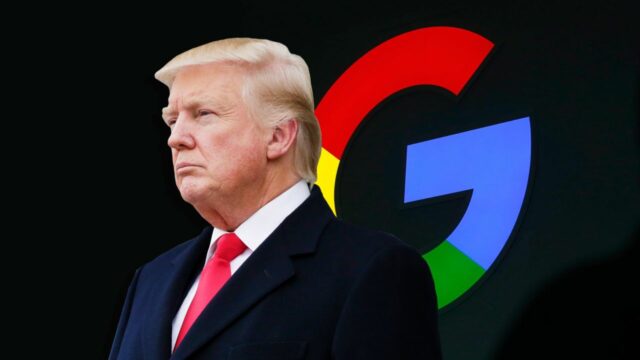
U.S. presidential candidate Donald Trump has threatened Google. So why did he do it? Here are the details...
The Libertarian Party and cryptocurrency enthusiasts have long championed Ulbricht’s cause, viewing him as a pioneer in digital currency use and a victim of government overreach.
However, law enforcement agencies and some public officials have condemned the pardon. They argue it undermines efforts to combat cybercrime and illegal online activities.
Former federal prosecutor Wendy Walters stated, “This pardon sends a troubling message to those who facilitate illegal activities online.”
During his trial, evidence suggested Ulbricht had solicited murders to protect Silk Road’s operations, though no such acts were proven to have occurred.
Pardon disregards the severity of Ulbricht’s actions
Critics argue that the pardon disregards the severity of Ulbricht’s actions and their impact on society.
Conversely, supporters believe Ulbricht’s punishment was disproportionate, especially compared to sentences of other non-violent offenders.
This pardon adds to a series of controversial clemency actions by President Trump. Notably, he recently pardoned approximately 1,500 individuals involved in the January 6 Capitol riots, a decision that has further polarized public opinion.
As Ross Ulbricht prepares to re-enter society after over a decade in prison, debates continue over the implications of his pardon. The case highlights ongoing tensions between cybersecurity enforcement and digital privacy rights.
Observers will closely watch how this decision influences future policies on cybercrime and the use of cryptocurrencies in illegal activities.
For now, Ulbricht’s release marks a significant chapter in the complex narrative of internet freedom and regulation.